Abyssinian & Somali Kidney Disease: Amyloidosis
Renal amyloidosis in senior Abyssinian and Somali cats: how it differs from ordinary kidney disease, early monitoring, key blood tests, renal diet, and costs.
The Abyssinian is one of the oldest and most athletic of cat breeds, a lithe, curious cat that stays kitten-like in spirit well into old age. Its long-haired relative, the Somali, shares the same body, temperament, and, unfortunately, the same inherited kidney concern: renal amyloidosis. For owners of an aging Abyssinian or Somali, understanding this breed-specific risk and the monitoring that catches it is one of the most valuable parts of senior care.
This guide explains what amyloidosis is, how it differs from the ordinary kidney disease so common in old cats, and how to screen for it through regular monitoring. It pairs with our broader guide to kidney disease in senior cats and our senior Abyssinian care guide. Everything here is educational and meant to complement the care of your veterinarian.
Kidney-Support Picks for Senior Abyssinians
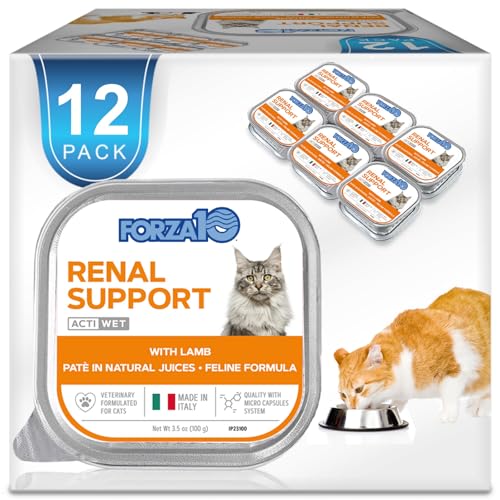
Forza10 Forza10 Renal Wet Cat Food
Vet-formulated, lower-phosphorus wet food to support kidney function.
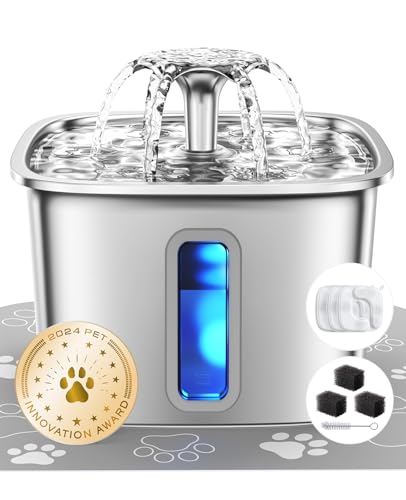
Veken Veken Stainless Steel Water Fountain
Encourages drinking to keep an athletic Abyssinian's kidneys hydrated.

Standard Process Standard Process Feline Renal Support
Whole-food supplement to support normal kidney function, used with vet guidance.
What Renal Amyloidosis Is
Amyloidosis is the buildup of an abnormal, insoluble protein called amyloid in body tissues. In Abyssinians and Somalis, the kidneys are the main target, though the liver and other organs can be involved. As amyloid accumulates in the delicate filtering structures of the kidney, it disrupts and gradually destroys them, leading to chronic kidney disease and, over time, kidney failure.
The condition runs in families within the breed, which is why it is described as familial or hereditary amyloidosis. There is no single, widely available genetic test the way there is for polycystic kidney disease in Persians, and a truly definitive diagnosis requires examining a sample of kidney tissue. In a living cat, veterinarians usually make a strong presumptive diagnosis based on the breed, the age of onset, and progressive kidney values, especially protein loss in the urine.
How Amyloidosis Differs From Typical Kidney Disease
Chronic kidney disease is one of the most common conditions in senior cats of every breed, usually arising from age-related wear. What sets amyloidosis apart is both the cause and the timing. The damage comes specifically from amyloid deposits rather than general aging, and it tends to strike earlier, sometimes in young adulthood or early middle age rather than the typical senior window.
That earlier onset is the key practical takeaway. With most cats you might not think about kidneys until they are well into their senior years, but with an Abyssinian or Somali, monitoring should start younger. The earlier you establish a baseline and track trends, the sooner you can act when values begin to drift. The disease can also progress somewhat faster than ordinary kidney disease, which makes that head start all the more important.
Haven Pet Insurance for Senior Cats.Coverage for accidents, illness, and the chronic conditions that drive the biggest senior-cat vet bills (kidney disease, hyperthyroidism, diabetes). Get a fast, free quote using your cat’s breed, age, and zip, then see your monthly premium before you commit.Sponsored
Screening Through Regular Monitoring
Without a routine gene test, screening for amyloidosis means watching kidney function closely over time. Build a habit of regular surveillance for your Abyssinian or Somali.
- Baseline early: establish bloodwork and urine values in young adulthood, given the breed's earlier risk.
- Bloodwork and urinalysis at least yearly, every six months once any change appears.
- Track the right markers: creatinine, BUN, the sensitive SDMA value, phosphorus, potassium, and urine concentration.
- Watch urine protein, which is especially relevant in amyloidosis as the filtering barrier breaks down.
- Check blood pressure, since hypertension both results from and worsens kidney disease.
At home, watch for increased thirst and urination, weight loss, reduced appetite, a dull coat, vomiting, and lethargy. Because Abyssinians are normally so energetic, any dip in activity or appetite is a meaningful early clue. Our guide to an old cat drinking lots of water covers one of the first signs.
Senior Cat Wellness & Care Planner
Track your aging cat's health, meds, vet visits, mobility, nutrition, and quality of life, all in one printable planner.
Slowing Progression With Diet and Care
Once chronic kidney disease is diagnosed, the foundation of care is a therapeutic renal diet, lower in phosphorus with carefully controlled, high-quality protein. These diets reduce the workload on damaged kidneys and help manage the phosphorus that drives decline, and wet formulas boost hydration at the same time. Your veterinarian times the switch to your cat's stage.
Beyond diet, treatment may include phosphate binders, potassium supplementation if levels drop, blood pressure medication, and, in later stages, subcutaneous fluids given at home to combat dehydration. A water fountain encourages an athletic Abyssinian to drink more. None of this cures amyloidosis, but together these measures can preserve quality of life and add comfortable months or years, which is exactly why breed-aware early monitoring pays off.
Living Well With an At-Risk Breed
An Abyssinian or Somali with a family history of amyloidosis can still enjoy a full, active life, particularly when you partner with your veterinarian on early, consistent monitoring. Keep your cat at a healthy weight, support hydration with wet food and fresh water, and keep up the regular bloodwork that turns a hidden hereditary risk into a tracked, managed condition. For the wider picture of feline aging in this breed, see our senior Abyssinian care guide.
Related Senior Cat Guides
- Kidney Disease in Senior Cats - The full picture of feline CKD, staging, and care.
- Senior Abyssinian Cat Care Guide - Activity, dental, anemia, and daily care.
- Old Cat Drinking Lots of Water - One of the first signs of kidney trouble.
- Old Cat Losing Weight - A quiet but important clue in senior cats.
- All Breed-Specific Senior Cat Guides - Care tailored to your cat's breed.
Pet Insurance · Sponsored
Protect Your Senior Cat From Surprise Vet Bills
Older cats are more prone to kidney, dental, and thyroid trouble, and a single emergency visit can run into the hundreds or thousands. Pet insurance can help you say yes to the care your cat needs without draining your savings. Get a free quote and see what coverage fits.
Frequently Asked Questions
What is renal amyloidosis in Abyssinian and Somali cats?
Renal amyloidosis is an inherited condition in which an abnormal protein called amyloid is deposited in the kidneys, and sometimes other organs. The deposits gradually damage the kidney's filtering structures, leading to chronic kidney disease and eventually kidney failure. Abyssinians and their long-haired relatives, Somalis, carry a familial predisposition to this form of amyloidosis. Unlike polycystic kidney disease in Persians, there is no single widely available DNA test, so screening relies on monitoring kidney values over time.
How is amyloidosis different from ordinary kidney disease?
The end result, chronic kidney disease, looks similar, but the underlying cause differs. In most senior cats, kidney disease comes from age-related wear or other illness. In Abyssinians and Somalis with amyloidosis, the damage comes from amyloid protein accumulating in the kidney tissue, which tends to strike at a younger age than typical feline kidney disease, sometimes in young adulthood or early middle age. Definitive diagnosis requires examining kidney tissue, so in living cats it is usually a strong presumption based on breed and progressive kidney values.
At what age should I start monitoring an Abyssinian's kidneys?
Earlier than you might expect. Because familial amyloidosis can affect Abyssinians and Somalis in young adulthood, baseline bloodwork and urine testing in early adulthood is wise, with regular rechecks through middle and old age. For any Abyssinian over about age 7, plan on bloodwork and a urinalysis at least once a year, and every six months once any kidney change appears. Catching declining values early gives you the best chance to slow progression with diet and supportive care.
What signs of kidney trouble should I watch for?
Early kidney disease is quiet. The first clues are usually increased thirst and urination, because failing kidneys lose the ability to concentrate urine. Later signs include weight loss, reduced appetite, a dull coat, vomiting, bad breath, and lethargy. In amyloidosis specifically, cats may decline somewhat faster than in typical age-related kidney disease. Because Abyssinians are athletic and energetic, any drop in activity or appetite in this breed deserves prompt veterinary attention and a kidney workup.
Which blood tests track kidney health best?
A senior kidney panel should include creatinine and BUN, the more sensitive SDMA marker that flags decline earlier, phosphorus, electrolytes like potassium, and a urinalysis that measures urine concentration and protein. Protein in the urine is particularly relevant in amyloidosis, since the disease damages the filtering barrier and lets protein leak through. Blood pressure should also be checked, because hypertension both results from and worsens kidney disease. Tracking these values over time reveals trends long before a cat looks sick.
Can diet and care slow kidney disease in an Abyssinian?
Yes. Once chronic kidney disease is diagnosed, a therapeutic renal diet, lower in phosphorus with controlled, high-quality protein, is the most evidence-backed step to slow progression. Wet formulations also boost hydration, which protects the kidneys. Depending on the case, your vet may add phosphate binders, potassium supplementation, blood pressure medication, and eventually subcutaneous fluids at home. A water fountain encourages drinking. Early detection through breed-aware monitoring lets you start all of this when it does the most good.
Is kidney care for an Abyssinian with amyloidosis expensive?
It can be. Repeated bloodwork, urinalysis, prescription renal diets, blood pressure medication, and home fluids add up across a cat's life, and amyloidosis sometimes appears earlier, meaning more years of management. Because Abyssinians and Somalis carry a known, breed-specific kidney risk, this is the kind of chronic, predictable expense pet insurance is designed for, as long as you enroll before kidney disease is diagnosed and excluded as a pre-existing condition.
Need more help with your aging cat?
Browse our guides by topic to find practical solutions.
Wellness Planner: $39