Persian & Himalayan PKD Testing in Senior Cats
Polycystic kidney disease in senior Persians and Himalayans: the PKD1 gene test, ultrasound screening, CKD progression, monitoring, renal diet, and costs.
The Persian is one of the most beloved cat breeds in the world, and one of the most predisposed to a specific inherited kidney problem: polycystic kidney disease, or PKD. The same is true for the Persian's close cousins, the Himalayan and the Exotic Shorthair, which share the breed's genetics. For owners of an aging cat in this group, understanding PKD and the screening that detects it is among the most useful things you can do for a long, comfortable life.
This guide explains how PKD is tested, why it matters as a Persian moves into its senior years, and how it connects to chronic kidney disease, the eventual concern for many affected cats. It pairs with our broader guide to kidney disease in senior cats. Everything here is educational and meant to complement the care of your veterinarian.
Kidney-Support Picks for Senior Persians

Forza10 Forza10 Renal Wet Cat Food
Vet-formulated, lower-phosphorus wet food to support kidney function.
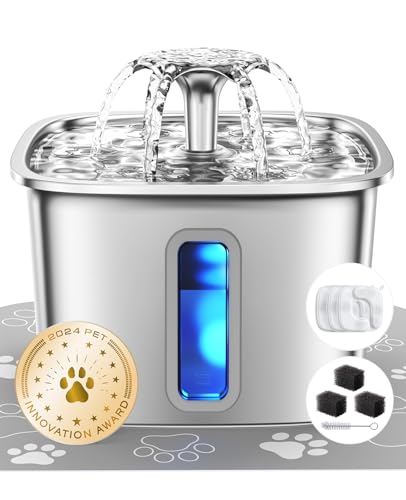
Veken Veken Stainless Steel Water Fountain
Encourages drinking to keep an aging Persian's kidneys well hydrated.

Pet Wellbeing Pet Wellbeing Kidney Support Gold
Herbal liquid blend to support normal kidney function, used with vet guidance.
Why Persians Are a PKD Breed
Polycystic kidney disease is caused by a dominant mutation in a gene called PKD1. Because the mutation is dominant, a cat needs only one copy to be affected, which is part of why the disease spread so widely through Persian bloodlines before genetic testing existed. At one point, studies estimated that a large share of Persians worldwide carried the gene. Responsible breeders now test and remove affected cats from breeding, but many pet Persians, especially older ones, were born before that became routine.
In PKD, fluid-filled cysts are present in the kidneys from birth, but they start microscopically small. Over months and years they enlarge, multiply, and gradually replace the normal filtering tissue. The kidneys slowly lose capacity, which is how PKD eventually becomes chronic kidney disease. Because the Himalayan and Exotic Shorthair descend from Persian lines, they share this elevated risk and should be screened the same way.
The Two Ways to Screen: Gene Test and Ultrasound
There are two complementary tools for detecting PKD, and they answer different questions.
The DNA test looks directly for the PKD1 mutation using a cheek swab or a small blood sample. It is definitive about whether a cat carries the inherited form, and it can identify an affected cat long before any cyst is large enough to see. This is the test breeders rely on, and it is useful for any Persian whose history is unknown.
The abdominal ultrasound, by contrast, shows the kidneys themselves. A skilled sonographer can spot cysts and gauge how numerous and large they have become, which reflects how advanced the disease is in that individual cat. Ultrasound is especially informative in an older cat, where cysts have had years to grow, and it lets the vet track changes over time. Many veterinarians use the gene test to confirm the genetic status and ultrasound to monitor the kidneys as a Persian ages.
Haven Pet Insurance for Senior Cats.Coverage for accidents, illness, and the chronic conditions that drive the biggest senior-cat vet bills (kidney disease, hyperthyroidism, diabetes). Get a fast, free quote using your cat’s breed, age, and zip, then see your monthly premium before you commit.Sponsored
From PKD to Chronic Kidney Disease
PKD matters because of where it can lead. As cysts crowd out working tissue, the kidneys filter less efficiently, and many affected Persians develop chronic kidney disease in middle to old age. CKD is staged by how much function remains, and progression varies widely from cat to cat. The encouraging news is that early detection genuinely changes the outlook.
The earliest measurable sign is often a rise in a blood marker called SDMA, which flags kidney decline sooner than the older creatinine value. The first thing you may notice at home is increased thirst and urination, because failing kidneys can no longer concentrate urine and the cat drinks more to compensate. If your senior Persian is suddenly emptying the water bowl, our guide to an old cat drinking lots of water is worth reading, and it deserves a vet visit.
Senior Cat Wellness & Care Planner
Track your aging cat's health, meds, vet visits, mobility, nutrition, and quality of life, all in one printable planner.
Monitoring a Senior Persian's Kidneys
Screening is not a one-time event. For a Persian or Himalayan over about age 8, plan on regular surveillance so that decline is caught early.
- Bloodwork and urinalysis at least yearly, every six months once any change appears, including creatinine, BUN, SDMA, phosphorus, and urine concentration.
- Blood pressure checks, since hypertension both results from and accelerates kidney disease and can threaten vision.
- Weight tracking, because gradual weight loss is an early and easily missed clue.
- Hydration support, using wet food and a water fountain to keep fluid intake up.
Watch at home for weight loss, a dull coat, reduced appetite, vomiting, bad breath, and lethargy, and report them promptly. These quiet signs of advancing CKD are covered in our guide to an old cat losing weight.
Slowing the Disease With Diet and Care
Once chronic kidney disease is diagnosed, the most evidence-backed intervention is a therapeutic renal diet. These foods are lower in phosphorus and carefully controlled in protein, which reduces the kidneys' workload and helps manage the phosphorus that drives decline. Wet renal formulas have the added benefit of boosting water intake. Your veterinarian will decide when to make the switch based on your cat's stage. Depending on the case, treatment may also include phosphate binders, blood pressure medication, and, in later stages, subcutaneous fluids given at home. A genetic head start through screening lets you put all of this in place early, which is exactly when it does the most good.
Related Senior Cat Guides
- Kidney Disease in Senior Cats - The full picture of feline CKD, staging, and care.
- Senior Persian Cat Care Guide - Coat, flat-face breathing, dental, and daily care.
- Senior Himalayan Cat Care Guide - The Persian's close relative, same PKD risk.
- Old Cat Drinking Lots of Water - One of the first signs of kidney trouble.
- All Breed-Specific Senior Cat Guides - Care tailored to your cat's breed.
Pet Insurance · Sponsored
Protect Your Senior Cat From Surprise Vet Bills
Older cats are more prone to kidney, dental, and thyroid trouble, and a single emergency visit can run into the hundreds or thousands. Pet insurance can help you say yes to the care your cat needs without draining your savings. Get a free quote and see what coverage fits.
Frequently Asked Questions
What is polycystic kidney disease in Persians and Himalayans?
Polycystic kidney disease, or PKD, is an inherited condition in which fluid-filled cysts form in the kidneys and slowly grow over a cat's life. The cysts are present from birth but tiny, and they enlarge over the years until they crowd out healthy kidney tissue. Persians and their close relatives, including Himalayans and Exotic Shorthairs, carry the responsible gene at much higher rates than other cats, which is why screening this group matters so much in the senior years.
How is PKD diagnosed, genetic test or ultrasound?
Both have a role. A DNA test detects the PKD1 gene mutation from a cheek swab or blood sample and tells you whether your cat carries the inherited form. An abdominal ultrasound shows the actual cysts and how many and how large they are, which reflects how advanced the disease is. The gene test answers whether a cat is genetically affected, often before any cysts are visible, while ultrasound shows what is happening in the kidneys right now. Many vets use both for a senior Persian.
Does PKD always lead to kidney failure?
Not always, and not at the same pace in every cat. Some cats with PKD live long lives with only mild changes, while others progress to chronic kidney disease, or CKD, in middle age. The cysts gradually replace working kidney tissue, so over time the kidneys filter less efficiently. The key is early detection and monitoring, because catching declining kidney values early lets you start a renal diet and supportive care that can slow progression and add quality years.
What signs of kidney trouble should I watch for in a senior Persian?
Early chronic kidney disease is quiet. The first clues are usually increased thirst and urination, as the failing kidneys lose the ability to concentrate urine. Later signs include weight loss, a dull coat, reduced appetite, vomiting, bad breath, and lethargy. Because these creep in slowly, many owners miss them. Routine senior bloodwork and urine testing catch kidney decline far earlier than symptoms do, which is why twice-yearly checks are so valuable for this breed.
How often should a senior Persian have kidney bloodwork?
For a Persian or Himalayan over about age 8, most vets recommend bloodwork and a urinalysis at least once a year, and every six months once any kidney changes appear. The panel should include kidney values like creatinine and BUN, the more sensitive SDMA marker that flags kidney decline earlier, plus phosphorus, electrolytes, and urine concentration. Blood pressure should be checked too, since hypertension both results from and worsens kidney disease in cats.
Can diet slow kidney disease in a Persian with PKD?
Yes. A therapeutic renal diet, lower in phosphorus and with carefully controlled, high-quality protein, is the single most evidence-backed step for slowing chronic kidney disease once it is diagnosed. These diets reduce the workload on damaged kidneys and help manage phosphorus, a major driver of decline. Wet formulations also boost water intake, which protects the kidneys. Your veterinarian will time the switch to your cat's stage, and a water fountain helps keep an aging Persian well hydrated.
Is PKD and kidney care for a Persian expensive?
It can add up. Genetic testing is a one-time cost, but ultrasounds, repeated bloodwork, prescription renal diets, blood pressure medication, and eventually subcutaneous fluids accumulate over a cat's later years. Because Persians carry a known, breed-specific risk, this is the kind of chronic, predictable expense pet insurance is built for, as long as you enroll before kidney disease is diagnosed and excluded as a pre-existing condition.
Need more help with your aging cat?
Browse our guides by topic to find practical solutions.
Wellness Planner: $39