Best Heating Pads for Cats: Senior Cat Picks 2026
The best heating pads for an aging cat, from low-watt electric pads to self-warming mats, compared on safety, temperature control, and senior-cat comfort.
Older cats feel the cold in ways they never used to. A slower metabolism, less muscle and body fat, and stiff arthritic joints all make warmth a daily comfort. A safe, low-temperature heating pad gives an aging cat a cozy retreat that eases sore joints and helps it settle and sleep more deeply, which matters when a senior cat spends most of the day resting.
The picks below were chosen by comparing temperature control, safety features, cord protection, washability, and verified owner reviews. We did not run hands-on lab tests; we evaluated specifications and owner feedback to find pads that genuinely suit older cats.
Top Heating Pads for Cats at a Glance
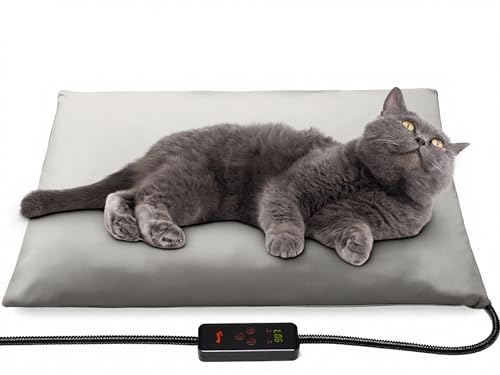
Toozey Toozey Small Pet Heating Pad
Six adjustable temperatures and a chew-resistant cord for safe warmth

MARUNDA MARUNDA Waterproof Pet Heating Pad
Indoor electric pad with a waterproof surface, great for seniors
INVENHO INVENHO Heated Cat Bed
Waterproof, adjustable-temperature heated bed that doubles as a pad
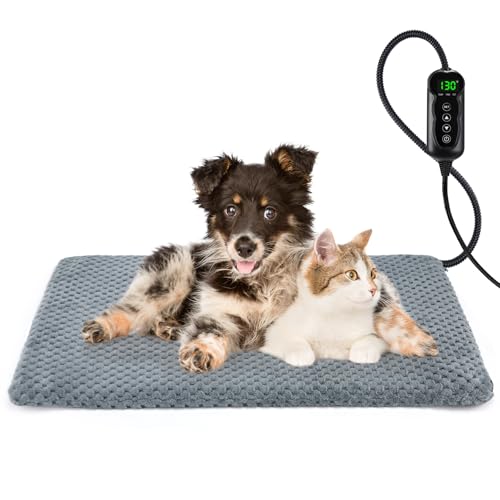
INVENHO INVENHO 2PACK Washable Pee Pads for Dogs
Roomier waterproof heated bed for big cats or multi-cat homes
Why Warmth Helps an Aging Cat
Gentle heat is one of the oldest comforts for stiff, aching joints, and it works for cats too. Warmth increases blood flow to the area and helps relax the muscles around a sore joint, so a cat that fidgets on a cold floor often settles deeply on a warm pad. Combined with the fact that older cats simply chill more easily, a heating pad delivers two benefits at once: relief for arthritic joints and a cozy refuge from the cold.
A heating pad does not treat arthritis itself. Think of it as comfort care that pairs with weight management, joint supplements, easy access to litter and food, and any veterinary pain relief your cat needs.
How We Chose
- Safe, low temperature: Warmth around a cat's body heat, never hot enough to burn.
- Smart controls: Thermostats or adjustable settings, ideally with auto shut-off.
- Chew-resistant cord: A protected or steel-wrapped cord for safety with curious cats.
- Washable and water-resistant: Removable covers matter for seniors with accidents or kidney disease.
- Right size: Big enough that a cat can lie partly off to regulate its own warmth.
Senior Cat Wellness & Care Planner
Track your aging cat's health, meds, vet visits, mobility, nutrition, and quality of life, all in one printable planner.
Electric vs Self-Warming
Electric pads deliver steady, controllable warmth, which is ideal for cats with painful arthritis who benefit from consistent heat. They do need a safe cord and some supervision. Self-warming pads contain a reflective layer that bounces a cat's own body heat back without electricity, making them completely worry-free for times you are out, though they warm more gently. Many owners combine the two: an electric pad while they are home, and a self-warming mat or heated blanket the rest of the time so warmth is always available.
Using a Heating Pad Safely
- Pet-specific only: Never use a human heating pad, which runs far too hot and lacks pet safety features.
- Allow an exit: Place the pad so your cat can move off it freely and is never trapped against the heat.
- Supervise early: Watch the first few uses to confirm your cat is comfortable, not overheating.
- Keep it clean and dry: Wash the cover regularly and ensure moisture never reaches the electronics.
- Off cold floors: Tile and concrete pull heat away, so a warm pad there is especially valued.
When to Talk to Your Veterinarian
A sudden, intense craving for warmth can occasionally point to an underlying problem such as anemia, hyperthyroidism, or kidney disease, particularly alongside weight loss, increased thirst, or low energy. A heating pad is comfort, not diagnosis. If your senior cat's behavior changes noticeably, see your vet so any medical cause can be ruled out, and mention the heating pad so it fits safely into your cat's overall comfort plan.
Related Guides
- Best Heated Cat Beds for Arthritis - Heated beds with built-in support.
- Best Cat Blankets - Soft, warm layers for a chilly senior cat.
- How to Keep an Arthritic Cat Comfortable - A complete comfort plan.
Pet Insurance · Sponsored
Protect Your Senior Cat From Surprise Vet Bills
Older cats are more prone to kidney, dental, and thyroid trouble, and a single emergency visit can run into the hundreds or thousands. Pet insurance can help you say yes to the care your cat needs without draining your savings. Get a free quote and see what coverage fits.
Frequently Asked Questions
Are heating pads safe for senior cats?
A heating pad made specifically for pets is safe when used as directed. Look for a low, regulated temperature, a chew-resistant cord, automatic shut-off or thermostat control, and a removable washable cover. Never use a human heating pad on a cat, since these get far too hot and lack pet safety features, risking burns. Place the pad so your cat can move off it freely, and supervise the first few uses to see how your cat responds.
What temperature should a cat heating pad be?
It should warm to roughly a cat's body temperature, about 100 to 102 degrees Fahrenheit, not hot to the touch. Pet pads are designed to provide gentle, body-level warmth rather than the high heat of a human pad. Many use a thermostat that only warms when the cat lies on it. The pad should feel pleasantly warm on your hand, never so hot that you would not want to rest your own skin on it.
Electric pad or self-warming pad: which is better?
Electric pads provide steady, controllable warmth and are ideal for cats with painful arthritis who benefit from consistent heat, but they need supervision and a safe cord. Self-warming pads use a reflective layer to bounce back the cat's own heat with no electricity, making them worry-free for unsupervised use, though they warm more gently. Many owners use an electric pad while home and a self-warming pad or heated blanket the rest of the time.
Why do older cats need extra warmth?
Aging cats lose muscle and insulating body fat, their circulation slows, and arthritic joints stiffen in the cold. The result is a cat that feels chilly far more easily than it did in its prime, which is why so many seniors hunt for sunny spots, radiators, and laundry piles. Gentle warmth from a heating pad eases stiff joints, helps a cat settle and sleep more deeply, and gives a cozy retreat on cold days.
Can a heating pad help my cat's arthritis?
Yes, gentle warmth is a time-honored comfort for sore joints and is often recommended as part of home arthritis care. Heat increases local blood flow and helps relax stiff muscles around an aching joint, so many cats settle more comfortably on a warm surface. A heating pad does not treat the arthritis itself, so combine it with weight control, joint supplements, easy access to resources, and any veterinary pain relief your vet prescribes.
Where should I place the heating pad?
Put it in your cat's favorite resting spot, away from drafts and air vents, and importantly large enough that your cat can choose to lie half on and half off it to regulate its own warmth. Avoid trapping the cat against the heat. Hard tile or concrete floors pull heat away, so a warm pad there is especially welcome. Having warmth available on more than one level of the home spares an arthritic cat from climbing stairs to get cozy.
Are heating pads safe for cats with incontinence or kidney disease?
They can be, with the right pad. Choose one with a waterproof surface or a removable, machine-washable, water-resistant cover, since senior cats with kidney disease or reduced bladder control may have accidents. Clean the cover regularly and check that moisture has not reached the electrical components. If your cat has a medical condition, mention the heating pad to your vet so it fits safely with the rest of your cat's care.
Need more help with your aging cat?
Browse our guides by topic to find practical solutions.
Wellness Planner: $39