Automatic vs Manual Litter Box for Cats
Self-cleaning automatic vs manual litter box for senior cats: safety, health monitoring, accessibility, noise, and cost compared for older cats.
Self-cleaning litter boxes promise to end the daily scoop, and for many homes they deliver. But a senior cat is not the average user. Aging brings arthritis, fading hearing and vision, and health conditions that make the humble litter box one of your most important monitoring tools. That changes the calculation between a high-tech automatic box and a simple manual one.
This guide weighs self-cleaning and manual litter boxes specifically for older cats, looking at safety, health monitoring, accessibility, noise, and cost, then gives a clear recommendation for seniors.
Litter Box Picks for Senior Cats

teweoa Automatic Self-Cleaning Litter Box
Sensor-driven self-cleaning with safety protection for multiple cats
TAILRYTH Qiuma Stainless Steel Cat Litter Box with Low Entry
Simple floor-level box, no moving parts, easy for arthritic seniors

NE14pets Senior Low-Entrance Litter Box
Low-entry pan made for senior and arthritic cats
Quick Verdict
A manual low-entry box is the safer default for most senior cats, because it has no moving parts to fear, easy floor-level access, and full visibility of urine and stool so you can catch health changes early. An automatic box shines for convenience and a consistently clean surface, and the best models track visits and weight, but it can raise safety, accessibility, and monitoring concerns for aging cats. Our recommendation: keep at least one easy manual box always available, and add an automatic box only if it has a low wide entrance, reliable safety sensors, and ideally output tracking.
The Practical Answer
For seniors, the litter box is a health dashboard. Being able to see what your cat produces, and how often, helps you spot kidney disease, diabetes, and urinary problems early. If an automatic box hides that, pair it with a manual box you check daily, or choose a model that logs output. Never let automation cost you visibility or your cat's sense of safety.
How Automatic Litter Boxes Work
A self-cleaning box uses sensors to detect when the cat has left, waits a set delay, then rakes or rotates to separate waste into a sealed drawer. The litter surface is refreshed automatically after each visit. Higher-end models connect to an app that logs each visit, tracks the cat's weight, and alerts you to changes.
Advantages
- Consistently clean surface, which fussy seniors appreciate
- Less daily scooping, helpful for owners with their own mobility limits
- Odor control from sealed waste drawers
- Optional health data on visit frequency and weight from app models
Concerns for Seniors
- Safety risk if a slow or low-profile cat is missed by sensors
- Hidden output, removing your view of urine, stool, and blood
- Mechanical noise that can startle a senior and cause avoidance
- Accessibility issues from tall walls, a step up, or a small opening
- Higher cost and sometimes proprietary litter
How Manual Litter Boxes Work
A manual box is exactly what it sounds like: an open or covered pan you scoop yourself. There are no sensors, motors, or moving parts. For seniors, the senior-friendly versions have a low front entrance so a stiff cat steps in at floor level, plus room to turn and squat comfortably.
Advantages
- No moving parts to fear, jam, or injure a frail cat
- Easy low-entry access for arthritic seniors
- Full visibility of urine clumps, stool, blood, and straining
- Low cost and any litter your cat prefers
- Quiet and predictable, which seniors trust
Drawbacks
- Daily scooping required, ideally once or twice a day
- Less hands-off than an automatic box
- Odor if not cleaned promptly
Side-by-Side Comparison
| Factor | Automatic | Manual |
|---|---|---|
| Safety for frail cats | Needs reliable sensors | No moving parts |
| Health monitoring | Often hidden (some apps log) | Full visibility |
| Accessibility | Varies, often tall or stepped | Easy with low entry |
| Noise | Can startle seniors | Silent |
| Daily effort | Low | Scooping required |
| Cost | Higher, sometimes proprietary litter | Low |
| Best for | Convenience, agile seniors, tracking models | Most seniors, monitoring, frail cats |
Why Monitoring Output Matters So Much
In senior cats, subtle changes in the litter box are often the first clue to a serious problem. Larger or more frequent urine clumps can signal kidney disease or diabetes, tiny frequent clumps or visible blood can mean a urinary issue, and straining or missing the box can point to arthritis pain or constipation. A box that sweeps waste away before you see it removes this early-warning system. If you love the convenience of automation, choose a model that logs output and weight, or keep a manual box you inspect daily.
Our Top Pick for Most Seniors
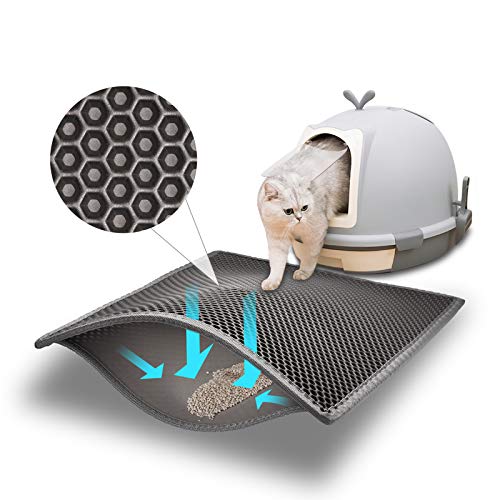
A simple low-entry manual box covers the things that matter most for an aging cat: floor-level access, no scary mechanism, and a clear view of what your cat produces. Add a trapping mat to control tracking, and use an automatic box only as a supplement, never the sole option.
Check Price on AmazonIf You Choose an Automatic Box
Automatic boxes can work for older cats when chosen and introduced thoughtfully. Pick a model with a genuinely low, wide entrance, dependable weight and motion sensors, and a long delay before cleaning so a lingering senior is never caught. Favor a quiet unit and, ideally, one that tracks visits and weight. Introduce it slowly, keep the familiar manual box available throughout, and watch how your cat behaves. Maintain the one-box-per-cat-plus-one rule with a box on every level, and never rely on a single mechanical box for a frail senior.
Our Recommendation
For most senior cats, make a low-entry manual box the foundation, since it is safe, accessible, quiet, and lets you monitor the litter habits that flag disease. Add an automatic box only if it offers a low wide entrance, trustworthy safety sensors, low noise, and ideally output tracking, and keep a manual box alongside it. Provide one box per cat plus one extra on every level, scoop at least once or twice daily, and call your veterinarian about any change in litter box habits, straining, or output. This article is educational and complements, not replaces, veterinary care.
Senior Cat Wellness & Care Planner
Track your aging cat's health, meds, vet visits, mobility, nutrition, and quality of life, all in one printable planner.
Related Guides
- Covered vs Uncovered Litter Box - Privacy versus accessibility
- Senior Cat Litter Box Problems - Troubleshooting accidents
- Kidney Disease in Senior Cats - Why litter habits change
Pet Insurance · Sponsored
Protect Your Senior Cat From Surprise Vet Bills
Older cats are more prone to kidney, dental, and thyroid trouble, and a single emergency visit can run into the hundreds or thousands. Pet insurance can help you say yes to the care your cat needs without draining your savings. Get a free quote and see what coverage fits.
Frequently Asked Questions
Are automatic litter boxes safe for senior cats?
They can be, but you must choose carefully and supervise. Self-cleaning boxes use sensors and a rotating or raking mechanism, and an older, slower, or wobbly cat can be startled or get caught if the unit cycles too soon or the safety sensors miss a low-profile cat. Look for reliable weight and motion sensors, a generous delay before cleaning, and a large opening. Many vets still favor a simple manual box for frail seniors because there are no moving parts to fear.
Do automatic litter boxes make it harder to monitor a senior cat's health?
Often yes, and that is a real drawback for aging cats. Many self-cleaning boxes whisk waste away before you see it, hiding the urine clump size, frequency, blood, diarrhea, or straining that signal kidney disease, diabetes, or urinary problems in seniors. Some app-connected models log visits and weight, which helps. If you use an automatic box, choose one that reports output or check the waste drawer regularly, because tracking your senior's litter habits is one of your best early-warning tools.
Is a manual or automatic litter box better for an arthritic cat?
For most arthritic cats, a low-entry manual box wins. Entry height and room to turn matter more than self-cleaning, and many automatic boxes have tall walls, a raised platform, or a step up that a stiff cat struggles with. A simple open box with a low front entrance lets an arthritic senior step in at floor level. If you want the convenience of automation, pick a model with a genuinely low, wide entrance and watch how your cat uses it.
What are the real benefits of an automatic litter box?
Convenience and consistent cleanliness top the list. A self-cleaning box removes waste after each visit, so the litter surface stays fresh, which can help a fussy senior that refuses a soiled box. It cuts daily scooping for owners with mobility issues or busy schedules and can reduce odor. App-enabled models may track visits and weight, useful data for an aging cat. The trade-offs are cost, the need for proprietary litter on some models, mechanical noise, and reduced visibility of output.
Will an automatic litter box scare my older cat?
It can, especially a noisy unit that cycles while the cat is nearby. Cats are sensitive to sudden sounds and movement, and a senior with reduced hearing or vision may be startled or distrust the box, leading to avoidance and accidents. Introduce a new automatic box gradually, keep the old manual box available during the transition, and let your cat get used to the sound. If your cat stays wary after a couple of weeks, a quiet manual box is the safer choice.
How many litter boxes does a senior cat need with an automatic box?
Stick with the rule of one box per cat plus one extra, and do not let a single automatic box replace all of them. Keep at least one easy manual box available, ideally a low-entry one, so your senior always has a familiar, mechanism-free option and a box on every level of the home. This also gives you a backup if the automatic unit jams or needs cleaning, and it preserves your ability to monitor output.
Need more help with your aging cat?
Browse our guides by topic to find practical solutions.
Wellness Planner: $39