Grain-Free vs Grain Cat Food for Seniors
Grain-free vs grain-inclusive food for senior cats: the DCM context, digestibility, protein, moisture, and a balanced, vet-guided verdict for older cats.
Walk down the cat food aisle and grain-free bags shout the loudest, implying that grains are something to fear. For a senior cat owner already worried about kidneys, weight, and appetite, the marketing adds one more thing to second-guess. The truth is calmer than the packaging suggests: for most cats, the grain question is far less important than protein quality, calories, moisture, and fitting any medical condition.
This guide compares grain-free and grain-inclusive food for older cats, including the diet-associated heart disease context that worries many owners, and lands on a balanced, vet-guided recommendation.
Senior Cat Food Picks
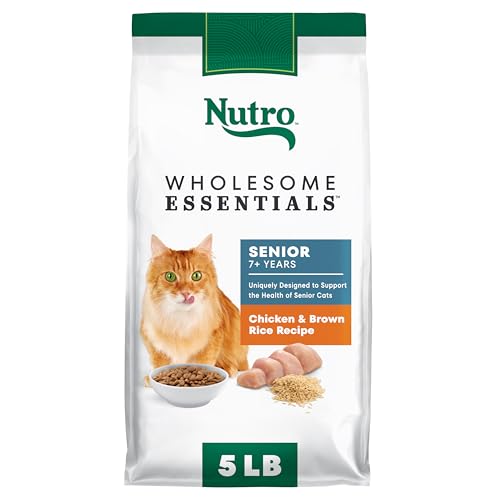
Nutro Grain-Inclusive Senior Dry Food
Chicken and brown rice recipe with quality protein for seniors

Wellness Grain-Free Senior Dry Food
Grain-free chicken kibble formulated for mature cats

Tiki Cat Senior Wet Cat Food Variety
Moisture-rich wet food for hydration and easy eating in seniors

Hill's Science Diet Sensitive Stomach Digestive Food
Easy-to-digest recipe for seniors with a touchy stomach
Quick Verdict
Neither grain-free nor grain-inclusive is universally better for senior cats. True grain allergies are uncommon, well-made grain-inclusive foods are healthy, and grain-free simply substitutes peas, potatoes, or lentils. What actually matters for an aging cat is complete and balanced nutrition, quality animal protein, the right calories, good moisture, and a profile that fits any medical condition. Our recommendation: feed a complete and balanced diet from a reputable maker, prioritize protein, moisture, and your cat's specific health needs, and let your veterinarian, not the label, guide the choice.
The Practical Answer
Stop fixating on the word grain-free. For seniors, protein quality, calorie level, phosphorus, and moisture matter far more. A kidney cat needs restricted phosphorus, a thin cat needs calories, a dehydrated cat needs wet food. Pick a complete, balanced diet that fits those needs from a brand with strong quality control, and the grain question largely takes care of itself.
What Grain-Free Really Means
Grain-free does not mean carbohydrate-free or low-carb. It means the recipe replaces grains like rice, corn, and wheat with other carbohydrate sources such as peas, lentils, potatoes, or tapioca. The protein and calorie content can be similar to a grain-inclusive food. For cats with a genuine, diagnosed grain allergy, which is uncommon, a grain-free or limited-ingredient diet can help, but for the average senior there is no built-in advantage.
Where Grain-Free Can Make Sense
- A vet-confirmed grain allergy or specific ingredient sensitivity
- An elimination diet trial guided by your veterinarian
- Owner preference, as long as the food is complete and balanced
The DCM Context Owners Worry About
Much of the grain-free concern traces to an FDA investigation into diet-associated dilated cardiomyopathy, or DCM, which focused mainly on dogs eating grain-free, legume-heavy diets. The mechanism is still not fully understood. In cats, the historical cause of DCM is taurine deficiency, which is why complete cat foods are fortified with taurine. The feline evidence linking grain-free diets to heart disease is limited. The reassuring takeaway is to feed a complete and balanced diet from a maker with solid nutritional expertise and quality control, and to raise any heart concerns with your vet, who can check for murmurs and disease in a senior.
What Grain-Inclusive Food Offers
Grain-inclusive foods use cooked grains as a digestible carbohydrate and energy source. Despite the marketing, grains in cat food are not filler when the recipe is well-balanced, and they are processed to be readily digestible. Many time-tested senior diets are grain-inclusive and have decades of feeding behind them.
Advantages
- Well-established formulas with long feeding track records
- Digestible energy from cooked grains most cats tolerate well
- Often more affordable than grain-free equivalents
- No legume-heavy recipes, sidestepping the DCM debate entirely
Side-by-Side Comparison
| Factor | Grain-Free | Grain-Inclusive |
|---|---|---|
| Carb source | Peas, potatoes, lentils | Rice, corn, oats |
| Digestibility | Good when well-made | Good, grains cooked |
| Allergy relief | Helps true grain allergy | Fine for most cats |
| DCM debate | Tied to legume-heavy dog diets | Not implicated |
| Cost | Often higher | Often lower |
| Best for | Confirmed allergy, owner choice | Most healthy seniors |
What Senior Cats Actually Need
Aging cats have real nutritional priorities that dwarf the grain question. They need high-quality animal protein to slow age-related muscle loss, the right calorie level for their body condition, since some seniors lose weight while others gain it, and plenty of moisture, which is why many vets favor wet food for older cats prone to dehydration. Cats with medical conditions need targeted diets: restricted phosphorus for kidney disease, controlled carbohydrates for diabetes, calorie support for a thin cat. Match the food to these needs first, and treat grain content as a minor detail.
Our Practical Pick
Choose a complete and balanced senior diet with quality animal protein and good moisture from a reputable maker, grain-free or not. If your cat thrives on its current food, there is no reason to switch. Add wet food for hydration, and let your vet steer any change tied to kidneys, weight, diabetes, or digestion.
Check Price on AmazonHow to Switch Foods Safely
If you do change your senior's diet, transition gradually over one to two weeks, mixing increasing amounts of the new food into the old. Older cats handle abrupt changes poorly and can develop loose stool or refuse the new food outright. Watch appetite, stool, and weight throughout, and remember that a senior should not go more than a day or two without eating because of the risk of hepatic lipidosis. If your cat rejects the new food or has digestive upset, slow down and consult your vet.
Our Recommendation
For senior cats, the grain-free versus grain-inclusive debate is mostly noise. Feed a complete and balanced diet from a maker with strong quality control, prioritizing animal protein, appropriate calories, moisture, and any condition-specific needs your cat has. Grain-free is worth choosing only for a confirmed allergy or your vet's specific advice, and a well-made grain-inclusive food is a perfectly healthy choice for most older cats. Bring any concerns about heart disease, weight, kidneys, or digestion to your veterinarian, who knows your cat's full picture. This article is educational and complements, not replaces, veterinary care.
Senior Cat Wellness & Care Planner
Track your aging cat's health, meds, vet visits, mobility, nutrition, and quality of life, all in one printable planner.
Related Guides
- Wet vs Dry Food for Senior Cats - Moisture and texture choices
- Best Cat Food for Senior Cats - Top diet picks
- Weight Management for Older Cats - Calories and body condition
Pet Insurance · Sponsored
Protect Your Senior Cat From Surprise Vet Bills
Older cats are more prone to kidney, dental, and thyroid trouble, and a single emergency visit can run into the hundreds or thousands. Pet insurance can help you say yes to the care your cat needs without draining your savings. Get a free quote and see what coverage fits.
Frequently Asked Questions
Is grain-free food better for senior cats?
Not inherently. Grain-free marketing implies grains are harmful, but true grain allergies are uncommon in cats, and well-formulated grain-inclusive foods are perfectly healthy. What matters more for a senior is overall protein quality, calorie level, phosphorus content, digestibility, and whether the diet fits any medical condition like kidney disease or diabetes. Grain-free simply swaps grains for peas, potatoes, or lentils. The best food for your senior is the one your vet recommends for its specific health, grain or not.
Is there a DCM risk with grain-free food for cats?
The FDA investigation into diet-associated dilated cardiomyopathy, or DCM, centered on dogs eating grain-free and legume-heavy diets, and the link is still not fully understood. In cats, the classic cause of DCM is taurine deficiency, which is why complete cat foods are supplemented with taurine. The feline evidence around grain-free diets and DCM is limited. The safest path is feeding a complete and balanced diet from a reputable maker and discussing any heart concerns, especially in a senior, with your veterinarian.
Are grains hard for older cats to digest?
Not usually. Cats are obligate carnivores, but cooked grains like rice, corn, and oats are processed to be highly digestible, and most cats handle them well. Digestive trouble in a senior is more often tied to the overall food quality, fat level, a sudden diet change, or an underlying condition than to grains themselves. If your older cat has loose stool or vomiting, talk to your vet rather than assuming grains are the cause, since the real trigger is frequently something else.
What should I actually look for in a senior cat food?
Prioritize a complete and balanced label meeting AAFCO standards, high-quality animal protein to protect aging muscle, an appropriate calorie level for your cat's weight, and good digestibility. For specific conditions, the right phosphorus, protein, or calorie profile matters far more than the grain question, kidney cats need restricted phosphorus, for example. Wet food adds valuable moisture for seniors prone to dehydration. Whether the food contains grains is a minor detail next to these factors, so let your vet guide the choice.
Should I switch my senior cat to grain-free?
There is no need to switch a thriving senior to grain-free just because of marketing. If your cat does well on its current complete and balanced food, keep it. Consider a change only for a documented reason, such as a confirmed food allergy, a medical condition, weight management, or your vet's advice. If you do switch foods, transition gradually over one to two weeks to avoid digestive upset, which older cats tolerate poorly, and watch appetite and stool closely.
Is wet or dry more important than grain-free for a senior?
For most senior cats, moisture content matters more than the grain question. Older cats are prone to dehydration and conditions like kidney disease, so the water in wet food is a real benefit, and many vets recommend incorporating wet food for seniors. Both grain-free and grain-inclusive foods come in wet and dry forms. Focus first on getting enough moisture, adequate quality protein, and the right calories for your cat's body condition, then treat grain content as a secondary preference.
Need more help with your aging cat?
Browse our guides by topic to find practical solutions.
Wellness Planner: $39