Can Cats Eat Blueberries? Senior Cat Treat Guide
Yes, cats can eat a blueberry or two safely. Learn about the antioxidants, the sugar limits for older cats, and which treats truly benefit an aging carnivore.
Yes, cats can eat blueberries in small amounts, and they are non-toxic. One or two make a harmless occasional treat, but your cat does not need them. Blueberries do contain antioxidants and fiber, which is why some cat foods include them, yet a complete diet already covers those needs.
Cats are obligate carnivores, so fruit is a novelty rather than nutrition. A blueberry now and then is fine, but it is no substitute for the protein an aging cat thrives on.
Protein Treats Aging Cats Truly Benefit From

ORIJEN ORIJEN Freeze Dried Cat Treats
High-protein raw-inspired treat that fits a carnivore's diet

Dr. Elsey's Dr. Elsey's cleanprotein Bites
High-protein, low-carb treat for senior cats
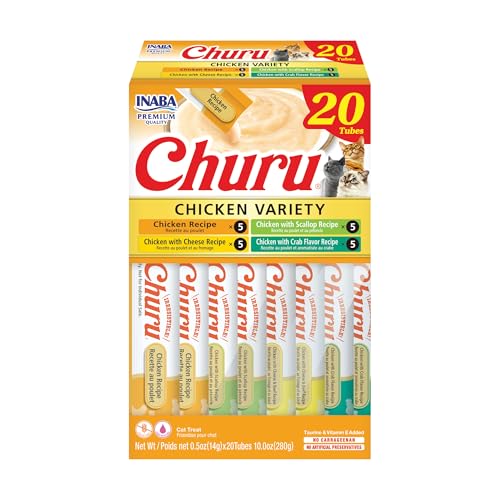
INABA Churu Lickable Cat Treats
Savory purée most senior cats prefer over fruit
Product picks are researched, not veterinary advice. As an Amazon Associate we earn from qualifying purchases.
Are blueberries good for cats?
Blueberries are one of the safer fruits to share with a cat. They are non-toxic and contain antioxidants, vitamins, and fiber, which is why you will sometimes see them listed in commercial cat foods. That said, cats are designed to get their nutrients from animal sources, so the benefit of a stray blueberry is minimal. Treat it as a fun extra, not a wellness boost.
How to offer blueberries safely
- Keep it to one or two: a tiny amount, only occasionally.
- Wash them first: to remove any pesticide residue.
- Cut them in half: easier and safer for a small or senior cat.
- Fresh only: skip dried blueberries and sugary blueberry products.
A senior-cat note
For older cats, the small amount of sugar is the thing to watch. Senior cats are more likely to be diabetic or overweight, and any fruit should be cleared with your vet for those cats. If you are interested in antioxidant support for an aging cat, a supplement formulated for cats provides a far more reliable dose than a handful of berries. Protein, not fruit, is what keeps senior muscle strong.
The bottom line
Blueberries are a safe, low-risk treat that a few cats enjoy and many ignore. They will not harm a healthy cat, but they are not a meaningful source of nutrition. For a treat your aging cat can truly use, choose a meat-based option and leave the berries as an occasional curiosity.
Senior Cat Wellness & Care Planner
Track your aging cat's health, meds, vet visits, mobility, nutrition, and quality of life, all in one printable planner.
Editor's Pick · Affiliate link
A Stainless Steel Fountain for a Senior Cat
Chronic kidney disease is the most common serious diagnosis in older cats, and moving water is the easiest way to raise daily intake. Stainless steel stays cleaner than plastic, which matters on a bowl that runs all day.
Frequently Asked Questions
Are blueberries safe for cats?
Yes, blueberries are non-toxic to cats, so one or two as an occasional treat are safe for a healthy cat. They contain antioxidants and fiber, and you will even find blueberry in some commercial cat foods. Still, cats are obligate carnivores and do not need fruit. Blueberries are a harmless novelty treat rather than a health food, so keep portions tiny and infrequent.
How many blueberries can a cat eat?
One or two blueberries at a time, occasionally, is plenty for any cat. Treats of all kinds should stay under about 10 percent of daily calories, and fruit adds sugar a carnivore does not need. Offer them fresh, washed, and cut in half for a small or senior cat to reduce any choking risk. Many cats ignore blueberries entirely, which is completely fine.
Do blueberries have health benefits for cats?
Blueberries contain antioxidants, vitamins, and fiber, which is why some pet food makers add them in small amounts. For a cat eating a complete diet, though, those nutrients are already covered, and a cat's body is built to get them from animal sources. So while blueberries are not harmful, do not rely on them for nutrition. A balanced senior cat food and proper supplements do far more for an aging cat's health.
Can senior cats with diabetes eat blueberries?
It is best to be cautious. Blueberries are lower in sugar than many fruits, but they still contain some, and a diabetic cat's diet needs careful control of carbohydrates. Talk to your vet before offering any fruit to a diabetic or overweight senior. For most diabetic cats, it is safer to skip fruit treats entirely and stick to vet-approved, protein-based options that will not affect blood sugar.
Can cats eat dried blueberries or blueberry products?
Avoid dried blueberries and blueberry-flavored human foods. Dried fruit is far more concentrated in sugar, and processed products like muffins, yogurt, or cereal often contain added sugar, dairy, or other ingredients that are unsuitable or even harmful for cats. Only plain, fresh blueberries are appropriate, and only in tiny amounts. If you want a fruit-containing treat, choose a cat food or treat that lists it as a minor ingredient.
What treats are better for an aging cat?
Protein-based treats suit a cat's biology far better than fruit. Freeze-dried meat, lickable purées, and high-protein bites give your senior the savory snack it craves while supporting muscle, which older cats tend to lose. If you like the idea of antioxidant support for an aging cat, a vet-recommended supplement made for cats delivers far more targeted benefit than a couple of blueberries ever could.
Need more help with your aging cat?
Browse our guides by topic to find practical solutions.
Wellness Planner: $39