Can Cats Eat Bread? Senior Cat Feeding Guide
Cats can eat a crumb of plain bread, but it is empty carbs with no benefit. Learn why raw dough is dangerous and which treats suit an older carnivore.
Cats can eat a small piece of plain bread without harm, but it is empty calories with no nutritional benefit. Never let a cat eat raw bread dough, which is genuinely dangerous. Bread is all carbohydrate, and cats are built to run on protein and fat.
A crumb of plain baked bread now and then is harmless for most cats, but there is no reason to offer it. Your aging cat gains far more from a meat-based treat.
Protein Treats Worth Offering Instead
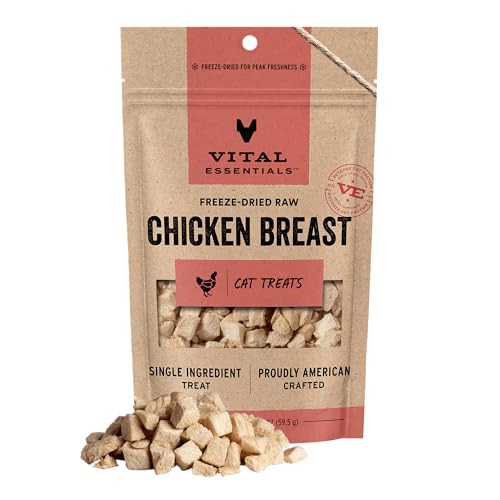
Vital Essentials Vital Essentials Freeze Dried Chicken
Single-ingredient protein treat that fits a carnivore's needs

ORIJEN ORIJEN Freeze Dried Cat Treats
High-protein, grain-free treat far better than bread
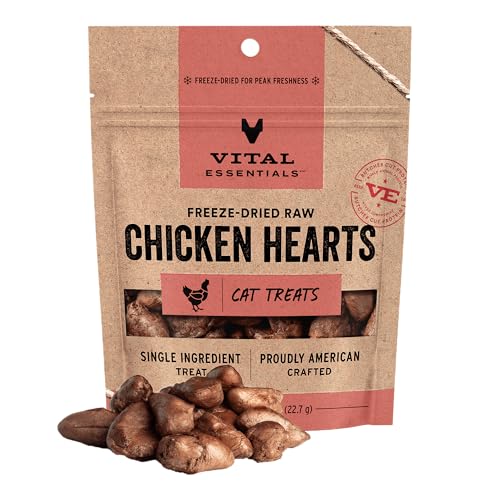
Vital Essentials Vital Essentials Chicken Hearts
Nutrient-dense organ treat rich in taurine for senior cats
Product picks are researched, not veterinary advice. As an Amazon Associate we earn from qualifying purchases.
Is bread okay for cats?
Plain baked bread is not toxic, so a stray bite is no emergency. The issue is that bread does nothing useful for a cat. It is mostly starch, providing calories but none of the protein, taurine, or other animal-based nutrients a cat needs. Treating bread as a snack simply adds empty carbohydrates to your cat's day.
The real danger: raw dough
While baked bread is harmless in tiny amounts, raw bread dough is a true hazard. In the warmth of the stomach, the yeast keeps working, producing gas that can bloat and twist the stomach, and generating alcohol that can lead to alcohol poisoning. Both are emergencies. Keep rising dough out of reach, and call your vet immediately if your cat eats any.
Watch the add-ins
- Garlic and onion bread: toxic to cats, never share.
- Raisin bread: grapes and raisins are dangerous for cats.
- Salty, seeded, or nutty breads: best avoided.
- Sweet breads or anything with xylitol: off-limits.
A senior-cat note
For older cats, the carbohydrate load is the concern. Senior cats are prone to weight gain and diabetes, and bread's calories work against both. Filling up on bread can also crowd out the protein an aging cat needs to hold on to muscle. If you want to spoil your senior, choose a protein treat that supports their body rather than empty starch.
The bottom line
Plain baked bread is safe in a crumb but pointless for cats, and raw dough is dangerous. Skip the loaf and reach for a meat-based treat that actually fits your aging cat's carnivore biology.
Senior Cat Wellness & Care Planner
Track your aging cat's health, meds, vet visits, mobility, nutrition, and quality of life, all in one printable planner.
Editor's Pick · Affiliate link
A Stainless Steel Fountain for a Senior Cat
Chronic kidney disease is the most common serious diagnosis in older cats, and moving water is the easiest way to raise daily intake. Stainless steel stays cleaner than plastic, which matters on a bowl that runs all day.
Frequently Asked Questions
Is plain bread safe for cats?
A small piece of plain, baked bread is non-toxic to most cats, so a nibble will not cause harm. The problem is that bread is empty calories for a carnivore: lots of carbohydrate and little your cat can use. It offers no real nutrition and can crowd out the protein an aging cat needs. An occasional tiny bite is fine, but bread should never be a routine treat.
Can cats eat raw bread dough?
No, raw bread dough is dangerous and should be kept well away from cats. In a warm stomach, the yeast keeps fermenting, producing gas that can painfully bloat and twist the stomach, and it releases alcohol that can cause alcohol poisoning. This is a genuine emergency. If your cat eats raw dough, call your vet or an emergency clinic right away rather than waiting to see what happens.
How much bread can a senior cat have?
Very little, and rarely. A small piece of plain baked bread occasionally will not hurt a healthy cat, but there is no reason to make it a habit. The carbohydrates add calories that older, less active cats do not need and can contribute to weight gain or worsen diabetes. If you want to treat your senior, a protein-based snack is a far better fit than bread.
Why is bread bad for cats nutritionally?
Cats are obligate carnivores built to run on protein and fat, not carbohydrates. Bread is mostly starch, which gives calories without the amino acids, taurine, or other nutrients a cat actually requires. Filling up on bread can displace the protein an aging cat needs to maintain muscle. So while a crumb is harmless, bread works against your cat's natural diet rather than supporting it.
Are there ingredients in bread that harm cats?
Some breads contain ingredients that are unsafe, so always check before sharing. Garlic and onion bread are toxic to cats, raisin bread is dangerous because grapes and raisins can harm cats, and breads with seeds, nuts, or lots of salt are best avoided. Sweet breads and anything with xylitol are also off-limits. Only plain, simple baked bread is appropriate, and only in a tiny amount.
My cat likes bread. What should I give instead?
Cats often go for bread out of curiosity or for the smell and texture rather than need. A meat-based treat satisfies that interest in a way that suits a carnivore. Freeze-dried chicken or fish, lickable purées, and high-protein bites give your senior a savory snack that supports muscle and provides usable nutrients, unlike the empty carbohydrates in bread. Keep the bread to a rare crumb at most.
Need more help with your aging cat?
Browse our guides by topic to find practical solutions.
Wellness Planner: $39