Can Cats Eat Cheese? What Senior Cat Owners Should Know
Cats can eat a tiny bit of cheese, but most are lactose intolerant. Learn the risks, safer cheeses, pill tricks, and better treats for your older cat.
Cats can eat a tiny bit of cheese, but it is a treat at best and a problem for many. Most adult cats are lactose intolerant, and cheese is high in fat and salt. A pea-sized nibble now and then will not hurt most cats, but cheese should never be a regular part of the diet.
Cats are obligate carnivores, so dairy was never part of their natural menu. They are drawn to the fat and protein in cheese, not because they need it.
Cat-Friendly Treats to Offer Instead
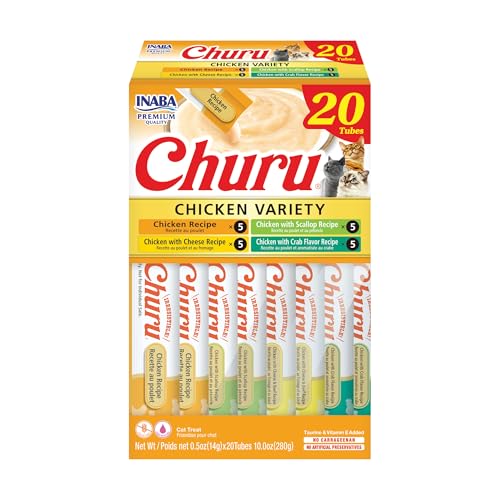
INABA Churu Lickable Cat Treats
Savory purée that satisfies cravings without dairy lactose

Greenies Greenies Dental Cat Treats
Crunchy reward that also supports senior dental health

Dr. Elsey's Dr. Elsey's cleanprotein Bites
High-protein, low-carb treat with no lactose to upset digestion
Product picks are researched, not veterinary advice. As an Amazon Associate we earn from qualifying purchases.
The lactose problem
Kittens produce lactase, the enzyme that breaks down milk sugar, but most cats lose much of it as they grow up. Without enough lactase, lactose ferments in the gut and causes gas, cramping, and diarrhea. Cheese has less lactose than milk because some is removed during production, which is why a small piece bothers cats less than a saucer of milk. It can still cause upset, though, particularly in sensitive seniors.
Fat and salt concerns
Beyond lactose, cheese is rich and salty. The fat adds calories that an older, less active cat does not need and can trigger digestive upset. The sodium is a bigger issue for senior cats, since many develop kidney disease or high blood pressure, conditions where extra salt is genuinely harmful. These factors make cheese a poor everyday choice even for cats that tolerate the lactose.
If you do offer cheese
- Keep it pea-sized and occasional.
- Choose plain, hard, low-lactose cheese like a small bit of cheddar.
- Never give cheese with onion, garlic, chives, or herbs, which can be toxic.
- Avoid blue cheeses and any moldy varieties.
- Watch for gas or loose stool, and stop if your cat reacts.
A senior-cat note
For aging cats with kidney disease, heart disease, or weight problems, it is safest to skip cheese altogether. If you have been using cheese to give pills, ask your vet about lickable treats or pill pockets made for cats, which are gentler and just as effective. Reliable, low-stress medicating matters more than the treat you wrap it in.
Better rewards
Because cats crave the fat and protein in cheese, a meat-based treat hits the same note without the dairy downside. Lickable purées, freeze-dried meat, and dental treats are all formulated for feline digestion and lower in salt and fat. They make a smarter daily reward for an older cat that loves a savory snack.
Senior Cat Wellness & Care Planner
Track your aging cat's health, meds, vet visits, mobility, nutrition, and quality of life, all in one printable planner.
Editor's Pick · Affiliate link
A Stainless Steel Fountain for a Senior Cat
Chronic kidney disease is the most common serious diagnosis in older cats, and moving water is the easiest way to raise daily intake. Stainless steel stays cleaner than plastic, which matters on a bowl that runs all day.
Frequently Asked Questions
Why is cheese not great for cats?
Most cats are lactose intolerant as adults because they lose the enzyme needed to digest milk sugar. Cheese contains less lactose than milk, but it can still cause gas, bloating, and diarrhea. Cheese is also high in fat and salt, which is hard on older cats with kidney, heart, or weight concerns. A tiny nibble now and then is usually fine, but cheese offers cats no nutritional benefit they cannot get elsewhere.
How much cheese can a cat have?
Keep it to a pea-sized piece, occasionally, if at all. Cheese should never be a regular treat. The high fat and sodium add up quickly for a small animal, and the lactose can upset digestion. If you use cheese to hide a pill, use the smallest amount that works. For a senior cat with kidney disease, heart disease, or excess weight, it is better to skip cheese entirely.
Which cheeses are safest for cats?
If you offer any, hard, low-lactose cheeses like a small bit of cheddar or Swiss are tolerated better than soft, high-moisture cheeses. Avoid anything with added ingredients, especially cheeses with onion, garlic, herbs, or chives, since onion and garlic are toxic to cats. Skip blue cheeses, which contain molds that can be harmful. Plain, in a tiny amount, is the only way cheese should ever appear.
Can I use cheese to give my cat a pill?
You can, but there are better options. A pea-sized piece of soft cheese can disguise a pill for some cats, but the lactose and fat make it less ideal, especially for seniors on long-term medication. Lickable purée treats or commercial pill pockets designed for cats usually work better and are gentler on digestion. Ask your vet for the easiest method, since reliable daily dosing matters more than the treat itself.
Is cheese dangerous for senior cats?
A tiny piece is not toxic, but cheese is a poor fit for many older cats. The high sodium can raise blood pressure and strain the kidneys, both common concerns in aging cats, and the fat can trigger digestive upset or contribute to weight gain. If your senior has chronic kidney disease, heart disease, or pancreatitis history, cheese is best avoided. When in doubt, choose a treat made for cats instead.
My cat loves cheese. What can I give instead?
Cats are drawn to the fat and protein in cheese, so a savory, meat-based treat satisfies the same craving without the lactose. Lickable purée treats, freeze-dried meat, or a small dental treat give that hit of flavor in a cat-appropriate form. These options are lower in salt and fat than cheese and are formulated for feline digestion, making them a smarter everyday reward for an older cat.
Need more help with your aging cat?
Browse our guides by topic to find practical solutions.
Wellness Planner: $39