Can Cats Eat Peanut Butter? Why It's Best Avoided
Peanut butter is not toxic but is a poor, risky choice for cats. Learn about the xylitol danger, choking and fat risks, and safer treats for an older cat.
Peanut butter is not toxic, but it is a poor choice for cats and best avoided. It is high in fat, a choking risk, and may contain xylitol, a sweetener considered dangerous to pets. A small lick of plain, xylitol-free peanut butter will not poison a cat, but it offers no benefit and carries real downsides.
Cats are obligate carnivores and gain nothing from a fatty, sticky spread. With safe, cat-made treats readily available, there is little reason to offer peanut butter at all.
Safe Treats to Offer Instead
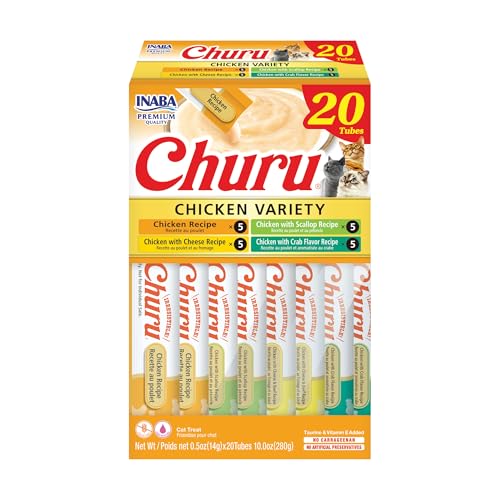
INABA Churu Lickable Cat Treats
The lick-from-a-spoon appeal cats enjoy, made safe for them

Dr. Elsey's Dr. Elsey's cleanprotein Bites
High-protein, low-fat treat suited to a carnivore
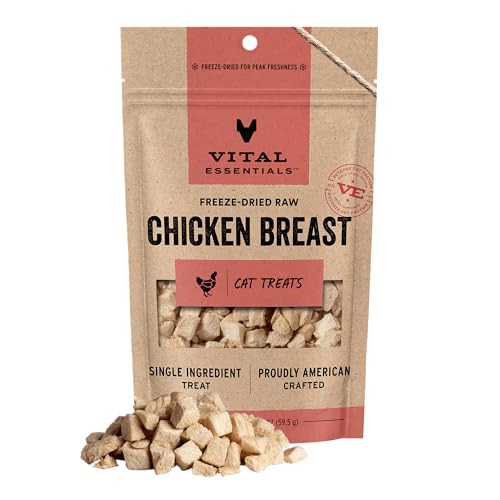
Vital Essentials Vital Essentials Freeze Dried Chicken
Simple single-ingredient meat treat with no additives
Product picks are researched, not veterinary advice. As an Amazon Associate we earn from qualifying purchases.
Why peanut butter is a poor choice
Peanut butter is rich in fat and calories, and cats have no nutritional use for it. The fat alone can upset an older cat's digestion or, in some cases, contribute to pancreatitis. The thick, sticky texture is also a genuine choking hazard for a small animal, as it can clump in the mouth or throat. None of this comes with any benefit a cat actually needs.
The xylitol danger
The most serious concern is xylitol, a sugar substitute now found in some peanut butters and many sugar-free foods. It is well documented as highly toxic to dogs, and it is considered unsafe for cats as well. Because brands change recipes, you cannot assume a peanut butter is xylitol-free, so always read the ingredient list. The simplest safe approach is to keep peanut butter away from your cat entirely.
A senior-cat note
Older cats have extra reasons to skip peanut butter. Their digestion is more sensitive, the fat can trigger problems, and many seniors manage kidney or heart conditions where a fatty, salty treat is unhelpful. If you have been using peanut butter to give medication, switch to a lickable treat or a pill pocket made for cats, which are safer and usually work better for an aging cat.
The bottom line
Peanut butter is not poison, but it is a risky, pointless treat for cats, and the possibility of xylitol makes it one to avoid. Choose a lickable purée, freeze-dried meat, or another cat-formulated treat instead, and give your aging cat something it can safely enjoy.
Senior Cat Wellness & Care Planner
Track your aging cat's health, meds, vet visits, mobility, nutrition, and quality of life, all in one printable planner.
Editor's Pick · Affiliate link
A Stainless Steel Fountain for a Senior Cat
Chronic kidney disease is the most common serious diagnosis in older cats, and moving water is the easiest way to raise daily intake. Stainless steel stays cleaner than plastic, which matters on a bowl that runs all day.
Frequently Asked Questions
Is peanut butter safe for cats?
Plain peanut butter is not technically toxic, but it is a poor choice and not recommended for cats. It is high in fat and calories with no nutrition a carnivore can use, its sticky texture is a choking risk, and many peanut butters now contain xylitol, a sweetener that is dangerous. Given the downsides and zero benefit, it is best to skip peanut butter and choose a treat made for cats instead.
Why is xylitol in peanut butter dangerous?
Xylitol is a sugar substitute found in some peanut butters and many sugar-free products. It is well known to be highly toxic to dogs, causing dangerous blood sugar crashes and liver damage. While the feline picture is less studied, xylitol is considered unsafe for cats too, and there is no reason to take the risk. Always check the label, and never give your cat any food containing xylitol, including peanut butter.
Can I use peanut butter to give my cat a pill?
It is not a good choice. The sticky texture can make a cat gag or struggle to swallow, the fat is hard on older cats, and some peanut butter contains xylitol. There are much better pilling options for cats, such as lickable purée treats, commercial pill pockets made for cats, or a small bit of wet food. Ask your vet for the easiest method, since safe, reliable dosing is what matters most.
What happens if my cat eats peanut butter?
A small lick of plain, xylitol-free peanut butter will most likely cause nothing worse than possible mild stomach upset. The real concern is if the peanut butter contained xylitol, in which case you should contact your vet or an animal poison control line right away. Also watch for choking on the sticky texture. If your cat shows vomiting, weakness, or distress after eating peanut butter, call your vet promptly.
Is peanut butter especially bad for senior cats?
Yes, older cats have more reasons to avoid it. The high fat can trigger digestive upset or pancreatitis and adds calories a less active senior does not need, and aging cats with kidney or heart issues do not benefit from a fatty, salty treat. The xylitol risk applies at any age. For a senior, a low-fat, cat-formulated treat is a far safer way to offer something special.
What can I give my cat instead of peanut butter?
Reach for treats designed for cats. Lickable purées offer the same lick-from-a-spoon appeal that some cats enjoy, without the fat or xylitol risk, and freeze-dried meat or high-protein bites give a savory reward that suits a carnivore. These options are formulated for feline digestion and provide protein your aging cat can actually use, making them a much better everyday treat than peanut butter.
Need more help with your aging cat?
Browse our guides by topic to find practical solutions.
Wellness Planner: $39