Can Cats Eat Salmon? Senior Cat Safety Guide
Yes, cats can eat plain cooked salmon in moderation. Learn how to prepare it, why raw and smoked salmon are off-limits, and safer omega-3 options for older cats.
Yes, cats can eat plain cooked salmon in small amounts, and it is a good source of protein and omega-3s. Cook it fully, skip the seasoning and bones, and never feed it raw or smoked.
Salmon appeals to cats for the same reason tuna does, but its richness and phosphorus content mean it works best as an occasional treat rather than a staple, particularly for aging cats.
Safer Ways to Give Salmon's Benefits
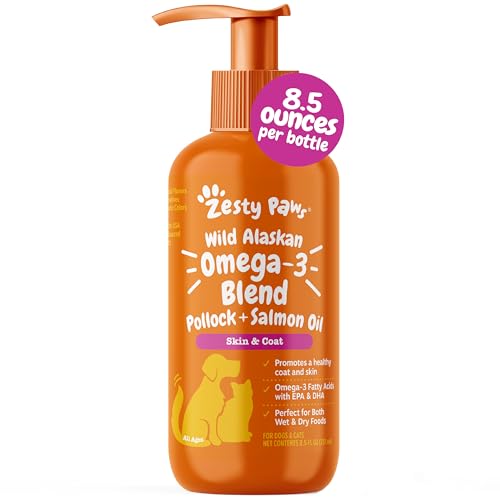
Zesty Paws Zesty Paws Wild Salmon Oil
Measured omega-3s for skin, coat, and senior joint comfort

Tiki Cat Tiki Cat Silver Senior Wet Food
Complete senior food with the fish flavor cats crave

ORIJEN ORIJEN Freeze Dried Cat Treats
High-protein raw-inspired treat to rotate proteins safely
Product picks are researched, not veterinary advice. As an Amazon Associate we earn from qualifying purchases.
The benefits of salmon for cats
Cooked salmon offers high-quality animal protein and omega-3 fatty acids, mainly EPA and DHA. Those omega-3s support a healthy skin and coat and may ease the joint stiffness that troubles many older cats. Cats also find salmon delicious, so a little can revive a flagging appetite. The benefits are real, but they come with conditions.
How to feed salmon safely
- Cook it through: bake, steam, or poach until opaque and flaky. Never raw.
- Remove bones and skin: bones are a choking and injury hazard.
- No seasoning: no salt, butter, oil, onion, or garlic.
- Skip smoked salmon: it is extremely high in sodium.
- Keep it small: a tablespoon of flaked salmon, a couple of times a week.
Why moderation matters for seniors
Salmon is rich and high in phosphorus, a mineral that older cats with chronic kidney disease need to keep low. It is also fattier than chicken, which can upset digestion or add unwanted calories for a less active senior. If your cat has kidney disease, heart disease, or pancreatitis history, ask your vet before offering salmon at all.
A senior-cat note on omega-3s
If your goal is the joint and coat benefit of omega-3s, a salmon or fish oil supplement made for cats is the smarter daily choice. It gives a consistent, measured dose without the extra fat and phosphorus of feeding fish often. For aging cats with arthritis, this is a gentle, vet-friendly way to support comfort.
The bottom line
Plain cooked salmon is a safe, tasty occasional treat for most cats. Keep portions small, preparation plain, and the foundation of the diet a complete senior food. For everyday salmon goodness, reach for a dosed fish oil rather than the dinner plate.
Senior Cat Wellness & Care Planner
Track your aging cat's health, meds, vet visits, mobility, nutrition, and quality of life, all in one printable planner.
Editor's Pick · Affiliate link
A Stainless Steel Fountain for a Senior Cat
Chronic kidney disease is the most common serious diagnosis in older cats, and moving water is the easiest way to raise daily intake. Stainless steel stays cleaner than plastic, which matters on a bowl that runs all day.
Frequently Asked Questions
How should I prepare salmon for my cat?
Cook it plainly: bake, poach, grill, or steam with no oil, butter, salt, onion, or garlic. Remove all bones and the skin, then flake a small amount and let it cool before serving. Fully cooked, boneless, unseasoned salmon is the only safe way to share it. Avoid smoked salmon, which is very high in salt, and never give raw salmon, which can carry parasites and bacteria.
Can cats eat raw salmon?
No, raw salmon is not safe for cats. It can carry parasites and bacteria, and raw freshwater fish in particular can transmit dangerous infections. Senior cats with weaker immune systems are at higher risk, and raw fish also handles poorly for kitchen hygiene. Always cook salmon thoroughly until it flakes and is opaque throughout before offering any to your cat.
How often can a senior cat eat salmon?
Treat cooked salmon as an occasional treat, a tablespoon or so a couple of times a week at most. It is rich and high in fat and phosphorus, so it is not ideal as a daily food, especially for older cats with kidney disease. If you want the benefits of salmon every day, a vet-recommended fish oil supplement or a complete fish-based food is a more balanced way to get there.
Is salmon good for senior cats?
In moderation, yes. Salmon provides high-quality protein and omega-3 fatty acids that can support skin, coat, and joint comfort, which matters for aging cats prone to stiffness. The catch is that plain salmon is not nutritionally complete and is high in phosphorus. Many owners get the omega-3 benefit more safely through a dosed salmon or fish oil supplement made for cats, which avoids overfeeding rich fish.
Can cats eat canned salmon?
Only plain salmon canned in water with no added salt, and well drained. Canned salmon often contains bones; soft, fully cooked canned bones are sometimes considered safer than hard cooked bones, but it is still wise to remove visible bones and feed only a small amount. Avoid salmon canned in oil, brine, or sauces, and skip anything seasoned with onion or garlic, which are toxic to cats.
Are omega-3 supplements better than feeding salmon?
For everyday omega-3 support, a fish oil or salmon oil supplement formulated for cats is usually the better route. It delivers a consistent, measured dose of EPA and DHA without the extra fat, calories, and phosphorus of feeding fish regularly. This is especially helpful for senior cats managing joint stiffness or skin issues. Ask your vet about the right product and dose for your cat's weight and health.
Need more help with your aging cat?
Browse our guides by topic to find practical solutions.
Wellness Planner: $39