Can Cats Eat Turkey? Senior Cat Feeding Guide
Yes, cats can eat plain cooked turkey, and it is a lean, healthy protein. Learn safe preparation, holiday cautions, and how much to feed an older cat.
Yes, cats can eat plain cooked turkey, and it is a lean, healthy protein. Skip the skin, bones, and seasoning, and keep holiday turkey off the menu unless it is plain. Turkey is one of the safest meats to share with a cat, which makes it a great topper or treat for an aging eater.
As obligate carnivores, cats thrive on lean animal protein, and turkey fits that bill well. The key is plain preparation and remembering that even good meat is not a complete diet alone.
Lean Protein Treats for Senior Cats

Dr. Elsey's Dr. Elsey's cleanprotein Turkey Bites
High-protein turkey treat, low in carbs, for senior cats

Fancy Feast Fancy Feast Senior 7+ Wet Food
Complete senior food with poultry protein cats love
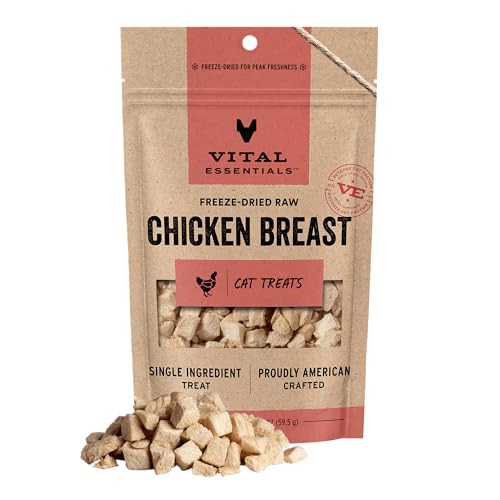
Vital Essentials Vital Essentials Freeze Dried Chicken
Single-ingredient meat treat to rotate with turkey
Product picks are researched, not veterinary advice. As an Amazon Associate we earn from qualifying purchases.
Why turkey is a good choice
Turkey is lean, high in protein, and easy for cats to digest, which makes it one of the better human foods to share. White meat in particular is low in fat. The protein supports muscle, something senior cats commonly lose with age, and most cats find turkey tasty enough to perk up a picky appetite. As a treat or topper, it fits a carnivore's needs nicely.
How to serve turkey safely
- Cook it fully and plainly: no oil, butter, salt, or seasoning.
- Choose white meat, skip the skin: for the leanest, gentlest option.
- Remove all bones: cooked turkey bones splinter and can injure your cat.
- No onion or garlic: both are toxic and common in holiday cooking.
- Serve small and cool: shred into bite-sized pieces.
Holiday turkey caution
Thanksgiving turkey is usually seasoned with salt, butter, garlic, and herbs, and cooked alongside onion and stuffing, none of which is safe for cats. Gravy is salty and fatty, and bones are a hazard. If you want to include your cat in the holiday, set aside a small piece of plain turkey before adding any seasoning, and keep the rest of the table off-limits.
A senior-cat note
For aging cats, lean turkey is a useful protein that supports muscle and tempts a fussy eater. Keep it to a tablespoon a few times a week as a topper, alongside a complete senior diet. If your older cat has kidney disease or another condition, ask your vet how much extra protein is appropriate, since some seniors need their intake managed.
The bottom line
Plain cooked turkey is a safe, healthy treat for cats when served boneless, skinless, and unseasoned. Use it as a topper or reward on top of a balanced diet, and your aging cat gets a protein boost it can genuinely use.
Senior Cat Wellness & Care Planner
Track your aging cat's health, meds, vet visits, mobility, nutrition, and quality of life, all in one printable planner.
Editor's Pick · Affiliate link
A Stainless Steel Fountain for a Senior Cat
Chronic kidney disease is the most common serious diagnosis in older cats, and moving water is the easiest way to raise daily intake. Stainless steel stays cleaner than plastic, which matters on a bowl that runs all day.
Frequently Asked Questions
How should I prepare turkey for my cat?
Cook it plainly and fully, with no oil, butter, salt, onion, garlic, or other seasoning. Use white meat without skin for the leanest option, remove every bone, and let it cool before serving small, shredded pieces. Plain roasted or boiled turkey is one of the safest meats to share. Avoid the fatty skin, drippings, and any seasoned or stuffed turkey, which often contain ingredients harmful to cats.
Can cats eat turkey from Thanksgiving dinner?
Only a small piece of plain, unseasoned white meat with no skin or bones. Holiday turkey is usually rubbed with salt, butter, garlic, or herbs, and cooked with onion or stuffing, all of which are unsafe for cats. Garlic and onion are toxic. If you want to share the holiday, set aside a little plain turkey before seasoning. Keep gravy, skin, and bones away from your cat entirely.
How much turkey can a senior cat have?
A tablespoon of plain cooked turkey, a few times a week, is a reasonable treat amount. Treats should stay under about 10 percent of daily calories, with the rest a complete diet. Turkey is lean and high in protein, which suits aging cats who may be losing muscle, but it lacks the full balance of nutrients a cat needs. Use it as a topper or reward, not a meal replacement.
Can cats eat turkey deli meat?
It is best avoided. Deli turkey and packaged lunch meats are high in sodium and often contain preservatives and seasonings like garlic or onion powder, which are toxic to cats. The salt is especially hard on senior cats with kidney or heart concerns. Plain home-cooked turkey is a much safer way to give the same flavor. If you only have deli meat, choose the lowest-sodium plain option and offer only a tiny amount.
Are turkey bones safe for cats?
No. Cooked turkey bones are brittle and can splinter, causing choking or serious injury to the mouth, throat, or digestive tract. This includes small bones in wings and necks. Always remove every bone before giving turkey to your cat. If your cat swallows a turkey bone, watch for drooling, pawing at the mouth, vomiting, or loss of appetite, and contact your vet if any of these appear.
Is turkey good for senior cats?
Yes, plain cooked turkey is a good lean protein for older cats in moderation. It is easy to digest and appealing, which helps tempt a finicky senior, and it supports the muscle that aging cats tend to lose. Just keep it plain and use it as a topper alongside a complete diet. If your senior has a specific health condition, check with your vet about how much extra protein is appropriate.
Need more help with your aging cat?
Browse our guides by topic to find practical solutions.
Wellness Planner: $39