Best Supplements for Senior Cat Heart Health
Which supplements genuinely support an older cat's heart? Compare taurine, omega-3, CoQ10, and L-carnitine, what the evidence says, how to choose quality, and why vet care comes first.
A cat's heart is a small, hard-working muscle, and heart disease becomes more of a concern as cats age. It is natural to want to do everything you can to support it, and supplements are a common place owners turn. The honest picture is nuanced: a few supplements have a genuine, well-grounded role in feline heart health, while others have a softer evidence base and work best as supportive add-ons.
This guide compares the supplements most often suggested for senior cat hearts, explains what each one does and how strong the evidence is, and shows how to choose a quality product. Above all, it stresses that supplements complement veterinary care, never replace it. This article is educational and meant to support, not replace, your veterinarian's care.
Heart-Support Supplement Picks for Senior Cats

Nordic Naturals Omega-3 Fish Oil for Cats
EPA and DHA to support heart rhythm and reduce inflammation

VetriScience CoQ10 for Dogs and Cats
Antioxidant support for the energy-hungry heart muscle

VICSOM Taurine & CoQ10 Heart Support Chews
Combined heart-support formula made for adult and senior cats
Start With the Vet, Not the Supplement
The most important message in this guide comes first: heart disease in cats needs a veterinary diagnosis and, usually, prescription medication. The most common feline heart disease, hypertrophic cardiomyopathy or HCM, thickens the walls of the heart and can lead to heart failure or dangerous clots. It is not caused by a supplement deficiency and is not cured by supplements. No amount of fish oil or CoQ10 substitutes for an echocardiogram and the right medication. Supplements belong in the picture only as supportive players alongside proper care.
How We Chose
We did not test these supplements in a lab or on a panel of cats. Instead, we evaluated them based on the strength of the scientific rationale for each ingredient, formulation quality, whether products are made specifically for cats with clearly labeled doses, manufacturer specifications, and the pattern of verified owner reviews for palatability and consistency. We weighted ingredients with the best-established role in feline heart health most heavily and were candid where the evidence is thinner.
Taurine: The Non-Negotiable One
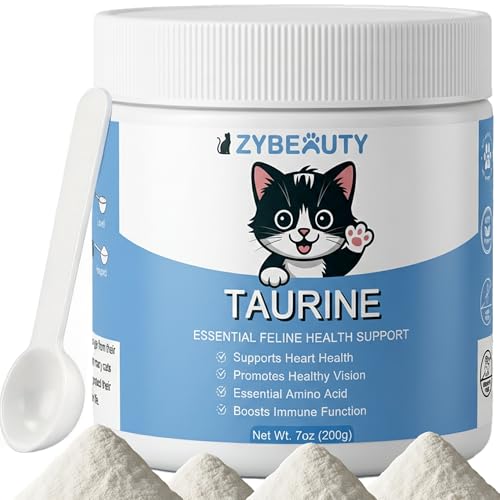
If there is one heart nutrient that truly matters for cats, it is taurine. Cats cannot manufacture enough taurine on their own and must obtain it from their diet, and a deficiency damages the heart muscle, causing dilated cardiomyopathy, a serious disease that can sometimes be reversed when taurine is restored. It also affects vision. Complete commercial cat foods are fortified with taurine precisely because of this, so deficiency is uncommon in cats eating balanced diets. Cats on homemade, unbalanced, or vegetarian diets are the ones at real risk, and a taurine supplement under veterinary guidance can be genuinely important for them.
Haven Pet Insurance for Senior Cats.Coverage for accidents, illness, and the chronic conditions that drive the biggest senior-cat vet bills (kidney disease, hyperthyroidism, diabetes). Get a fast, free quote using your cat’s breed, age, and zip, then see your monthly premium before you commit.Sponsored
Omega-3 Fatty Acids
Omega-3 fatty acids, especially EPA and DHA from fish oil, have anti-inflammatory effects and a reasonable role in supporting cats with heart disease. They may help steady heart rhythm, slow the muscle loss that can accompany heart disease, and reduce inflammation, and many veterinary cardiologists include them in a heart-support plan. The keys are choosing a product made for cats with appropriate EPA and DHA levels, introducing it slowly to avoid digestive upset, and confirming the dose with your veterinarian, since more is not better.
CoQ10 and L-Carnitine
Two more supplements come up often in conversations about feline heart support.
- Coenzyme Q10: An antioxidant involved in cellular energy production. Because the heart is so energy-demanding, CoQ10 has a logical rationale, and it has a good safety profile, though strong feline studies are limited. Treat it as a reasonable supportive add-on rather than a proven therapy.
- L-carnitine: An amino acid that helps cells turn fat into energy and supports heart muscle metabolism. It is sometimes recommended alongside taurine for certain heart conditions, again as a supportive measure under veterinary direction.
Senior Cat Wellness & Care Planner
Track your aging cat's health, meds, vet visits, mobility, nutrition, and quality of life, all in one printable planner.
Choosing a Quality Supplement
If you and your veterinarian decide a supplement is worthwhile, a few principles help you pick a good one.
- Made for cats: Choose products formulated for felines, with the active ingredient and amount clearly labeled so you can confirm an effective dose.
- Quality assurance: Favor brands offering third-party testing or veterinary formulation.
- Minimal fillers: Avoid unnecessary additives and flavorings your cat might react to.
- Right form: Pick a powder, chew, or liquid that suits how your cat takes supplements.
- Owner feedback: Verified reviews reveal real-world palatability and consistency.
Then loop in your veterinarian. Supplements can interact with medications or cause digestive upset, and your vet can make sure your choice fits your cat's diet and any prescribed treatment.
Supporting your senior cat's heart is a worthy goal, and a small set of well-chosen supplements can play a supporting role. Just keep the order right: a veterinary diagnosis and the proper medication come first, with supplements as the complement, not the cure. That approach gives your cat's heart the best of both worlds.
Related Guides
- Heart Disease and HCM in Senior Cats - The top feline heart disease explained.
- Old Cat Breathing Fast - A key early warning sign of heart trouble.
- Old Cat Panting - When panting points to the heart.
Pet Insurance · Sponsored
Protect Your Senior Cat From Surprise Vet Bills
Older cats are more prone to kidney, dental, and thyroid trouble, and a single emergency visit can run into the hundreds or thousands. Pet insurance can help you say yes to the care your cat needs without draining your savings. Get a free quote and see what coverage fits.
Frequently Asked Questions
Do supplements actually help a cat's heart?
Supplements can support feline heart health, but they are not a substitute for veterinary diagnosis and prescribed medication. Taurine is the standout: a true deficiency causes a serious heart muscle disease, and adequate taurine is essential. Omega-3 fatty acids, CoQ10, and L-carnitine have supportive roles and reasonable rationale, though evidence in cats varies. The honest summary is that supplements complement, rather than replace, proper care. Always discuss them with your veterinarian, especially if your cat already has diagnosed heart disease.
Why is taurine so important for cats' hearts?
Taurine is an amino acid that cats, unlike many animals, cannot make in adequate amounts and must get from their diet. A deficiency damages the heart muscle and can cause dilated cardiomyopathy, a serious and sometimes reversible heart disease, as well as vision problems. Complete commercial cat foods are supplemented with taurine for this reason, so deficiency is uncommon today, but cats on unbalanced, homemade, or vegetarian diets are at risk. A taurine supplement can be valuable for those cats under veterinary guidance.
Can omega-3 fish oil help a cat with heart disease?
Omega-3 fatty acids, particularly EPA and DHA from fish oil, have anti-inflammatory effects and may help cats with heart disease by supporting heart rhythm, reducing muscle loss, and easing inflammation. Many veterinary cardiologists include omega-3s as part of a heart-support plan. Choose a product made for cats with appropriate EPA and DHA levels, introduce it gradually, and check with your veterinarian about dosing, since too much can cause digestive upset or interact with other concerns. Quality and correct dosing matter more than brand hype.
Is CoQ10 worth giving to a cat with a heart condition?
Coenzyme Q10 is an antioxidant involved in how cells produce energy, and the heart muscle is highly energy-demanding, which is the rationale for using it in heart disease. Some veterinarians recommend it as a supportive supplement, though robust feline studies are limited, so think of it as a reasonable adjunct rather than a proven treatment. It has a good safety profile. If you want to try CoQ10, use a product formulated for cats and confirm the dose with your veterinarian as part of an overall plan.
What is the most common heart disease in cats?
Hypertrophic cardiomyopathy, or HCM, is by far the most common feline heart disease. In HCM the walls of the heart thicken, making it harder for the heart to fill and pump efficiently, and it can lead to heart failure or dangerous blood clots. Importantly, HCM is usually not caused by a supplement deficiency and is not cured by supplements. It is diagnosed by a veterinarian, often with an echocardiogram, and managed with prescription medication. Supplements may play a supporting role only alongside that care.
Can I give my cat heart supplements without seeing a vet?
It is not recommended for a cat with known or suspected heart disease. Heart conditions in cats need proper diagnosis, because the treatment for HCM differs from other problems, and supplements cannot replace prescribed medication. Some supplements can also interact with medications or cause digestive upset. For a healthy cat on a complete commercial diet, extra heart supplements are usually unnecessary. The safest path is to let your veterinarian guide which supplements, if any, fit your individual cat's situation and diagnosis.
How do I choose a quality cat heart supplement?
Look for products formulated specifically for cats, with clearly labeled active ingredients and amounts so you can confirm an effective dose. Favor brands that provide third-party quality testing or veterinary formulation, avoid products with unnecessary fillers or flavorings your cat may react to, and check that the form, such as powder, chew, or liquid, suits your cat. Read verified owner reviews for palatability and consistency. Most importantly, share your choice with your veterinarian to ensure it fits your cat's diet and any prescribed treatment.
Need more help with your aging cat?
Browse our guides by topic to find practical solutions.
Wellness Planner: $39