Constipation in Senior Cats: Causes & Relief
Constipation is common and uncomfortable in older cats. Learn the signs, why dehydration and kidney disease are usual culprits, safe home remedies, and when straining in the litter box becomes an emergency.
Constipation is one of the most common and most uncomfortable problems in aging cats, and it is often a window into something larger going on in the body. A senior cat straining in the litter box may simply be a little dehydrated, or the straining may be an early clue to kidney disease, arthritis, or a colon that is losing its strength.
Because cats are private about their bathroom habits and stoic about discomfort, constipation can sneak up on owners until the cat is clearly miserable. This guide explains how to recognize constipation, why older cats are prone to it, what you can safely do at home, and when straining becomes an emergency. It is educational and meant to support, not replace, your veterinarian's care.
Constipation Relief Picks for Senior Cats

Medsmehappy Fiber Supplement for Cats
Prebiotic fiber blend that supports regular, easier bowel movements

Fera Pets Pumpkin Fiber Supplement
Natural pumpkin fiber powder to gently firm and regulate stool
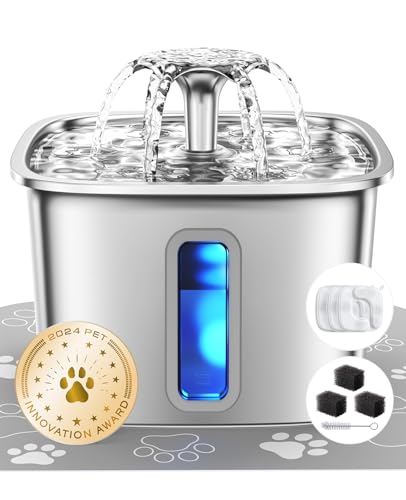
Veken Stainless Steel Cat Water Fountain
Flowing water encourages drinking, the single best way to prevent constipation

NE14pets Low-Entry Senior Litter Box
Low sides make squatting easier for arthritic, constipated seniors
Recognizing Constipation
The litter box tells most of the story, so it pays to know what normal looks like for your cat. A constipated cat typically shows several of the following.
- Straining with little result: Frequent trips to the box, prolonged squatting, and small, hard, dry stools, sometimes coated in mucus or streaked with blood.
- Vocalizing or discomfort: Crying while trying to go, or hunching uncomfortably afterward.
- Fewer or no bowel movements: Going a day or more without passing stool when the cat normally goes daily.
- Whole-body signs: Reduced appetite, lethargy, hiding, and sometimes vomiting when constipation lingers.
One important caution: a male cat straining in the litter box may have a urinary blockage, not constipation, and that is a life-threatening emergency. If you cannot tell whether your cat is straining to pass stool or urine, treat it as urgent and call your veterinarian.
Why Older Cats Get Constipated
Several factors common in old age conspire to slow things down, and dehydration sits at the center of most of them.
- Dehydration and kidney disease: Failing kidneys waste water, leaving the colon to pull extra moisture from the stool until it is dry and hard. This is the most common driver in senior cats.
- Arthritis: Sore hips and a stiff spine make squatting in the litter box painful, so a cat may hold it longer than it should.
- Reduced activity: Movement helps keep the bowels moving, and older cats often slow down.
- Hairballs and debris: Ingested hair can contribute to sluggish, clogged stool.
- Megacolon: In long-standing cases the colon stretches and weakens, losing its ability to contract effectively.
Senior Cat Wellness & Care Planner
Track your aging cat's health, meds, vet visits, mobility, nutrition, and quality of life, all in one printable planner.
Safe Home Strategies
For mild, occasional constipation, several gentle measures can help, ideally with your veterinarian's blessing. The theme running through all of them is moisture.
| Strategy | How It Helps |
|---|---|
| Feed wet food | Dramatically raises water intake and keeps stool softer |
| Add water or broth to meals | Boosts hydration for cats reluctant to drink from a bowl |
| Offer a fountain | Moving water entices many cats to drink more |
| Add fiber | A little plain pumpkin or a cat fiber supplement can regulate stool |
| Encourage gentle activity | Play and movement help stimulate the bowels |
A crucial warning: never give your cat human laxatives, mineral oil, or enemas meant for people. Many contain ingredients that are toxic to cats or can cause serious harm. The veterinary laxative lactulose and prescription stool softeners are safe options your veterinarian can recommend when home measures are not enough.
Making the Litter Box Easier
An arthritic senior may avoid the litter box because climbing in and squatting hurts, which only worsens constipation. A few adjustments remove that obstacle.
- Choose a low-entry box: Low sides let a stiff cat step in without painful clambering.
- Go bigger: A larger box gives an older cat room to posture comfortably.
- Add more boxes: Place boxes on every level of a multi-story home so the box is always close by.
- Use soft, fine litter: A comfortable surface is gentler on tender paws.
When to See the Veterinarian
Constipation is one of those problems that is far easier to treat early. Contact your veterinarian if your cat has not passed stool in more than two days, strains repeatedly without success, cries in the box, vomits, stops eating, or seems lethargic or painful.
Recurring constipation also deserves a proper workup, not just repeated home remedies. Your veterinarian can check for the underlying cause, whether dehydration, kidney disease, arthritis, or early megacolon, and address it directly. Severe or neglected constipation can progress to a painful impaction called obstipation and eventually to megacolon, which is much harder to manage, so steady prevention and prompt care are the kindest path for your senior cat.
Related Guides
- Kidney Disease in Senior Cats - The dehydration behind so much feline constipation.
- Old Cat Drinking Lots of Water - Understanding the hydration changes of aging cats.
- Signs Your Old Cat Is in Pain - How arthritis can make the litter box hurt.
Pet Insurance · Sponsored
Protect Your Senior Cat From Surprise Vet Bills
Older cats are more prone to kidney, dental, and thyroid trouble, and a single emergency visit can run into the hundreds or thousands. Pet insurance can help you say yes to the care your cat needs without draining your savings. Get a free quote and see what coverage fits.
Frequently Asked Questions
How do I know if my senior cat is constipated?
Watch the litter box. A constipated cat strains in the box, makes frequent trips with little to show, and passes small, hard, dry stools, sometimes streaked with mucus or blood. You may see the cat crying or vocalizing while trying to go, or hunching in discomfort afterward. Some cats stop eating, become lethargic, or even vomit. If your cat has not passed stool in more than two days or strains repeatedly without success, call your veterinarian.
What causes constipation in older cats?
Dehydration is the leading cause, and it is closely tied to chronic kidney disease, which is common in senior cats and makes them lose water. Reduced activity, arthritis that makes posturing in the litter box painful, and low-fiber diets all contribute. Hairballs, hairball-related blockages, and ingested debris can clog things up. Less commonly, an enlarged colon called megacolon, pelvic injuries, or neurological problems are to blame. Identifying the cause is key to lasting relief.
What can I give my cat for constipation at home?
Start with hydration: feed wet food, add water or low-sodium broth to meals, and offer a fountain to encourage drinking. Many veterinarians recommend a fiber source such as a small amount of plain canned pumpkin or a cat-specific fiber supplement, and some cats benefit from a stool softener or the laxative lactulose, which your vet can prescribe. Never give human laxatives without guidance, since many are dangerous to cats. Always check with your veterinarian before treating at home.
Is constipation an emergency in cats?
It can become one. Mild, occasional constipation is usually manageable, but a cat that has not defecated for several days, is straining painfully, vomiting, refusing food, or seems lethargic needs prompt veterinary care. Severe or repeated constipation can lead to a painful impaction called obstipation, and over time to megacolon, where the colon stretches and loses its ability to contract. Catching and treating constipation early prevents these harder problems.
How does kidney disease cause constipation?
Chronic kidney disease damages the kidneys' ability to conserve water, so affected cats lose extra fluid in their urine and tend toward dehydration. When the body is short on water, the colon pulls more moisture out of the stool, leaving it dry and hard to pass. This is why constipation and kidney disease so often travel together in senior cats, and why supporting hydration is the cornerstone of preventing constipation in an older cat.
Can diet prevent constipation in senior cats?
Yes, diet is one of the best preventives. Wet food dramatically raises water intake compared with dry kibble, which helps keep stool soft. Some cats do well with added fiber, while others, especially those prone to dehydration, do better with extra moisture than extra fiber. There is no single perfect diet, so work with your veterinarian to find the balance of moisture and fiber that keeps your individual cat regular.
When should I take my constipated cat to the vet?
See your veterinarian if your cat has not passed stool in more than two days, strains repeatedly without producing anything, cries in the litter box, vomits, stops eating, or seems painful or lethargic. Recurring constipation also deserves a workup to find and treat the underlying cause, whether that is dehydration, kidney disease, arthritis, or megacolon. Early veterinary care is far easier on your cat than waiting for a severe impaction.
Need more help with your aging cat?
Browse our guides by topic to find practical solutions.
Wellness Planner: $39