How to Check If Your Cat Is Dehydrated
Learn the at-home checks for dehydration in a senior cat: the skin tent test, gum feel and color, sunken eyes, why kidney cats are at risk, and when dehydration becomes an emergency.
Dehydration is one of the most common and most overlooked threats to a senior cat's health. Because cats descend from desert animals, they have a naturally low thirst drive and are easy to under-hydrate, and the diseases of old age, especially kidney disease, make the problem worse. Learning a few simple at-home checks lets you catch trouble early and know when it is time to call your veterinarian.
This guide walks through the practical tests you can do at the kitchen table, explains why older and kidney-disease cats are so vulnerable, and lays out the warning signs that make dehydration an emergency. These checks are useful tools, not a diagnosis. When you have any doubt, your veterinarian can confirm hydration status far more precisely than any home test.
Hydration Helpers for Senior Cats
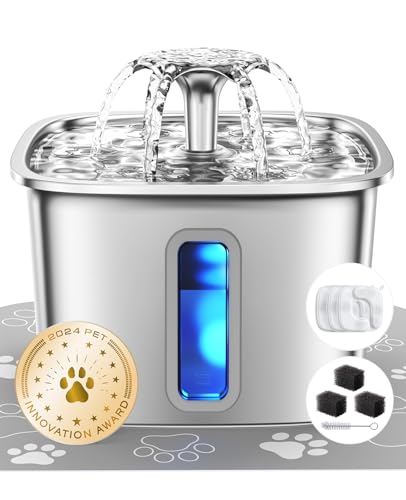
Veken Stainless Steel Cat Water Fountain
Moving, fresh-tasting water encourages reluctant cats to drink

Delectables Delectables Savory Broths
A lickable broth treat that adds water to your cat's day

Vetoquinol Nutri-Cal High-Calorie Gel
Supports a cat that is eating and drinking less, per vet advice
The Three At-Home Checks
You can assess your cat's hydration with three quick, gentle tests. Used together they give a useful picture, though no single one is definitive.
1. The Skin Tent (Turgor) Test
This is the classic check. Gently pinch and lift the loose skin over the shoulders or between the shoulder blades, then let go. In a well-hydrated cat the skin springs flat instantly. In a dehydrated cat it returns slowly, over a second or more, or stays peaked in a tent. A lasting tent suggests dehydration of roughly 5 percent or more. Test over the shoulders rather than the neck scruff, which is naturally loose.
One important caveat for senior cats: thin, older cats lose the fat and elastic tissue under the skin, so their skin can tent slowly even when hydration is fine. This is why you never rely on the skin tent alone.
2. The Gum Check
Lift the upper lip and touch the gum above a tooth. Healthy gums are moist and slick. Dehydrated gums feel sticky, tacky, or dry. While you are there, press a fingertip on the gum until it turns white, release, and count how long the pink returns. Under two seconds is normal. A slow return, or gums that look pale, white, blue, or brick red, is a reason to seek care promptly.
3. The Eyes
Significant fluid loss can make the eyes look sunken or dull as the tissue behind them loses volume. Sunken eyes in combination with a slow skin tent and tacky gums paint a consistent picture of dehydration.
Why Senior and Kidney Cats Are at Risk
Dehydration is especially common in older cats because the very diseases of aging drive fluid loss.
- Chronic kidney disease: Damaged kidneys can no longer concentrate urine, so the cat passes large volumes of watery urine and loses fluid faster than drinking can replace. This is the leading cause of dehydration in senior cats.
- Diabetes and hyperthyroidism: Both increase urination and fluid turnover, and both are common in older cats.
- A blunted thirst drive: Aging cats often simply drink less than their bodies need.
- Dental pain or nausea: Discomfort can cut both eating and drinking, compounding the loss.
- Vomiting or diarrhea: Any illness with fluid loss tips a marginal cat into dehydration quickly.
Haven Pet Insurance for Senior Cats.Coverage for accidents, illness, and the chronic conditions that drive the biggest senior-cat vet bills (kidney disease, hyperthyroidism, diabetes). Get a fast, free quote using your cat’s breed, age, and zip, then see your monthly premium before you commit.Sponsored
When Dehydration Is an Emergency
Some signs mean you should not wait. Seek urgent veterinary care if you see any of the following.
- A skin tent that stays up rather than slowly returning.
- Very dry, tacky, or pale gums with a slow capillary refill.
- Sunken eyes paired with lethargy.
- Marked weakness, collapse, or unresponsiveness.
- Cold paws and ears, which can signal poor circulation.
- Ongoing vomiting or diarrhea with refusal to eat or drink.
Dehydration of roughly 8 percent or more is a genuine emergency that needs intravenous fluids at the clinic, which home measures cannot match. A cat showing these signs needs to be seen the same day.
Senior Cat Wellness & Care Planner
Track your aging cat's health, meds, vet visits, mobility, nutrition, and quality of life, all in one printable planner.
Helping Your Cat Stay Hydrated
For everyday prevention and mild cases, a few changes make a real difference.
- Feed wet food. Canned food is around 70 to 80 percent water and is the single most effective way to raise intake. Dry-fed cats are chronically closer to the edge.
- Try a water fountain. Many cats prefer moving water and drink noticeably more from a fountain than a still bowl.
- Offer multiple water stations, in wide shallow bowls placed away from food and the litter box.
- Add water or broth to meals, stirring a splash of warm water or a lickable broth topper into food.
- Ask about subcutaneous fluids. For cats with kidney disease, your veterinarian may prescribe fluids you give under the skin at home, a proven way to stay ahead of dehydration.
Hydration is one of the most important and most controllable parts of caring for a senior cat. Learn these quick checks, build water into every meal, and keep your veterinarian in the loop. When the skin tent lingers or the gums turn dry, trust those signs and pick up the phone.
Related Guides
- Kidney Disease in Senior Cats - The top cause of chronic dehydration.
- How to Give Subcutaneous Fluids at Home - The vet-prescribed fix for kidney cats.
- Old Cat Drinking Lots of Water - When increased thirst is the warning sign.
Pet Insurance · Sponsored
Protect Your Senior Cat From Surprise Vet Bills
Older cats are more prone to kidney, dental, and thyroid trouble, and a single emergency visit can run into the hundreds or thousands. Pet insurance can help you say yes to the care your cat needs without draining your savings. Get a free quote and see what coverage fits.
Frequently Asked Questions
How can I tell if my cat is dehydrated at home?
Three quick checks help. First, the skin tent: gently lift the loose skin over the shoulders and let go. In a hydrated cat it snaps back instantly, while in a dehydrated cat it sinks back slowly or stays tented. Second, the gums: a healthy cat's gums are moist and slippery, while dehydration makes them tacky or dry. Third, the eyes: sunken eyes suggest fluid loss. None of these is perfect, especially in thin senior cats, so use them together and confirm worries with your veterinarian.
What is the skin tent test and how do I do it?
The skin tent, or skin turgor test, checks elasticity, which drops as a cat loses fluid. Gently pinch and lift the loose skin over the shoulders or between the shoulder blades, then release it. Well-hydrated skin springs flat immediately. Skin that returns slowly, over a second or more, or that stays peaked suggests dehydration of roughly 5 percent or more. Test over the shoulders, not the neck scruff. Remember that older, thinner cats with less fat can show a slow tent even when hydration is normal, so interpret it alongside other signs.
Why are senior and kidney-disease cats prone to dehydration?
Cats with chronic kidney disease lose the ability to concentrate their urine, so they pass large volumes of dilute urine and lose water faster than they can replace it by drinking. The same is true for diabetes and hyperthyroidism, both common in older cats. Aging cats also tend to have a blunted thirst drive and may drink less, while dental pain or nausea can further reduce fluid intake. This combination makes ongoing, low-grade dehydration a frequent and serious problem in senior cats.
When is dehydration in a cat an emergency?
Seek urgent veterinary care if your cat shows a skin tent that stays up, very dry or pale gums, sunken eyes, marked lethargy or collapse, cold paws and ears, or has not eaten or drunk and is vomiting or has diarrhea. These point to significant fluid loss that home measures cannot fix. Dehydration of around 8 percent or more is a medical emergency that needs intravenous fluids. A cat that seems weak, unresponsive, or is breathing hard along with these signs should be seen immediately.
How do I check my cat's gums for dehydration?
Gently lift the upper lip and touch the gum above a tooth. Healthy gums feel moist and slick and are usually a salmon pink. Dehydrated gums feel sticky, tacky, or dry to the touch. While you are there, press a fingertip on the gum until it blanches white, then release and count how long the pink returns. Under two seconds is normal. Pale, white, blue, or bright red gums, or a slow color return, signal a problem that needs a vet right away.
How can I help my cat drink more water?
Cats often drink poorly, so make water appealing. A pet water fountain entices many cats with moving, fresh-tasting water, and placing several wide, shallow bowls around the home away from food and litter helps too. Feeding wet food rather than dry dramatically raises water intake, since canned food is around 70 to 80 percent water. Adding a splash of warm water or a lickable broth to meals boosts it further. For cats with kidney disease, your vet may also prescribe subcutaneous fluids at home.
Can I rehydrate my cat at home?
Mild dehydration can sometimes be improved at home by encouraging fluids through wet food, a fountain, and broth toppers, and for diagnosed kidney patients by giving vet-prescribed subcutaneous fluids. But you should never try to manage moderate or severe dehydration alone, and forcing large amounts of water by syringe risks aspiration. If your cat is visibly unwell, not eating or drinking, or showing a lasting skin tent, it needs professional rehydration. Always treat the underlying cause with your veterinarian rather than just the symptom.
Need more help with your aging cat?
Browse our guides by topic to find practical solutions.
Wellness Planner: $39