How to Take Your Cat's Resting Respiratory Rate
Counting your senior cat's sleeping breaths is the single best at-home heart and lung monitor. Learn how to count, why under 30 per minute is normal, and when a rising rate means trouble.
If you learn just one home monitoring skill for your senior cat, make it this one. Counting your cat's resting respiratory rate, the number of breaths it takes per minute while sleeping or calmly resting, is the single most valuable at-home window into its heart and lung health. It costs nothing, takes a minute, and can warn you of serious trouble days before your cat shows any other sign of being sick.
This guide explains exactly how to count, what a normal number looks like, and when a rising rate should send you to the phone. It is especially important for cats with heart disease, where a climbing sleeping breathing rate is often the first clue that fluid is gathering around the lungs. This article is educational and supports, not replaces, your veterinarian's care.
Helpful Tools for Heart-Monitored Cats

Morpilot Soft-Sided Cat Carrier
Calm, secure transport when a rising rate means a vet visit
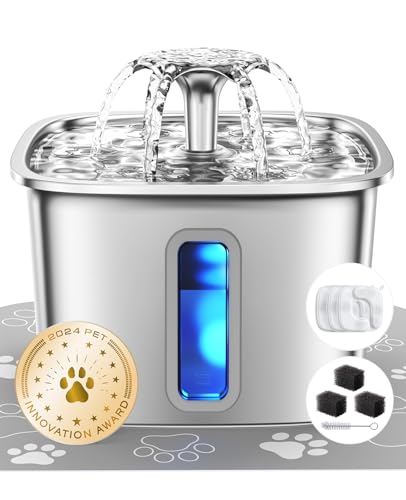
Veken Stainless Steel Cat Water Fountain
Supports hydration in cats with heart or kidney strain

Greenies Greenies Feline Pill Pockets
Make daily heart medication easy to give and easy on your cat
What a Normal Rate Looks Like
A healthy cat that is sleeping or resting calmly breathes fewer than 30 times per minute. Most relaxed cats sit comfortably in the teens to low twenties. The threshold to remember is simple: a sleeping or resting rate consistently at or above 30 breaths per minute is abnormal in a cat and deserves a prompt veterinary call.
The word resting is doing a lot of work here. Breathing naturally speeds up with play, heat, excitement, purring, or stress, and none of that counts. The number only has meaning when your cat is genuinely calm or, best of all, asleep.
How to Count the Breaths
The technique is easy and does not require touching your cat at all.
- Wait for calm or sleep. The ideal moment is when your cat is curled up and sleeping soundly in the evening.
- Watch the chest. Look at the rib cage or the flank. Each time it rises and falls together counts as one single breath.
- Count for 30 seconds and multiply by two, or count a full minute for extra accuracy.
- Write it down with the date. A note on your phone or a small notebook is perfect.
Do this a few times so you learn your cat's personal baseline. A healthy cat holds a steady number from week to week, and knowing that number is what makes a future change meaningful.
Why This Is the Best Home Monitor
No other simple measurement gives such reliable early warning. In cats with hypertrophic cardiomyopathy and other heart disease, the heart can begin to fail quietly, allowing fluid to back up into or around the lungs. Long before the cat acts ill, the body compensates by breathing a little faster at rest. A sleeping respiratory rate that climbs and stays up is frequently the very first sign of this congestive heart failure.
Because you can catch that climb at home, you can alert your veterinarian early, often in time to adjust medication and head off a frightening crisis. Cardiologists specifically ask heart-disease owners to track this number for exactly that reason. It turns you into an early-warning system for your own cat.
Haven Pet Insurance for Senior Cats.Coverage for accidents, illness, and the chronic conditions that drive the biggest senior-cat vet bills (kidney disease, hyperthyroidism, diabetes). Get a fast, free quote using your cat’s breed, age, and zip, then see your monthly premium before you commit.Sponsored
Reading the Numbers: Reference Points
| Resting / sleeping rate | What it suggests | What to do |
|---|---|---|
| Teens to low 20s | Normal, healthy range | Keep logging to hold a baseline |
| Rising above the cat's usual baseline | Possible early change | Recount, and call your vet if it persists |
| Consistently 30 or higher | Abnormal in a cat | Same-day veterinary call |
| Above 40, or with effort or open mouth | Possible respiratory distress | Emergency care now |
For typical senior cats, healthy resting and sleeping rates fall within the normal ranges your veterinarian uses across the board. You can see how breathing fits alongside other vital signs on our senior cat normal lab values reference.
How Often to Check
For a generally healthy senior cat, counting once or twice a week is enough to build a baseline so a change would stand out. For a cat diagnosed with heart disease or any fluid concern, your veterinarian may ask you to count daily, often at the same calm time each evening. Either way, the power is in the trend. A stable cat holds a steady number, and a clear, sustained upward drift, especially past 30, is your cue to act.
Senior Cat Wellness & Care Planner
Track your aging cat's health, meds, vet visits, mobility, nutrition, and quality of life, all in one printable planner.
The Emergency Signs
Some breathing changes mean you should go straight to an emergency clinic rather than wait.
- Open-mouth breathing in a resting cat is a genuine emergency.
- Heaving sides or visible effort with each breath.
- A neck stretched out with elbows pushed away from the body, a posture cats adopt to maximize airflow.
- Blue, gray, or very pale gums.
- A resting rate above 40 that does not settle.
When transporting a cat in respiratory distress, keep handling gentle and minimal, since stress alone can tip a struggling cat over the edge.
Counting your cat's sleeping breaths is a small habit with an outsized payoff. It is free, it is gentle, and for a cat with a heart condition it can be the difference between a routine medication tweak and a midnight emergency. Learn your cat's normal number, keep a simple log, and let any sustained climb be your signal to reach out to your veterinary team.
Related Guides
- Heart Disease and HCM in Senior Cats - Why this monitoring matters most.
- Senior Cat Normal Lab Values - Where breathing fits among the vital signs.
- Old Cat Breathing Fast - When a fast rate signals an emergency.
Pet Insurance · Sponsored
Protect Your Senior Cat From Surprise Vet Bills
Older cats are more prone to kidney, dental, and thyroid trouble, and a single emergency visit can run into the hundreds or thousands. Pet insurance can help you say yes to the care your cat needs without draining your savings. Get a free quote and see what coverage fits.
Frequently Asked Questions
What is a normal resting respiratory rate for a cat?
A healthy cat that is sleeping or resting calmly breathes fewer than 30 breaths per minute, and most relaxed cats sit in the teens to low twenties. The key word is resting: the count only means something when your cat is genuinely calm or asleep, not after play, in heat, or while stressed. A sleeping or resting rate that is consistently above 30 breaths per minute is abnormal in a cat and is worth a prompt call to your veterinarian.
How do I count my cat's breathing rate at home?
Wait until your cat is asleep or resting quietly. Watch the chest and count one breath each time it rises and falls together, in and out as a single breath. Count for 30 seconds and multiply by two, or for the full minute if you want extra accuracy. Doing it while your cat sleeps removes the influence of stress and activity. Write the number down with the date so you build a record, because the trend over time is what matters most.
Why is the sleeping respiratory rate so important?
It is the single best at-home monitor of a cat's heart and lung health, and it can warn you of trouble days before your cat looks sick. In cats with heart disease, a rising sleeping breathing rate is often the earliest sign that fluid is building up around the lungs, a condition called congestive heart failure. Catching that climb early lets your veterinarian adjust medication before a crisis. No other simple home measurement gives such reliable, early warning.
What respiratory rate means I should worry?
A resting or sleeping rate consistently above 30 breaths per minute is the threshold most cardiologists use, and it warrants a same-day veterinary call. If your cat has known heart disease and the sleeping rate climbs above its usual baseline and stays there, treat it as an early warning even before it crosses 30. A rate above 40, open-mouth breathing, heaving sides, or a cat that cannot get comfortable are emergencies that need immediate care.
How often should I measure my cat's respiratory rate?
For a healthy senior cat, checking once or twice a week builds a useful baseline so you would notice a change. For a cat diagnosed with heart disease or fluid concerns, your veterinarian may ask you to count daily, often at the same quiet time each evening. Logging the numbers in a notebook or phone app turns scattered readings into a trend line. A stable cat holds a steady number, and a clear upward drift is the signal to act.
Does a fast breathing rate while my cat is active count?
No. Breathing naturally speeds up with play, excitement, heat, purring, or stress such as a car ride, and that is normal and not what you are tracking. The resting respiratory rate only has meaning when your cat is truly calm or asleep. If your cat is panting or breathing fast while active, let it cool and settle for 10 to 15 minutes, then recount at rest. A rate that stays high in a calm, cool cat is the concern.
What if my cat will not hold still to be counted?
The easiest time is during deep sleep, when most cats breathe slowly and steadily and barely notice you. Choose a quiet evening when your cat is curled up and settled. You only need to watch the chest, so you do not have to touch your cat at all, which avoids waking or stressing it. If your cat is too restless to count even when sleeping, that restlessness itself can be worth mentioning to your veterinarian.
Need more help with your aging cat?
Browse our guides by topic to find practical solutions.
Wellness Planner: $39