Hyperthyroidism in Cats: Life Expectancy
With treatment, hyperthyroid cats often live years longer. Learn the prognosis, the kidney-masking issue where treating the thyroid unmasks CKD, and how to protect a senior cat's quality of life.
When a beloved older cat is diagnosed with hyperthyroidism, the first question on most owners' minds is simple and urgent: how long do we have? The reassuring answer is that hyperthyroidism is one of the most treatable serious diseases of senior cats, and with good care many cats live for years in real comfort.
But the full picture has nuance, especially the close relationship between the thyroid and the kidneys. This guide walks through realistic prognosis with treatment, the important kidney-masking issue, and what shapes a hyperthyroid cat's quality of life. It is educational and meant to support, not replace, your veterinarian's care.
Supporting a Hyperthyroid Cat for the Long Haul

Fancy Feast High-Protein Senior Wet Food
Rebuilds the muscle and weight an overactive thyroid burns away
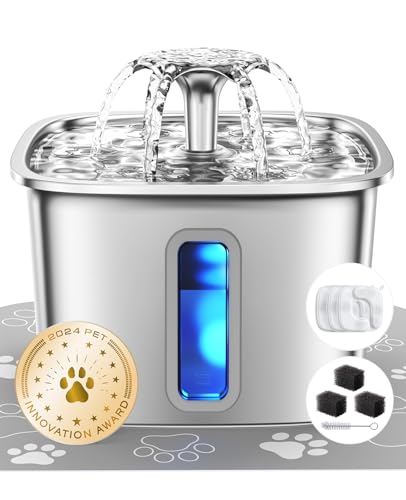
Veken Stainless Steel Water Fountain
Encourages hydration, important when thyroid and kidney disease overlap
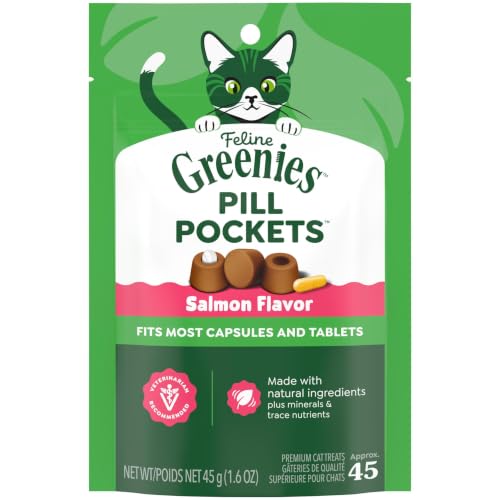

Fancy Feast Senior 7+ Wet Cat Food
Palatable, age-appropriate nutrition to maintain condition long term
Prognosis With Treatment
Hyperthyroidism responds well to treatment, and that changes the outlook profoundly. Cats whose thyroid levels are brought under control, whether by medication, diet, surgery, or a radioiodine cure, often regain lost weight, calm down, and return to a normal, contented life.
Studies of treated cats commonly report median survivals in the range of about two to five years from diagnosis. It is important to read that figure in context: most cats are already in their senior or geriatric years when diagnosed, often eleven or older, so other diseases of old age share the stage. A cat cured young in the course of the disease, with healthy kidneys, can do considerably better. The disease itself, once controlled, is rarely the thing that limits life.
What Untreated Hyperthyroidism Does
To appreciate why treatment matters so much, it helps to see what happens without it. Unchecked thyroid hormone drives the body relentlessly:
- Heart damage: The heart muscle thickens under the constant demand, leading toward heart failure.
- High blood pressure: Hypertension can damage the eyes (causing sudden blindness), kidneys, and brain.
- Wasting: Cats lose muscle and fat despite a huge appetite, growing frail.
- Organ strain: The whole body runs hot and hard, accelerating decline.
Left untreated, the disease is usually fatal within months to a couple of years. Much of this damage is preventable, and some is reversible, once thyroid levels come down.
Senior Cat Wellness & Care Planner
Track your aging cat's health, meds, vet visits, mobility, nutrition, and quality of life, all in one printable planner.
The Kidney-Masking Issue
The single most important nuance in hyperthyroid prognosis is its relationship with the kidneys. An overactive thyroid increases blood flow and pressure through the kidneys, which makes them look like they are working better than they truly are on bloodwork. This masks underlying chronic kidney disease.
When treatment normalizes the thyroid, that artificial boost disappears and the kidneys' real, weaker function is revealed. The kidney disease did not appear because of treatment; it was hidden all along. This is why veterinarians:
- Often start with reversible methimazole, watching how the kidneys respond before choosing a permanent cure.
- Check kidney values alongside thyroid levels at every recheck.
- Sometimes aim for thyroid levels in the high-normal range, balancing thyroid control against kidney protection.
A cat that has both hyperthyroidism and chronic kidney disease is not facing a hopeless situation. Many live well for a long time when both are managed together with a renal diet, hydration support, and careful monitoring. Our kidney disease guide goes deeper on managing the renal side.
Haven Pet Insurance for Senior Cats.Coverage for accidents, illness, and the chronic conditions that drive the biggest senior-cat vet bills (kidney disease, hyperthyroidism, diabetes). Get a fast, free quote using your cat’s breed, age, and zip, then see your monthly premium before you commit.Sponsored
Quality of Life After Treatment
Beyond raw years, what matters most to families is how their cat feels. Here treatment shines. Once thyroid levels normalize, the night yowling quiets, the frantic hunger settles, the restlessness eases, and cats regain weight and a glossier coat. Many owners describe a cat that seems to shed years and become its old self again.
The strain on the heart lifts too, and blood pressure typically improves with control. For most treated cats, quality of life is genuinely good, which is part of why veterinarians find this disease so rewarding to manage compared with many conditions of old age.
Choosing for the Longest, Best Life
For cats without significant kidney disease, radioactive iodine generally offers the strongest outlook, because it cures the disease outright and removes the ongoing strain on the heart and organs. Cats managed on medication also do well, with the trade-off of daily dosing and lifelong monitoring. The right path depends on your individual cat:
| Factor | Leans toward radioiodine cure | Leans toward medication |
|---|---|---|
| Kidney function | Stable and healthy | Already compromised |
| Overall health | Otherwise robust | Fragile or other serious illness |
| Owner preference | Wants a one-time cure | Prefers an adjustable, reversible option |
You can explore both routes in our guides to radioactive iodine treatment and methimazole, and review thyroid targets in the T4 levels chart.
Hyperthyroidism is, in the end, a hopeful diagnosis. With treatment, careful attention to the kidneys, and regular monitoring, most senior cats go on to live comfortable, affectionate lives for years. Work closely with your veterinarian to choose the plan that gives your cat the longest and happiest time possible.
Related Guides
- Hyperthyroidism in Senior Cats - The complete guide to causes, signs, and treatment.
- Hyperthyroidism T4 Levels Chart - Reference ranges for monitoring thyroid hormone.
- Kidney Disease in Senior Cats - The condition so often hidden behind thyroid disease.
Pet Insurance · Sponsored
Protect Your Senior Cat From Surprise Vet Bills
Older cats are more prone to kidney, dental, and thyroid trouble, and a single emergency visit can run into the hundreds or thousands. Pet insurance can help you say yes to the care your cat needs without draining your savings. Get a free quote and see what coverage fits.
Frequently Asked Questions
How long can a cat live with treated hyperthyroidism?
Many cats with well-controlled hyperthyroidism live several more good years, and some live a normal lifespan for their age. Studies of treated cats often show median survival of around two to five years from diagnosis, but remember most are already seniors when diagnosed, so other age-related diseases factor in. Cats cured by radioactive iodine, especially those without kidney disease, tend to do best. With consistent treatment and monitoring, hyperthyroidism is one of the more manageable diseases of older cats.
What happens if hyperthyroidism is left untreated?
Untreated hyperthyroidism steadily damages the body. The flood of thyroid hormone drives the heart to work too hard, leading to thickened heart muscle and eventually heart failure, and it pushes blood pressure up, which can harm the eyes, kidneys, and brain. Cats waste away despite eating ravenously. Without treatment, the disease is usually fatal within months to a couple of years. The encouraging news is that treatment reverses much of this, which is why diagnosis and follow-through matter so much.
Why does treating the thyroid reveal kidney disease?
An overactive thyroid raises blood flow and pressure through the kidneys, which artificially boosts how well they appear to work on bloodwork. This masks underlying chronic kidney disease. When treatment normalizes thyroid levels, that extra push goes away and the true, weaker kidney function shows up. The kidney disease was there all along, hidden by the thyroid. This is why veterinarians monitor kidney values closely during treatment and often run a reversible methimazole trial before choosing a permanent cure.
Is hyperthyroidism with kidney disease a death sentence?
No. Many cats live well with both conditions managed together, though it takes careful balancing. The goal is to control the thyroid without pushing the kidneys too hard, which sometimes means accepting slightly higher thyroid levels to protect kidney function. Treatment is tailored with a renal diet, hydration support, and regular monitoring of both thyroid and kidney values. Plenty of cats with this combination enjoy good quality of life for a long time. It requires partnership with your veterinarian, not resignation.
Does treatment improve a hyperthyroid cat's quality of life?
Yes, often dramatically. Once thyroid levels normalize, the restlessness, night yowling, ravenous hunger, and frantic energy settle. Cats regain weight and muscle, their coats improve, and the strain on the heart eases. Many owners say their cat seems years younger and more like its old self. Quality of life is generally excellent in treated cats, which is one reason hyperthyroidism is considered such a rewarding disease to treat compared with many other conditions of old age.
What is the best treatment for the longest life expectancy?
For cats without significant kidney disease, radioactive iodine offers the best outlook, since it cures the disease in a single treatment and removes the ongoing strain on the heart and other organs. Studies suggest cured cats may live longer than those managed on medication alone, partly because the cure is complete and permanent. That said, the right choice depends on your individual cat's kidneys, age, and overall health. Your veterinarian can match the treatment to the longest, most comfortable life for your cat.
How often should a treated hyperthyroid cat be monitored?
Cats on medication usually need bloodwork at two to three weeks after starting or changing the dose, then every few months until stable, and roughly every six months thereafter. Each check looks at thyroid hormone, kidney values, and a general panel. Cats cured by radioiodine still need routine senior monitoring, since they remain older cats prone to other diseases. Consistent monitoring is the single biggest factor in catching problems early and protecting your cat's long-term life expectancy.
Need more help with your aging cat?
Browse our guides by topic to find practical solutions.
Wellness Planner: $39