Inflammatory Bowel Disease in Cats: A Guide
IBD causes chronic vomiting, diarrhea, and weight loss in senior cats. Learn the signs, how diagnosis and biopsy work, the role of novel-protein diets and B12, and how IBD relates to intestinal lymphoma.
If your senior cat has been vomiting most weeks, has soft or frequent stools, or is slowly losing weight despite eating, inflammatory bowel disease may be the reason. IBD is one of the most common causes of chronic digestive trouble in middle-aged and older cats, and it is easy to dismiss as a simple sensitive stomach until the weight loss becomes obvious.
The good news is that most cats with IBD can be managed well once the diagnosis is clear and the right diet and medication are found. This guide explains what IBD is, how it is diagnosed, why diet trials matter so much, and how the condition relates to intestinal lymphoma. It is educational and meant to support, not replace, your veterinarian's care.
Diet & Support Picks for IBD Cats

KOHA Limited Ingredient Kangaroo Pate
Single novel-protein wet food ideal for an IBD elimination trial

Pro Plan Veterinary Diets FortiFlora Probiotic for Cats
Daily probiotic that supports a healthier gut balance in IBD cats
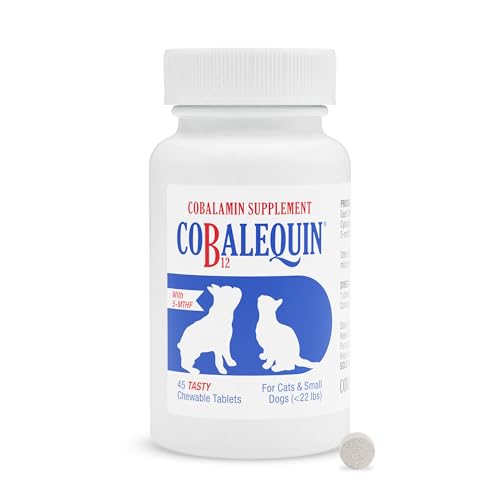
Nutramax Laboratories Cobalequin B12 Supplement
Oral cobalamin to correct the B12 deficiency IBD commonly causes

Instinct Limited Ingredient Dry Cat Food
Grain-free single-protein recipe for cats with sensitive stomachs
Haven Pet Insurance for Senior Cats.Coverage for accidents, illness, and the chronic conditions that drive the biggest senior-cat vet bills (kidney disease, hyperthyroidism, diabetes). Get a fast, free quote using your cat’s breed, age, and zip, then see your monthly premium before you commit.Sponsored
What IBD Actually Is
Inflammatory bowel disease is not one condition but a description of what biopsies reveal: inflammatory cells crowding into the wall of the stomach or intestines. This infiltration thickens the gut lining and interferes with its ability to digest food and absorb nutrients. The result is the chronic digestive upset that defines the disease.
Why it happens is not fully understood. The leading theory is an abnormal immune response to something in the gut, perhaps food proteins or the normal bacteria living there, that sets off ongoing inflammation. Because the cause is complex, IBD is generally controlled rather than cured, with the aim of keeping the inflammation quiet so the cat feels well.
Recognizing the Signs
IBD tends to wax and wane, which is part of why it is so often overlooked. The signs depend on which part of the digestive tract is most affected.
- Chronic vomiting: Vomiting several times a week or month, sometimes of food and sometimes of bile, is one of the most common clues.
- Diarrhea: Soft, loose, or frequent stools, occasionally with mucus or blood, point to inflammation lower in the tract.
- Weight loss: A slow loss of condition over months, often despite a normal or even hearty appetite, because nutrients are not being absorbed.
- Appetite changes: Some cats eat ravenously, others become picky or lose interest in food during flares.
Any of these that persists for more than a couple of weeks in a senior cat warrants a veterinary visit, since the same signs can come from parasites, thyroid disease, kidney disease, or cancer.
Senior Cat Wellness & Care Planner
Track your aging cat's health, meds, vet visits, mobility, nutrition, and quality of life, all in one printable planner.
How IBD Is Diagnosed
Diagnosing IBD is a process of careful exclusion followed by confirmation. Your veterinarian first rules out the many other causes of chronic digestive trouble with bloodwork, fecal testing for parasites, and screening for kidney and thyroid disease. Ultrasound often shows thickened intestinal walls or enlarged lymph nodes that raise suspicion.
The definitive step is a biopsy of the intestinal wall, obtained either by endoscopy or surgery. Only a biopsy can confirm the inflammation and, just as importantly, help distinguish IBD from small-cell intestinal lymphoma, a low-grade cancer that looks remarkably similar. This distinction guides treatment, so a biopsy is well worth pursuing when signs are persistent.
The Central Role of Diet
For many cats, food is the most powerful tool against IBD. Two diet strategies dominate, and both rely on outsmarting an overactive immune system.
| Diet Strategy | How It Works |
|---|---|
| Novel protein | Uses a meat the cat has never eaten, such as rabbit, venison, or duck, so the immune system does not react to it |
| Hydrolyzed protein | Breaks proteins into fragments too small for the immune system to recognize and attack |
| Highly digestible | Gentle, easily absorbed ingredients reduce the workload on an inflamed gut |
The key to a diet trial is strictness. Feeding the chosen food and nothing else, no treats, table scraps, or flavored medications, for eight to twelve weeks is the only way to know whether it works. Wet food is generally preferred for its digestibility and moisture. This patience is hard but often rewarding, since some cats are controlled on diet alone.
Medications and Supplements
When diet is not enough, your veterinarian may add treatment to calm the immune-driven inflammation.
- Corticosteroids: Prednisolone or budesonide reduce inflammation and are the most common medication for IBD. Cats tend to tolerate steroids well, and the dose is tapered to the lowest amount that keeps signs controlled.
- Vitamin B12: Damaged intestines often fail to absorb B12, so supplementation by injection or by mouth is frequently needed and can noticeably improve appetite and energy.
- Probiotics: These may help restore a healthier balance of gut bacteria and support more normal stools.
- Additional immune modulators: Reserved for stubborn cases that do not respond to diet and steroids alone.
Editor's Pick · Sponsored
Haven Pet Insurance for Senior Cats
Coverage for accidents, illness, and the chronic conditions that drive the biggest senior-cat vet bills (kidney disease, hyperthyroidism, diabetes). Get a fast, free quote using your cat’s breed, age, and zip, then see your monthly premium before you commit.
IBD and Intestinal Lymphoma
One of the most important things to understand about feline IBD is its close relationship with small-cell intestinal lymphoma. The two conditions look nearly identical on tests, share the same signs, and chronic IBD is thought to sometimes progress into lymphoma over time. Telling them apart usually requires a biopsy.
This sounds frightening, but there is genuine reassurance here. Small-cell intestinal lymphoma in cats is a low-grade cancer that often responds well to treatment, frequently the same steroid plus an oral chemotherapy drug, and many cats live comfortably for years. Knowing which condition you are dealing with is exactly why the biopsy matters.
Living Well with IBD
Most cats with IBD go on to live full, comfortable lives once the right combination of diet and medication is found. Expect some trial and error at the start, and plan on regular rechecks to monitor weight and B12 levels. Keep simple notes at home on vomiting, stool quality, appetite, and weight, since this record helps your veterinarian fine-tune the plan.
Flare-ups can happen, often triggered by a diet slip or stress, but they are usually manageable. With patience and partnership, IBD becomes a condition you live alongside rather than one that controls your cat's life.
Related Guides
- Old Cat Vomiting - Sorting harmless hairballs from signs of real disease.
- Old Cat Losing Weight - Why IBD causes weight loss despite a good appetite.
- Cancer in Senior Cats - Understanding intestinal lymphoma and its treatment.
Pet Insurance · Sponsored
Protect Your Senior Cat From Surprise Vet Bills
Older cats are more prone to kidney, dental, and thyroid trouble, and a single emergency visit can run into the hundreds or thousands. Pet insurance can help you say yes to the care your cat needs without draining your savings. Get a free quote and see what coverage fits.
Frequently Asked Questions
What is inflammatory bowel disease in cats?
Inflammatory bowel disease, or IBD, is a group of chronic conditions in which inflammatory cells infiltrate the wall of the stomach or intestines, disrupting normal digestion. It is not a single disease but a description of what biopsies reveal. The inflammation interferes with the gut's ability to absorb nutrients, leading to ongoing vomiting, diarrhea, weight loss, or appetite changes. IBD is most common in middle-aged and senior cats and is managed rather than cured.
What are the signs of IBD in cats?
The classic signs are chronic or intermittent vomiting, diarrhea, weight loss despite a normal or even increased appetite, and changes in eating habits. Some cats vomit several times a week, others have soft or bloody stools, and many slowly lose condition over months. Because these signs come and go, owners often assume the cat simply has a sensitive stomach. Persistent digestive trouble in a senior cat always deserves a veterinary workup.
How is IBD diagnosed in cats?
IBD is a diagnosis of exclusion combined with biopsy. Your veterinarian first rules out parasites, infections, kidney and thyroid disease, and dietary intolerance through bloodwork, fecal tests, and imaging. Ultrasound may show thickened intestinal walls. The definitive step is an intestinal biopsy, obtained by endoscopy or surgery, which confirms inflammation and helps distinguish IBD from intestinal lymphoma, a cancer that can look very similar and sometimes develops from chronic IBD.
What should I feed a cat with IBD?
Diet is central to managing IBD. Many cats improve on a novel-protein diet using a meat they have never eaten, such as rabbit, venison, or duck, or on a hydrolyzed diet in which proteins are broken into pieces too small to trigger the immune system. A strict elimination trial of eight to twelve weeks, feeding nothing else, is the best test. Wet, highly digestible food is usually preferred. Your veterinarian will help you choose and run the trial properly.
Is IBD the same as intestinal lymphoma?
No, but they are closely linked and can look almost identical on tests. IBD is inflammation, while small-cell intestinal lymphoma is a low-grade cancer, and chronic IBD is thought to sometimes progress into it. Telling them apart usually requires a biopsy, and even then the line can be blurry. Reassuringly, small-cell intestinal lymphoma in cats often responds well to treatment, so a biopsy is worth pursuing to guide the right plan.
What medications treat feline IBD?
When diet alone is not enough, veterinarians often add corticosteroids like prednisolone or budesonide to calm the immune-driven inflammation. Vitamin B12 injections or supplements correct the deficiency that damaged intestines commonly cause. Probiotics may help restore a healthier gut balance, and some cats need additional immune-modulating drugs in stubborn cases. The goal is the lowest effective treatment that keeps a cat eating well, holding weight, and free of vomiting and diarrhea.
Can a cat live a long life with IBD?
Yes. While IBD is usually a lifelong condition, most cats do very well once the right diet and medication are found. Many are controlled on diet alone or a low dose of medication and enjoy years of normal, comfortable life. The keys are an accurate diagnosis, patience during diet trials, and regular monitoring of weight and B12. Flare-ups can happen, but they are usually manageable with veterinary guidance.
Need more help with your aging cat?
Browse our guides by topic to find practical solutions.
Wellness Planner: $39