Saddle Thrombus in Cats: The Feared Diagnosis
A saddle thrombus causes sudden hind-leg paralysis and crying in cats, linked to heart disease. Learn the emergency signs, why HCM causes it, the guarded prognosis, and how it may be prevented.
Of all the words a cat owner dreads hearing, few land as hard as saddle thrombus. It arrives without warning: a cat that was fine an hour ago suddenly screaming in pain, dragging useless back legs across the floor. It is one of the most frightening emergencies in feline medicine, and it is almost always the visible tip of a hidden heart disease.
This guide explains what a saddle thrombus is, how to recognize it instantly, why it is so tightly bound to feline heart disease, and the hard truths about its prognosis. It also covers what can be done to lower the risk in a cat known to have heart disease. It is educational and meant to support, not replace, your veterinarian's care. If you suspect a saddle thrombus right now, stop reading and get to an emergency veterinarian immediately.
Comfort and Care Supplies for a Heart-Disease Cat

K&H Pet Products Orthopedic Heated Cat Bed
Gentle warmth and support for a senior cat recovering or living with heart disease
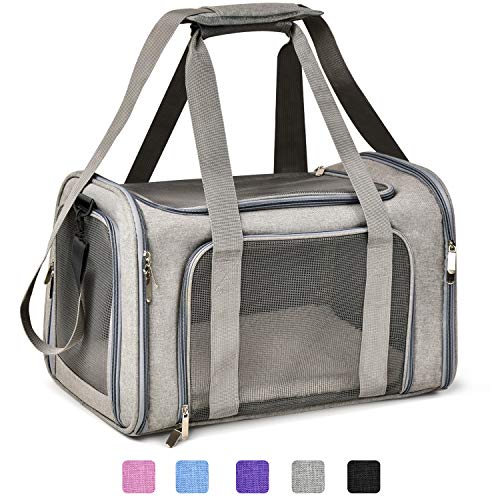
Henkelion Soft-Sided Cat Carrier
Calm, secure transport for the urgent trip to the emergency clinic

Fancy Feast Senior Pate Wet Food
Palatable, easy nutrition to support a cat through illness and recovery

Veken Stainless Steel Water Fountain
Encourages hydration for a cat with heart and circulation concerns
What a Saddle Thrombus Is
The aorta is the body's main artery, carrying blood from the heart. Low in the abdomen it forks into two branches that feed the back legs. A saddle thrombus is a blood clot that lodges right at that fork, draping across it like a saddle across a horse, and blocking blood flow to both hind limbs at once.
The clinical name is feline aortic thromboembolism, often shortened to FATE. The blockage starves the back legs of blood, causing sudden paralysis and excruciating pain. It is a genuine, time-critical emergency.
The Signs: Sudden and Unmistakable
A saddle thrombus does not creep up. It strikes in moments. The classic picture is sometimes summarized as the "five Ps," and once seen it is hard to forget:
- Pain: Sudden, severe, the cat often crying or howling.
- Paralysis: The back legs stop working, and the cat may drag itself with the front legs.
- Pulselessness: No pulse can be felt in the back legs.
- Pallor: The pads of the back paws look pale or bluish.
- Poikilothermia (coldness): The back legs feel cold compared with the rest of the body.
Many cats also pant or breathe hard, because heart failure and fluid in the lungs frequently strike at the same moment. This combination of sudden pain, paralysis, and labored breathing is an emergency. Get to a veterinarian immediately.
Senior Cat Wellness & Care Planner
Track your aging cat's health, meds, vet visits, mobility, nutrition, and quality of life, all in one printable planner.
The Heart Disease Connection
A saddle thrombus is rarely a standalone event. The overwhelming majority of affected cats have underlying heart disease, most often hypertrophic cardiomyopathy (HCM), in which the heart muscle thickens. A diseased heart, particularly one with an enlarged left atrium, lets blood pool and form clots. A fragment of clot then breaks free, sweeps down the aorta, and jams at the fork to the back legs.
The cruel part is that feline heart disease is often silent. Cats hide it so well that the saddle thrombus is frequently the very first sign that anything was wrong with the heart at all. This is exactly why heart screening matters, and why our guide to heart disease and HCM in senior cats stresses recognizing the subtle clues and monitoring breathing rate at home before a crisis ever happens.
Haven Pet Insurance for Senior Cats.Coverage for accidents, illness, and the chronic conditions that drive the biggest senior-cat vet bills (kidney disease, hyperthyroidism, diabetes). Get a fast, free quote using your cat’s breed, age, and zip, then see your monthly premium before you commit.Sponsored
The Hard Truth About Prognosis
There is no gentle way to say it: the prognosis for a saddle thrombus is guarded and often poor. Three forces converge at once, the severe pain of the clot, the blocked circulation to the legs, and the underlying heart disease that may also be tipping into heart failure.
| Factor | More hopeful | More grave |
|---|---|---|
| Legs affected | One leg | Both back legs |
| Heart failure present | No active failure | Fluid in the lungs, labored breathing |
| Pain control and response | Pain managed, some movement returns | Persistent pain, no return of function |
| Underlying heart disease | Treatable, controlled | Severe, advanced |
Some cats, especially those with only one leg affected, good pain control, and manageable heart disease, do regain leg function over days to weeks and go on to enjoy more time. Many others, sadly, do not survive the initial crisis, and humane euthanasia is a compassionate and common choice to spare a cat severe suffering. Your veterinarian will give you an honest, individualized picture so you can make a loving decision.
Can It Be Prevented?
There is no guaranteed prevention, but the odds shift when heart disease is known. Cats diagnosed with HCM, particularly with an enlarged left atrium, are often placed on a clot-preventing medication such as clopidogrel to reduce the chance of a thrombus forming. That is only possible if the heart disease has been found, which is the whole argument for screening.
Pay attention to a heart murmur or gallop noted at a checkup, to breeds prone to HCM, and to subtle signs like faster resting breathing. Catching heart disease before a clot strikes is the single best protection against this devastating event.
A saddle thrombus is among the most painful things a cat and its family can face. Understanding it does not make it less heartbreaking, but it can help you act fast in the moment and, just as importantly, push for the heart screening that gives a vulnerable cat its best chance of never reaching this point at all.
Related Guides
- Heart Disease and HCM in Senior Cats - The underlying disease behind nearly every saddle thrombus.
- Old Cat Breathing Fast - A key early warning sign of heart trouble.
- Signs Your Old Cat Is in Pain - Reading the clues a senior cat is hurting.
Pet Insurance · Sponsored
Protect Your Senior Cat From Surprise Vet Bills
Older cats are more prone to kidney, dental, and thyroid trouble, and a single emergency visit can run into the hundreds or thousands. Pet insurance can help you say yes to the care your cat needs without draining your savings. Get a free quote and see what coverage fits.
Frequently Asked Questions
What is a saddle thrombus in cats?
A saddle thrombus is a blood clot that lodges at the point where the body's main artery, the aorta, splits to supply the back legs. The clot sits across that fork like a saddle, blocking blood flow to both hind limbs. The medical name is feline aortic thromboembolism, often abbreviated FATE. It comes on suddenly and is intensely painful. It is one of the true emergencies in feline medicine and is almost always linked to underlying heart disease, especially HCM.
What are the signs of a saddle thrombus?
The onset is dramatic and sudden. A cat that seemed fine cries out in pain, then cannot use its back legs, which become paralyzed and often cold to the touch. The pads of the back paws look pale or bluish, and you may not feel a pulse in the back legs. The cat may pant, breathe hard, or drag itself with the front legs. The crying reflects severe pain. These signs are a veterinary emergency requiring immediate care, not a wait-and-see situation.
Is a saddle thrombus an emergency?
Absolutely, one of the most urgent in feline medicine. The clot cuts off blood to the back legs, causing extreme pain, and the underlying heart disease that triggered it can also be causing heart failure and fluid in the lungs at the same time. Every minute matters. Take your cat to an emergency or veterinary clinic immediately. Do not attempt home remedies or wait to see if it improves. Prompt veterinary pain control and stabilization are the priority before anything else.
Why is a saddle thrombus linked to heart disease?
Most cats with a saddle thrombus have underlying heart disease, usually hypertrophic cardiomyopathy, where the heart muscle thickens. The diseased heart, especially an enlarged left atrium, allows blood to pool and form clots. A piece of clot then breaks loose, travels down the aorta, and lodges where it divides to the back legs. Tragically, the heart disease is often silent until the clot strikes, so the saddle thrombus is the first sign anything was wrong. This is why heart screening matters.
What is the prognosis for a cat with a saddle thrombus?
The prognosis is guarded and often poor, which is why the condition's outcome is so feared. The combination of severe pain, the clot itself, and the underlying heart disease makes it a grave situation. Some cats, particularly those with one affected leg, good pain control, and treatable heart disease, do recover function over weeks and go on to live for a time. Many others do not survive the initial crisis or are humanely euthanized to prevent suffering. Your veterinarian will discuss a realistic outlook for your cat.
Can a saddle thrombus be prevented?
Not with certainty, but the risk can be reduced when heart disease is known. Cats diagnosed with HCM, especially with an enlarged left atrium, are often placed on clot-preventing medication such as clopidogrel to lower the chance of a thrombus forming. This is why screening for heart disease matters, particularly in breeds prone to HCM or cats with a heart murmur or gallop. Catching heart disease before a clot strikes gives the best chance to prevent this devastating event.
Should I euthanize a cat with a saddle thrombus?
This is a deeply personal decision made with your veterinarian, weighing your cat's pain, the severity of the clot, the state of the underlying heart disease, and the realistic odds of meaningful recovery. Because the prognosis is guarded and the suffering severe, humane euthanasia is a compassionate and common choice, especially when heart failure accompanies the clot or both legs are affected. There is no wrong answer made out of love. Your veterinary team will help you understand what your individual cat faces.
Need more help with your aging cat?
Browse our guides by topic to find practical solutions.
Wellness Planner: $39