Stomatitis in Cats: Severe Mouth Pain Explained
Feline stomatitis causes severe mouth pain, drooling, and dropping food. Learn the signs, the immune cause, why full-mouth extractions are often curative, and how to help a suffering senior cat.
Few feline conditions cause as much quiet suffering as stomatitis. A cat that approaches its bowl hungry, then cries and backs away, that drools and drops food and stops grooming, may be living with one of the most painful diseases in all of feline medicine. The good news, and it is genuinely hopeful news, is that stomatitis is treatable, and many cats are cured.
This guide explains what feline chronic gingivostomatitis is, why the immune system is at the heart of it, how to recognize the signs, and why removing teeth, counterintuitive as it sounds, so often brings lasting relief. It is educational and meant to support, not replace, your veterinarian's care.
Comfort Supplies for a Cat With Stomatitis
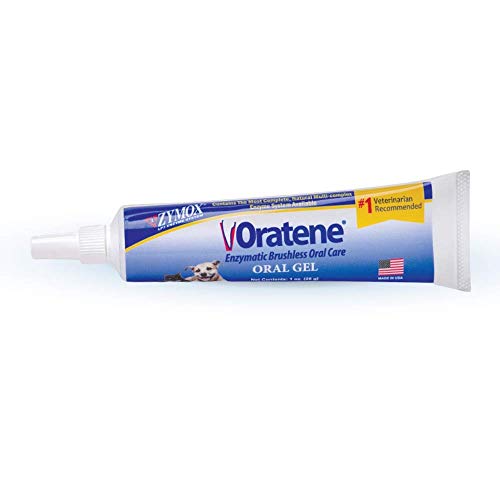
Pet King Brands Brushless Oral Care Gel
A gentle, no-brush gel to support oral hygiene in a sore mouth

Fancy Feast Senior Pate Wet Food
Soft, easy-to-eat food for a cat with a painful or toothless mouth
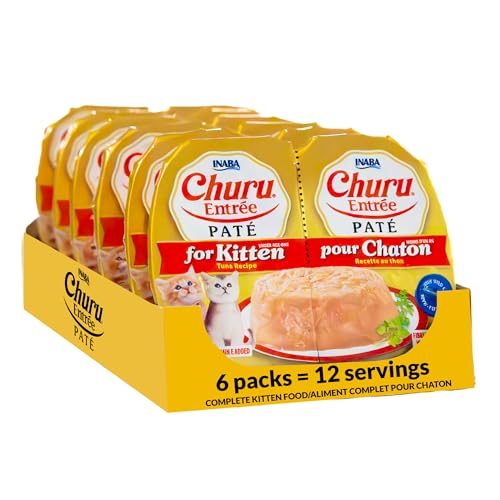

SANTKOL L-Lysine Immune Support
Supports cats whose stomatitis is linked to viral flare-ups
What Stomatitis Really Is
Feline chronic gingivostomatitis is not just bad gum disease. It is a severe, widespread inflammation of the gums and, crucially, the tissues at the back of the mouth where the cheeks meet the jaw. The hallmark is bright red, swollen, often ulcerated and bleeding tissue, and it hurts intensely.
What sets it apart from ordinary periodontal disease is the immune component. In stomatitis the immune system overreacts, mounting a hostile, exaggerated response to plaque bacteria and to the surfaces of the teeth themselves. The mouth is essentially at war with its own teeth, and the tissue pays the price.
What Causes It
The precise trigger remains incompletely understood, but several threads come together:
- Immune overreaction: The core problem, an exaggerated inflammatory response to plaque and tooth surfaces.
- Viruses: Feline calicivirus is strongly associated, and herpesvirus, FIV, and FeLV can play a role or worsen it.
- Dental disease and bacteria: Plaque and existing dental problems fuel the fire.
Because so much of the immune attack is directed at the teeth and their plaque, taking the teeth out of the equation often quiets the whole disease.
Senior Cat Wellness & Care Planner
Track your aging cat's health, meds, vet visits, mobility, nutrition, and quality of life, all in one printable planner.
Recognizing the Signs
Cats hide pain by instinct, so stomatitis is often advanced before owners realize how much their cat is hurting. Watch for:
- Drooling: Sometimes blood-tinged, a classic sign of mouth pain.
- Approaching food then dropping it: The cat is hungry but eating hurts too much.
- Crying or yelping while eating: A telltale sign of severe oral pain.
- Pawing at the mouth and bad breath: Common companions of the inflammation.
- Weight loss and a scruffy coat: From eating poorly and stopping grooming, since grooming hurts.
- Withdrawal or irritability: The toll of constant, grinding pain.
Many of these overlap with ordinary dental disease and bad breath, which is why a veterinary oral exam, often under sedation, is needed to tell them apart.
Haven Pet Insurance for Senior Cats.Coverage for accidents, illness, and the chronic conditions that drive the biggest senior-cat vet bills (kidney disease, hyperthyroidism, diabetes). Get a fast, free quote using your cat’s breed, age, and zip, then see your monthly premium before you commit.Sponsored
Why Full-Mouth Extractions Help
The most effective treatment for stomatitis is often the one that sounds most alarming: removing the teeth, sometimes most or all of them. Because the immune system is reacting to the teeth and their plaque, taking them away removes the trigger for the attack.
The results are striking. Studies show that the majority of cats improve substantially or resolve completely after full or near-full mouth extractions, and many need little or no ongoing medication afterward. It is a major surgery requiring a skilled veterinarian or veterinary dentist, but for a cat in relentless pain it is frequently transformative.
| Approach | What it involves |
|---|---|
| Full or partial extractions | Removing affected teeth to eliminate the immune trigger; most curative |
| Pain control | Essential at every stage to keep the cat eating and comfortable |
| Anti-inflammatory or immune therapy | For cats still inflamed after surgery (refractory cases) |
| Dental cleaning and home care | Supports any remaining teeth and reduces plaque |
Life After Extractions
Owners are often anxious about how a cat will eat without teeth, but cats adapt astonishingly well. They do not chew the way we picture; they tend to gulp food. After healing, most cats eat happily, often preferring soft or softened food, and many manage dry kibble too. The relief from pain frequently returns a withdrawn, picky cat to an affectionate one with a healthy appetite.
A minority of cats have lingering inflammation even after extractions, called refractory stomatitis. These cats need ongoing pain relief and anti-inflammatory or immune-modulating care, and sometimes referral to a veterinary dentist for newer therapies. With patience, even these cats can usually be kept comfortable.
Stomatitis is a hard diagnosis to hear, but it is one where treatment can genuinely give a cat its life back. If your senior cat is drooling, dropping food, or crying when it eats, do not wait. A prompt veterinary dental exam is the first step toward ending pain that your cat has likely been hiding for far too long.
Related Guides
- Dental Disease in Senior Cats - The broader picture of feline oral health and extractions.
- Old Cat Bad Breath - What mouth odor signals and how to address it.
- Signs Your Old Cat Is in Pain - Reading the subtle clues a senior cat is hurting.
Pet Insurance · Sponsored
Protect Your Senior Cat From Surprise Vet Bills
Older cats are more prone to kidney, dental, and thyroid trouble, and a single emergency visit can run into the hundreds or thousands. Pet insurance can help you say yes to the care your cat needs without draining your savings. Get a free quote and see what coverage fits.
Frequently Asked Questions
What is stomatitis in cats?
Feline chronic gingivostomatitis, often shortened to stomatitis, is a severe, painful inflammation of the gums and the tissues at the back of the mouth. Unlike ordinary gum disease, the immune system overreacts to plaque and to the cat's own teeth, creating bright red, ulcerated, often bleeding tissue. It is one of the most painful conditions in feline medicine. Cats drool, drop food, and may cry out when eating. It tends to be chronic and frustrating to manage with medication alone.
What causes feline stomatitis?
The exact cause is not fully understood, but it is considered an immune-mediated disease: the cat's immune system mounts an exaggerated, hostile reaction to plaque bacteria and to surfaces of the teeth themselves. Viruses such as feline calicivirus, and sometimes feline herpesvirus or the immunodeficiency and leukemia viruses, are linked to it and may worsen it. Dental disease and bacteria fuel the fire. Because the trigger is largely the teeth, removing them often calms the immune overreaction dramatically.
What are the signs of stomatitis in cats?
Watch for severe mouth pain shown as drooling, sometimes blood-tinged, pawing at the mouth, and crying or yelping while eating. Many cats approach food hungrily then drop it or turn away, lose weight, and stop grooming so the coat looks unkempt. Bad breath is common, and the gums and back of the mouth look fiery red and ulcerated. Some cats become withdrawn or irritable from constant pain. Any of these signs warrants a veterinary dental exam without delay.
Do cats need their teeth removed for stomatitis?
Often, yes, and it is frequently the most effective treatment. Because the immune system is reacting to the teeth and the plaque on them, removing the affected teeth, sometimes most or all of them, removes the trigger. Studies show the majority of cats improve significantly or resolve completely after full or near-full mouth extractions, with many needing little or no medication afterward. It sounds drastic, but cats adapt remarkably well to life with few teeth and are far more comfortable.
Can cats eat without teeth after extractions?
Yes, surprisingly easily. Cats do not chew their food the way people imagine; they tend to gulp it. After full-mouth extractions and a healing period, most cats eat well, and many manage dry food, though wet or softened food is gentler and usually preferred. The relief from pain often means a cat that had stopped eating returns to its food with enthusiasm. Owners are frequently amazed at how happy and normal their cat becomes once the painful teeth are gone.
How is stomatitis managed if surgery is not enough?
A minority of cats still have inflammation after extractions, called refractory stomatitis. These cats may need ongoing care: anti-inflammatory or immune-modulating medications, pain relief, careful dental cleaning of any remaining teeth, and sometimes referral to a veterinary dentist. Newer approaches, including certain immune therapies, are being explored. Management focuses on controlling pain and inflammation so the cat can eat and live comfortably. It takes patience and partnership with your veterinarian, but most cats can be kept comfortable.
Is stomatitis painful for cats?
Extremely. Veterinary dentists consider feline stomatitis one of the most painful oral conditions cats experience, comparable to severe mouth ulcers covering large areas of tissue. The pain is constant and worsens with eating, which is why affected cats drool, drop food, and may cry out. Because cats instinctively hide pain, owners often underestimate how much their cat is suffering until treatment brings relief and the cat visibly brightens. Effective pain control and addressing the cause are urgent priorities.
Need more help with your aging cat?
Browse our guides by topic to find practical solutions.
Wellness Planner: $39