Dandruff in Senior Cats: Causes and Fixes
Why an aging cat develops dandruff, from reduced grooming and dry skin to underlying illness, plus omega-3s, grooming help, and when to see the vet.
Those little white flakes scattered across your senior cat's back and the base of its tail are easy to dismiss as a cosmetic nuisance, but in an older cat dandruff is usually a signal worth reading. Most often it means your cat can no longer groom itself fully, and sometimes it points to a health problem that deserves attention. The good news is that once you understand the cause, dandruff in senior cats is very manageable.
The products below were chosen by comparing ingredients and verified owner reviews for how well they support skin, coat, and grooming in older cats. We did not run hands-on lab tests; we evaluated formulations and owner feedback.
Helpful Products for Senior Cat Dandruff
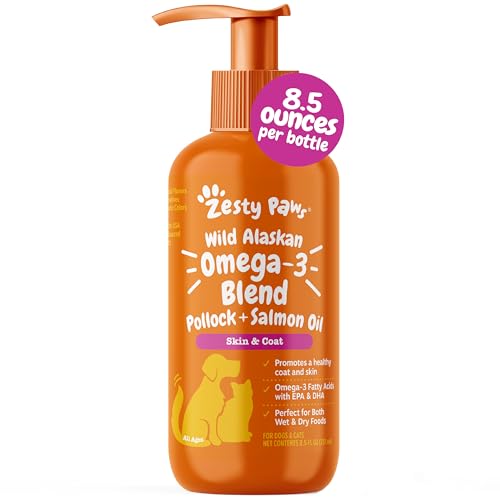
Zesty Paws Zesty Paws Omega-3 for Cats
Wild Alaskan fish oil to support skin and reduce flaking from within

HEAPETS Wild Alaskan Salmon Oil for Cats
Pure omega-rich salmon oil to nourish a dry senior coat

earthbath earthbath Hypo-Allergenic Grooming Wipes
Gentle wipes to clean and freshen flaky, hard-to-reach areas
Why Dandruff Shows Up in Older Cats
The single biggest reason is reduced self-grooming. A cat's tongue does double duty: it removes dead skin and spreads natural oils across the coat. When arthritis makes reaching the back and tail base painful, or dental disease makes grooming hurt, or extra weight limits flexibility, those areas stop getting that maintenance. Dead skin builds up as flakes, and the coat there looks dull and unkempt. That is why dandruff in seniors so often appears exactly where a cat can no longer reach: along the spine and over the rump.
Aging skin also tends to be drier and produces less oil, and dry household air can make matters worse. But in a senior cat, the flakes are usually telling you the grooming system has broken down somewhere, and your job is to find out why.
When Dandruff Signals Something More
Dandruff is not always just a grooming issue. It can accompany a range of conditions common in older cats:
- Dehydration: Common in seniors, especially those with kidney disease, and hard on the skin.
- Kidney disease, diabetes, hyperthyroidism: All can affect coat and skin quality.
- Poor nutrition: A diet short on quality fats and protein shows in the coat.
- Allergies, parasites, or infection: Often paired with itching, scabs, or hair loss.
- Obesity and arthritis: The classic drivers of reduced grooming.
Because of this, sudden or heavy dandruff, or flakes alongside weight loss, increased thirst, itching, or low energy, deserves a veterinary checkup rather than just a topical fix.
Senior Cat Wellness & Care Planner
Track your aging cat's health, meds, vet visits, mobility, nutrition, and quality of life, all in one printable planner.
How to Help at Home
Once your vet has ruled out or is managing any medical cause, several home steps make a real difference. Brush the back, sides, and tail base a few times a week with a soft brush, which lifts loose flakes and spreads natural oils for your cat. Use grooming wipes to clean areas your cat neglects. Add an omega-3 fish oil supplement, which supports skin and coat from the inside over several weeks and helps arthritic joints too. Support hydration with wet food and a water fountain, and consider a humidifier in dry months. These steps work together to calm flaky skin.
Why Baths Usually Are Not the Answer
It is tempting to wash dandruff away, but baths stress most cats and can chill a frail senior, and over-bathing dries the skin further, often worsening the flaking. Gentle grooming, wipes, omega-3s, and good hydration handle the great majority of senior dandruff without water. Reserve baths and medicated shampoos for cases where your vet diagnoses a specific skin condition and shows you safe technique.
When to See Your Veterinarian
Book a visit if the dandruff is sudden or heavy, comes with itching, scabs, hair loss, redness, or a greasy, smelly coat, or if your cat also shows weight loss, increased thirst, vomiting, or fatigue. Even mild persistent flaking is worth mentioning at routine senior checkups, since it can be an early, easily missed clue to arthritis, dental pain, or internal disease. Treating the cause, not just the flakes, keeps your aging cat healthy as well as tidy.
Related Guides
- Senior Cat Stopped Grooming Itself - The medical reasons behind a neglected coat.
- Best Brushes for Senior Cats - Gentle brushes for thinning, flaky coats.
- Fish Oil for Senior Cats - How omega-3s support skin, coat, and joints.
Pet Insurance · Sponsored
Protect Your Senior Cat From Surprise Vet Bills
Older cats are more prone to kidney, dental, and thyroid trouble, and a single emergency visit can run into the hundreds or thousands. Pet insurance can help you say yes to the care your cat needs without draining your savings. Get a free quote and see what coverage fits.
Frequently Asked Questions
Why do senior cats get dandruff?
The most common reason is reduced grooming. As cats age, arthritis makes twisting to reach the back and tail base painful, dental disease makes grooming uncomfortable, and obesity or illness limits flexibility. The skin there is not exfoliated or spread with natural oils, so dead skin flakes accumulate as dandruff. Aging skin also produces less oil and can become drier. So while dry skin plays a part, the flaky patches over the back and rump usually point first to a cat that simply cannot groom itself fully anymore.
Is dandruff in my cat a sign of illness?
It can be, which is why dandruff deserves attention rather than just a cosmetic fix. Beyond reduced grooming, flaky skin can accompany dehydration, kidney disease, diabetes, hyperthyroidism, poor nutrition, allergies, parasites, or skin infection. Sudden or heavy dandruff, especially with weight loss, increased thirst, itching, scabs, or a greasy coat, warrants a veterinary checkup. Treating the flakes without finding the cause can mean missing an underlying senior health problem that needs proper management.
Can omega-3 supplements help cat dandruff?
Often, yes. Omega-3 fatty acids, particularly the EPA and DHA in fish oil, support skin health and the coat from the inside, helping reduce dryness and flaking over several weeks of daily use. They also have anti-inflammatory benefits for joints, which is a bonus for arthritic seniors. Omega-3s are not an instant fix and work best alongside good hydration and grooming help. Check with your vet before adding a supplement, especially if your cat takes other medications.
How can I help my cat groom the spots it can't reach?
Step in with gentle grooming. Brush the back, sides, and base of the tail a few times a week with a soft brush suited to aging skin, which lifts away loose flakes and spreads natural oils. Grooming wipes can freshen and clean areas your cat neglects. For an arthritic cat, keep sessions short and gentle, supporting the body without forcing sore joints. Regular help with the hard-to-reach spots is one of the most effective things you can do for senior dandruff.
Does dry household air cause cat dandruff?
It can contribute. Dry indoor air, common in winter with heating running, pulls moisture from the skin and can worsen flaking in a cat already prone to it. Running a humidifier to keep household humidity in a comfortable range may help, alongside making sure your cat drinks enough, since hydration supports skin from within. Wet or moisture-rich food and a cat water fountain encourage intake. These environmental tweaks support, but do not replace, addressing the underlying cause of the dandruff.
Should I bathe my cat to get rid of dandruff?
Usually not. Most cats find baths stressful, and a frail senior can become chilled or frightened, while over-bathing can dry the skin further and make flaking worse. Regular gentle brushing, grooming wipes, omega-3s, and good hydration handle most dandruff without a bath. If your vet diagnoses a specific skin condition, they may recommend a medicated shampoo and show you safe technique. Otherwise, skip the bath and focus on grooming help and the underlying cause.
When should I take my cat to the vet for dandruff?
See your vet if the dandruff is sudden or heavy, comes with itching, scabs, hair loss, redness, or a greasy or smelly coat, or if your cat also shows weight loss, increased thirst, vomiting, or low energy. These point to a medical cause that needs diagnosis. Even mild persistent dandruff in a senior is worth mentioning at routine checkups, since it can be an early, easily overlooked clue to arthritis, dental disease, or internal illness.
Need more help with your aging cat?
Browse our guides by topic to find practical solutions.
Wellness Planner: $39