How to Help an Arthritic Cat: Home Modifications
A room-by-room guide to helping an arthritic cat at home: low-entry litter, non-slip rugs, steps and ramps, warm beds, and the small changes that ease daily pain.
When a cat develops arthritis, the home that was built around her agility quietly turns against her. The bed she sailed onto, the high-walled litter box, the slick hallway floor, the food bowl up on the counter: each becomes a small daily ordeal. The encouraging part is that you can fix most of these obstacles cheaply, and the relief is often immediate. A few thoughtful changes can transform how comfortably an arthritic cat moves through her day.
This is a room-by-room guide to making your home kind to aching joints. Pair these changes with veterinary pain control for the best result, since the two work together: the vet treats the arthritis, the home removes the strain.
Home Essentials for an Arthritic Cat

KittyGoHere Low-Entry Senior Cat Litter Box
A large box with a low, easy entrance for cats who struggle to climb in
Veken Non-Slip Rug Gripper Pad
Keeps rugs and runners from sliding so sore joints get secure footing
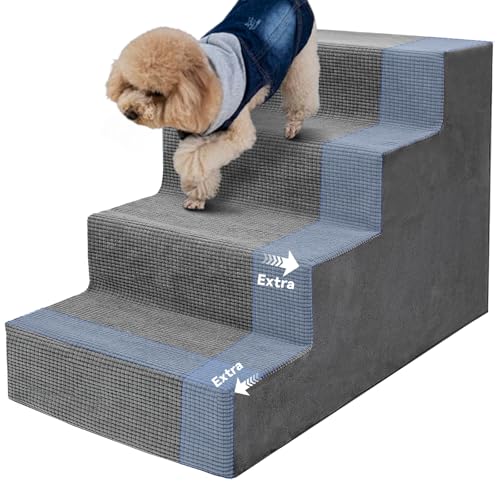
Niubya Zerbuger Dog Stairs with Storage
Gentle steps that make the bed or sofa reachable without a painful jump

Furhaven Self-Warming Cat Bed Mat
Reflects body heat to soothe stiff joints, no cords or power needed
The Litter Box: Fix This First
A high-walled or covered litter box is one of the biggest hidden sources of pain for an arthritic cat, and the consequences land on your floor. When climbing in hurts, cats start eliminating just outside the box or holding it uncomfortably long. Owners often misread this as a behavior problem when it is really a mobility problem.
- Switch to a large, low-entry box with a side no taller than about three inches, so your cat steps in rather than climbs over.
- Skip covered and top-entry boxes, which force a sore cat to crouch and clamber.
- Put a box on every floor your cat uses, so the bathroom is never on the far side of a flight of stairs.
- Use a soft, fine litter that is gentle on tender paws.
Flooring: Give Sore Joints Traction
Hardwood, tile, and laminate offer nothing for a cat to grip. An arthritic cat with slightly less coordination braces against slick floors, slips, and loses the confidence to move, and a cat that moves less loses the very muscle that supports her joints. Restoring traction breaks that spiral.
- Lay non-slip rugs or runners along the main routes: between the bed, food, water, and litter box.
- Use a rug gripper pad underneath so the rugs themselves do not slide and become a new hazard.
- Pay special attention to the approach and landing zones around any furniture your cat still climbs onto.
Reaching Favorite Heights
Cats need vertical space for security and contentment, so the goal is never to wall off every high spot but to make the climb gentle. Place carpeted steps or a low-incline ramp beside the bed, the sofa, and a sunny window perch. Window step shelving lets a cat ascend to the view rather than risk a leap. Introduce any new step or ramp patiently, luring your cat up with treats and a familiar-smelling blanket, since cats distrust new objects at first.
Haven Pet Insurance for Senior Cats.Coverage for accidents, illness, and the chronic conditions that drive the biggest senior-cat vet bills (kidney disease, hyperthyroidism, diabetes). Get a fast, free quote using your cat’s breed, age, and zip, then see your monthly premium before you commit.Sponsored
Warmth and Rest
Arthritic cats gravitate toward warmth because heat relaxes stiff joints and improves circulation, which is why they hog sunbeams and heat vents. Give them a dedicated warm retreat:
- A soft, well-padded bed with bolstered sides for support, placed away from drafts and easy to reach without climbing.
- A self-warming mat that reflects body heat with no cords, or a low-wattage heated cat bed designed for safe unattended use.
- Several cozy spots around the home so your cat is never far from a comfortable place to settle.
Food, Water, and Grooming
Keep food and water on the floor or a low, stable surface so meals never require a jump or a climb, and put a station on each level your cat frequents. Many arthritic cats stop grooming their lower back and hindquarters because twisting there hurts, leaving the coat matted or greasy. Help with gentle daily brushing, and keep their claws trimmed, since reduced scratching lets claws overgrow and catch.
Senior Cat Wellness & Care Planner
Track your aging cat's health, meds, vet visits, mobility, nutrition, and quality of life, all in one printable planner.
Gentle Movement Keeps Muscle
Rest is good, but total inactivity wastes the muscle that braces sore joints. Encourage short, gentle play with a wand toy kept low and flat, rather than anything that invites a big leap. A few brief sessions a day are better than one long one, and you should stop before your cat tires or shows discomfort. If even gentle play seems painful, that is a sign to revisit pain control with your vet.
Pair Home Changes With Veterinary Care
Every modification here makes life easier, but none of them treat the arthritis itself. Feline pain management has advanced significantly, and the monthly Solensia injection has helped many cats move comfortably again, alongside other medications, weight management, and joint supplements. The home removes obstacles; your veterinarian addresses the pain. Used together, they give an arthritic cat the best shot at comfortable, contented senior years.
This guide is educational and complements, rather than replaces, advice from your veterinarian.
Related Guides
- Best Non-Slip Rugs for Cats - Traction solutions for slick floors.
- Best Cat Stairs for Beds - Steps to keep high spots reachable.
- Arthritis in Senior Cats - Signs, treatment, and relief.
Pet Insurance · Sponsored
Protect Your Senior Cat From Surprise Vet Bills
Older cats are more prone to kidney, dental, and thyroid trouble, and a single emergency visit can run into the hundreds or thousands. Pet insurance can help you say yes to the care your cat needs without draining your savings. Get a free quote and see what coverage fits.
Frequently Asked Questions
What are the most important home changes for an arthritic cat?
Three changes help most cats immediately: a large litter box with a low entry so they do not have to climb over a high wall, non-slip rugs on slick floors so they are not skating on sore joints, and steps or a ramp to favorite high spots so jumping becomes optional. Add a warm, well-padded bed and you have covered the daily pain points that affect nearly every arthritic cat.
What kind of litter box is best for an arthritic cat?
Choose a large, low-entry box with a side no taller than about three inches so your cat can walk in rather than clamber over. Avoid covered boxes and top-entry designs, which force awkward crouching and climbing. Provide a box on every floor of your home so a painful trip up or down stairs is never the price of using the bathroom, which prevents accidents.
Should I keep an arthritic cat warm?
Yes. Warmth increases blood flow to stiff joints and visibly relaxes many arthritic cats, which is why they seek out sunny spots and heat vents. A soft, well-padded bed in a draft-free location, or a low-wattage heated or self-warming cat bed designed for unattended use, can meaningfully ease morning stiffness. Keep the bed somewhere easy to reach without climbing.
How do non-slip rugs help an arthritic cat?
Hardwood, tile, and laminate give a cat with sore, less-coordinated joints nothing to grip, so they brace, slip, and lose confidence moving around. Runners and rugs across the main routes, especially near food, water, the litter box, and resting spots, restore secure footing. A cat that trusts the floor moves more, which helps maintain the muscle that supports aching joints.
Can I exercise an arthritic cat?
Gentle, regular play is good for arthritic cats because it preserves the muscle that stabilizes joints and keeps them limber. Keep it low and flat, using a wand toy at floor level rather than encouraging high leaps, and stop before your cat tires. Short, frequent sessions beat one long burst. If play clearly causes pain, talk to your vet about pain control first.
Do home changes replace veterinary treatment?
No. Home modifications make daily life easier and reduce strain, but they do not treat the pain or slow the joint damage. They work best alongside veterinary care, which now includes the highly effective monthly Solensia injection, other pain medications, weight management, and supplements. Think of the home as removing obstacles while your vet addresses the arthritis itself.
Need more help with your aging cat?
Browse our guides by topic to find practical solutions.
Wellness Planner: $39