Signs of Arthritis in Cats: A Subtle-Sign Checklist
Cats hide arthritis pain and rarely limp. Use this checklist of subtle signs, from skipped jumps to grooming changes, to catch feline arthritis early.
Arthritis in cats is common and badly underdiagnosed, and the reason comes down to one stubborn fact: cats almost never limp. We are conditioned to watch for a limp as the signal of joint pain, but a cat with arthritis in matching joints on both sides has no good leg to favor. Instead of limping, she simply does less. She skips the jump, grooms a little less, sleeps a little more, and the change is so gradual that it hides in plain sight as "just getting older."
This guide is a checklist of those subtle signs. If your cat is 10 or older and you can tick off two or three, it is worth a conversation with your veterinarian, because early treatment keeps a cat comfortable and active for longer.
Early Support for a Stiffening Cat

Pet Honesty Senior Cat Hip & Joint Chews
Glucosamine and green-lipped mussel support for cats showing early stiffness

Nutramax Cosequin for Senior Cats
Vet-recommended joint support you can start while you arrange a check-up
KittyGoHere Low-Entry Senior Cat Litter Box
Easier access for a cat that has started struggling to climb into the box
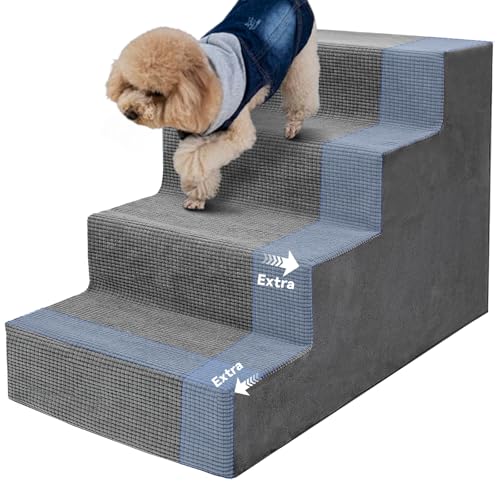
Niubya Zerbuger Dog Stairs with Storage
Restores reach to perches a stiffening cat has begun to avoid
The Subtle-Sign Checklist
Watch for clusters of these changes rather than any single one in isolation. The more boxes you tick, the stronger the case for a veterinary visit.
Movement and Jumping
- Hesitates before jumping, or no longer jumps to spots they once reached easily
- Breaks a jump into two smaller hops, using a chair as a halfway point
- Takes stairs slowly, one careful step at a time, or avoids them
- Moves with a stiff or stilted gait, especially just after waking
- Sleeps in lower, easier-to-reach places instead of favorite high perches
Grooming and Coat
- A matted, greasy, or dandruffy coat over the lower back and hindquarters, where twisting now hurts
- Over-grooming or licking at one particular joint
- Overgrown or split claws from reduced scratching and activity
Litter Box and Routine
- Difficulty climbing into a high-walled box, or accidents just outside it
- Standing oddly or rushing while using the box, as if it is uncomfortable
- Eliminating on one floor to avoid stairs to the box
Mood and Behavior
- Hiding more, interacting less, or seeking out warmth more than usual
- Irritability, flinching, or a swat when picked up or touched along the spine and hips
- Less play, less hunting of toys, a generally quieter cat
- Reduced appetite or subtle weight changes in some cats
Senior Cat Wellness & Care Planner
Track your aging cat's health, meds, vet visits, mobility, nutrition, and quality of life, all in one printable planner.
Why These Signs Are So Easy to Miss
Two things conspire to hide feline arthritis. First, cats are wired to conceal pain, a survival instinct from their wild ancestry, so they mask discomfort until it is significant. Second, the signs are subtractive: the cat stops doing things rather than starting to do something obvious like limping. A behavior that quietly disappears is far harder to notice than one that appears. Add the slow, month-by-month pace of arthritis and it is no wonder so many cats go untreated.
A simple trick helps: think back to what your cat did a year or two ago. Did she sleep on top of the bookshelf? Greet you from the counter? Tear around the house at dusk? If activities like these have quietly fallen away, that is your signal.
What to Do When You Spot the Signs
Book a veterinary appointment, and prepare for it. The single most useful thing you can bring is a short phone video of your cat moving around the house: walking, jumping or trying to, and using the litter box. Cats often freeze and act normal at the clinic, so footage from home shows your vet what they cannot see in the exam room. Note when you first noticed the changes and which specific activities your cat has given up.
Your veterinarian will gently examine and flex the joints, may take X-rays, and can discuss treatment. Feline arthritis care has advanced a great deal, and the once-monthly Solensia injection has restored comfort and activity for many cats without the kidney risks of older drugs. Joint supplements, weight management, and home modifications round out the plan. Starting joint support supplements while you arrange the visit is reasonable, but it does not replace the exam.
The Bottom Line
Your cat will not tell you her joints hurt, at least not in words. She tells you by skipping the jump, leaving her back ungroomed, and choosing the low cushion over the high shelf. Learning to read those quiet signals is the key to catching arthritis early, while treatment can do the most good. This article is educational and complements, rather than replaces, advice from your veterinarian.
Related Guides
- Arthritis in Senior Cats - Full treatment and relief options once you suspect arthritis.
- Old Cat Can't Jump Anymore - The lost-jump sign explored in depth.
- Joint Health for Senior Cats - Supplements that support aging joints.
Pet Insurance · Sponsored
Protect Your Senior Cat From Surprise Vet Bills
Older cats are more prone to kidney, dental, and thyroid trouble, and a single emergency visit can run into the hundreds or thousands. Pet insurance can help you say yes to the care your cat needs without draining your savings. Get a free quote and see what coverage fits.
Frequently Asked Questions
What is the earliest sign of arthritis in cats?
The earliest and most reliable sign is a change in jumping. An arthritic cat starts taking high perches in two smaller hops instead of one clean leap, hesitates before jumping, or stops reaching certain spots altogether. Because cats almost never limp, this quiet reluctance around height usually appears well before any obvious lameness, making it the clue most worth watching for in cats aged 10 and up.
Why don't cats with arthritis limp?
Cats usually develop arthritis symmetrically, in matching joints on both sides of the body, so there is no sound leg to favor and therefore no visible limp. Instead, an arthritic cat reduces overall activity: less jumping, less grooming, more sleeping, more hiding. This is why feline arthritis is so badly underdiagnosed, since owners and even vets are watching for a limp that never comes.
Can grooming changes signal arthritis in cats?
Yes, and it is one of the most useful clues. A cat with a stiff, painful spine and hips can no longer twist to groom the lower back and hindquarters, so the coat there becomes matted, greasy, or dandruffy while the front stays sleek. Some cats also over-groom a specific sore joint. Any noticeable change in grooming pattern in an older cat is worth investigating.
At what age should I start watching for arthritis in cats?
Begin paying attention around age 10, and assume it is likely by age 12. X-ray studies find joint changes in roughly 60 percent of cats over 6 and around 90 percent over 12. Cats with previous injuries, certain breeds, or excess weight may show signs earlier. Raising arthritis with your vet at senior check-ups, even without obvious signs, is reasonable.
How is arthritis diagnosed in cats?
Your veterinarian combines your observations, ideally including a video of your cat moving at home, with a physical exam that gently feels and flexes the joints for pain, thickening, and reduced range of motion. X-rays can confirm joint changes, though the severity on film does not always match the pain a cat feels. A trial of pain medication that improves activity can also help confirm the diagnosis.
What should I do if I notice these signs?
Make a veterinary appointment and bring a short phone video of your cat moving, jumping, and using the litter box at home, since cats often freeze at the clinic. Note when the changes began and which activities your cat has given up. Early diagnosis matters because untreated pain leads to inactivity and muscle loss, and effective feline pain treatments are now available.
Need more help with your aging cat?
Browse our guides by topic to find practical solutions.
Wellness Planner: $39