Cost of Treating Kidney Disease in Cats
A clear breakdown of what feline kidney disease costs to treat, from diagnosis and renal diets to fluids and medication, plus ways to manage the expense.
Chronic kidney disease is the most common serious illness in senior cats, and a diagnosis often arrives with two worries at once: what does this mean for my cat, and what is it going to cost? The good news is that feline kidney disease is one of the more manageable chronic conditions, and the costs, while ongoing, are mostly predictable once you understand the pieces.
This guide breaks down the real expense of treating kidney disease in cats, from the initial diagnosis through long-term management at each stage. It is educational and meant to support, not replace, the care plan your veterinarian builds for your individual cat.
Renal Diet & Hydration Picks

Hill's Prescription Diet Prescription Diet k/d Kidney Care Wet Food
Phosphorus-restricted renal stew with added moisture

Royal Canin Veterinary Diet Feline Renal Support
Vet diet loaf formulated for cats with CKD

Veken Stainless Steel Cat Water Fountain
Flowing water encourages a CKD cat to stay hydrated
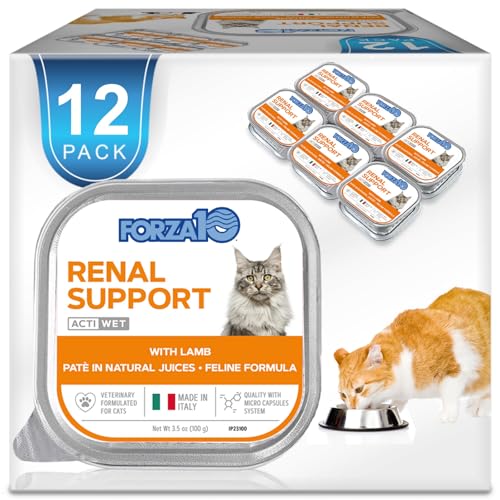
Forza10 Vet-Formulated Renal Wet Cat Food
Controlled-phosphorus canned food with lamb
Haven Pet Insurance for Senior Cats.Coverage for accidents, illness, and the chronic conditions that drive the biggest senior-cat vet bills (kidney disease, hyperthyroidism, diabetes). Get a fast, free quote using your cat’s breed, age, and zip, then see your monthly premium before you commit.Sponsored
The Cost of Diagnosis
Kidney disease is usually caught one of two ways: through routine senior screening before symptoms appear, or when an owner notices increased thirst, urination, and weight loss. Either way, confirming the diagnosis and establishing a baseline involves several tests.
- Senior wellness exam: $60 to $120
- Full blood panel with SDMA and creatinine: $120 to $300
- Urinalysis with specific gravity and protein: $40 to $120
- Blood pressure measurement: $30 to $80
- Abdominal ultrasound (optional): $300 to $600
A typical diagnosis workup lands between $300 and $800, more if imaging is added. This establishes your cat's IRIS stage, which guides every treatment decision that follows.
The Monthly Cost of Management
Once diagnosed, treatment shifts to ongoing management. The exact mix depends on your cat's stage, but the building blocks are consistent.
Prescription Renal Diet: $40 to $90 Per Month
A therapeutic kidney diet is the cornerstone of feline CKD care. It restricts phosphorus, provides moderate high-quality protein, and adds omega-3s and potassium. Wet renal food is usually preferred for its moisture. Most cats eat a combination of wet and dry renal food, putting monthly food costs in this range.
Tip: Buying renal wet food by the case during sales, and pairing it with a cat water fountain to boost hydration, helps stretch your budget while supporting the kidneys.
Phosphorus Binders: $10 to $40 Per Month
When diet alone cannot keep blood phosphorus in target range, a binder mixed into food traps dietary phosphorus before it is absorbed. Binders come as powders, gels, or chews and are an inexpensive but important part of slowing progression.
Blood Pressure and Anti-Nausea Medication: $10 to $60 Per Month
Many CKD cats develop high blood pressure, treated with a daily medication like amlodipine, and some need an appetite stimulant or anti-nausea drug as the disease advances. Generic versions filled at a human pharmacy often cost a fraction of the brand-name price.
Subcutaneous Fluids: $20 to $50 Per Month
In moderate to advanced stages, subcutaneous fluids given under the skin help flush waste and ease nausea. Given at home, the supplies are inexpensive: a fluid bag runs $15 to $30, and needles and a line add $20 to $40 and last weeks. The main cost is the single visit to learn the technique.
Monitoring Bloodwork: $20 to $60 Per Month (Averaged)
Recheck bloodwork and urinalysis every three to six months keep treatment on track. Averaged over the year, this adds a modest monthly amount that prevents far more expensive crises.
Reimbursement for renal diets, meds, and bloodwork.Coverage for accidents, illness, and the chronic conditions that drive the biggest senior-cat vet bills (kidney disease, hyperthyroidism, diabetes). Get a fast, free quote using your cat’s breed, age, and zip, then see your monthly premium before you commit.Sponsored
Cost by Stage of Disease
Costs generally rise as kidney disease advances through the IRIS stages:
- Stage 2 (mild): roughly $60 to $130 per month, mainly diet and monitoring
- Stage 3 (moderate): roughly $120 to $220 per month, adding binders, medication, and possibly fluids
- Stage 4 (advanced): roughly $180 to $300+ per month, with frequent fluids, multiple medications, and closer monitoring
Senior Cat Wellness & Care Planner
Track your aging cat's health, meds, vet visits, mobility, nutrition, and quality of life, all in one printable planner.
The First-Year Total
Adding diagnosis to a year of management, most owners of a cat in stage 2 or 3 spend roughly $1,200 to $3,200 in the first year. That number sounds daunting as a lump sum, but it arrives gradually as monthly food, medication, and recheck costs, which makes it far more manageable to plan for. Use our senior cat cost calculator to fold these figures into your overall budget.
How to Manage the Expense
- Learn home subcutaneous fluids. This single skill can save hundreds of dollars a year versus clinic administration.
- Ask about pharmacy options. Generic amlodipine and other drugs are often cheaper at a human pharmacy.
- Buy food by the case. Renal wet food bought in bulk during sales lowers your largest recurring cost.
- Stay current on monitoring. Catching a phosphorus or blood pressure problem early prevents an emergency visit.
- Check insurance status. If your cat was insured before diagnosis, diet, fluids, and medication may be reimbursable.
The Bottom Line
Treating feline kidney disease is an ongoing commitment, but the costs are mostly predictable and spread across months rather than landing all at once. With a renal diet, attention to hydration, the right medications, and steady monitoring, many cats live comfortably for years after diagnosis. Understanding the numbers up front lets you focus on what matters most: keeping your cat feeling well for as long as possible.
Related Guides
- Kidney Disease in Senior Cats - The stages, signs, and full care plan explained.
- How Much Does Senior Cat Care Cost Per Month? - Where kidney care fits in the bigger budget.
- Best Pet Insurance for Senior Cats - Why enrolling before diagnosis matters.
Pet Insurance · Sponsored
Protect Your Senior Cat From Surprise Vet Bills
Older cats are more prone to kidney, dental, and thyroid trouble, and a single emergency visit can run into the hundreds or thousands. Pet insurance can help you say yes to the care your cat needs without draining your savings. Get a free quote and see what coverage fits.
Frequently Asked Questions
How much does it cost to treat kidney disease in a cat?
Ongoing management of feline chronic kidney disease typically costs $80 to $250 per month once you combine a prescription renal diet, phosphorus binders, blood pressure medication if needed, and periodic bloodwork. The initial diagnosis workup adds $300 to $800. Costs rise in advanced stages when subcutaneous fluids, anti-nausea medication, and more frequent rechecks become part of the routine.
What does the initial kidney disease diagnosis cost?
Diagnosing CKD usually involves a senior exam, a full blood panel including SDMA and creatinine, a urinalysis with urine specific gravity, and often a blood pressure check and urine protein test. Together these run about $300 to $800 depending on your region. If your vet adds an abdominal ultrasound to look at kidney structure, expect another $300 to $600.
How much does a prescription renal diet cost?
Veterinary therapeutic kidney diets cost more than standard food. Dry renal food runs roughly $40 to $70 for a large bag, and a case of renal wet food is typically $30 to $65. Most cats eat a mix, putting monthly food costs around $40 to $90. The added moisture in wet renal food is worth the cost because hydration is central to managing the disease.
What is the cost of subcutaneous fluids for cats?
Subcutaneous fluids are surprisingly affordable when given at home. A bag of fluids costs about $15 to $30, and a box of needles and a drip line adds $20 to $40, often lasting weeks to months. The main expense is the initial vet visit to learn the technique. Many owners spend only $20 to $50 per month on fluid supplies once they are giving them at home.
Does pet insurance cover kidney disease in cats?
Only if the policy was in force before any signs of kidney disease appeared. CKD that is already diagnosed is treated as a pre-existing condition and excluded. This is why enrolling a senior cat while she is still healthy matters so much: a covered cat can have diet, medication, fluids, and bloodwork reimbursed, which substantially offsets the monthly cost of management.
Can I reduce the cost of managing my cat's kidney disease?
Yes. Learn to give subcutaneous fluids at home rather than at the clinic, ask whether medications can be filled at a human pharmacy, buy renal food by the case during sales, and keep up with monitoring so problems are caught before they become emergencies. Generic versions of blood pressure and anti-nausea drugs can also cut costs significantly.
Is treating feline kidney disease worth the cost?
For most cats, yes. Management is more about quality of life than a cure, and many cats live comfortably for one to several years after diagnosis with diet, hydration support, and medication. The costs, while real, are spread over time and largely predictable. Your veterinarian can help you weigh your cat's stage, response to treatment, and comfort to make decisions that fit both your cat and your budget.
Need more help with your aging cat?
Browse our guides by topic to find practical solutions.
Wellness Planner: $39