Pet Insurance for Older Cats: What to Know
A plain-English guide to pet insurance for older cats: age limits, pre-existing exclusions, what is covered, real cost ranges, and how to compare plans fairly.
Insuring an older cat is a genuinely different exercise from insuring a kitten. The questions that barely matter for a young cat, age limits, how a company defines a pre-existing condition, and how high the annual payout cap goes, become the whole ballgame once your cat passes ten. Get those details right and a policy can absorb a frightening vet bill. Get them wrong and you may be paying premiums for coverage that excludes exactly what your cat is most likely to need.
This guide walks through the parts that actually decide whether insurance is worth it for an older cat: the age rules, the pre-existing trap, what comprehensive coverage really includes, honest cost ranges, and a simple way to compare plans. It is educational and meant to support, not replace, a conversation with your own veterinarian.
Senior-Cat Care Essentials

ARCA PET Cat & Dog First Aid Kit for Home and Travel
Thermometer, muzzle, and supplies for a senior-cat emergency

EZY DOSE 7-Day Pet Pill Organizer for Cats
Keeps daily senior-cat medications sorted and on schedule
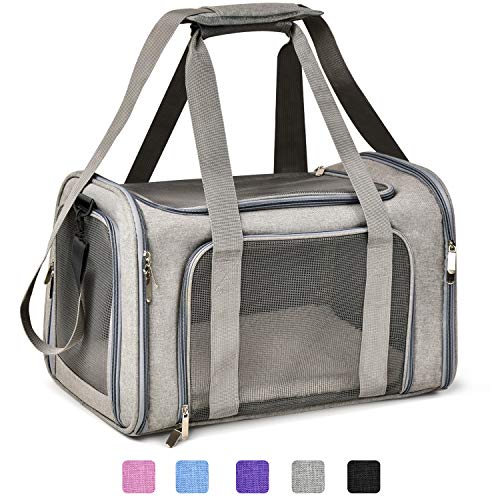
Henkelion Soft-Sided Cat Carrier (TSA Approved)
Low-stress carrier for the more frequent senior vet visits

VETRISCIENCE Senior 27+ Daily Multivitamin Chews for Cats
Vitamins and antioxidants formulated for healthy aging
Haven Pet Insurance for Senior Cats.Coverage for accidents, illness, and the chronic conditions that drive the biggest senior-cat vet bills (kidney disease, hyperthyroidism, diabetes). Get a fast, free quote using your cat’s breed, age, and zip, then see your monthly premium before you commit.Sponsored
Age Limits: Can You Still Enroll?
The first question for any older cat is simply whether an insurer will take her. Companies fall into two camps. Some cap new enrollments at a maximum age, frequently somewhere between 10 and 14, after which they will not start a fresh policy. Others have removed the upper age limit entirely and will enroll a cat at any age.
The important nuance is that age limits apply only to starting coverage. Once your cat is enrolled, nearly every insurer renews the policy for the rest of her life, no matter how old she gets. So the practical rule is straightforward: if you are considering insurance at all, the sooner you enroll, the more options you have and the more conditions you can lock in as covered before they appear.
The Pre-Existing Condition Trap
For an older cat, pre-existing conditions matter more than any other feature. A pre-existing condition is anything that showed signs, was diagnosed, or was treated before your coverage began, including during the waiting period. Insurers exclude these from reimbursement, and for a senior cat the list of likely exclusions reads like a roll call of common geriatric illnesses:
- Chronic kidney disease, the most common serious illness in senior cats
- Hyperthyroidism, an overactive thyroid that affects many cats over ten
- Diabetes and the ongoing insulin costs that come with it
- Dental disease and tooth resorption that older cats frequently develop
- Heart murmurs and cardiac conditions flagged on a senior exam
Some insurers distinguish between curable and incurable pre-existing conditions. A few will cover a problem your cat had in the past if she stays symptom-free for a defined window, often twelve months. Most chronic feline conditions, though, are considered incurable and stay excluded for life. Read the exact policy language on this point, not the marketing summary, because it determines what a policy is actually worth for your cat.
Lock in coverage before conditions appear.Coverage for accidents, illness, and the chronic conditions that drive the biggest senior-cat vet bills (kidney disease, hyperthyroidism, diabetes). Get a fast, free quote using your cat’s breed, age, and zip, then see your monthly premium before you commit.Sponsored
What Pet Insurance Covers for an Older Cat
A comprehensive accident-and-illness policy is built around new problems that arise after coverage starts. For an older cat, the covered events that justify the premium typically include:
- Emergencies: urinary blockages, swallowed objects, falls, and sudden collapse
- New illnesses: a fresh cancer diagnosis, a newly developed thyroid problem, or pancreatitis
- Diagnostics: bloodwork, urinalysis, x-rays, ultrasound, and biopsies tied to a covered issue
- Treatment: surgery, hospitalization, and prescription medication for a covered condition
What it generally does not cover: routine wellness exams, vaccines, dental cleanings, grooming, and anything pre-existing. Some insurers sell an optional wellness add-on that reimburses part of preventive care, but it usually costs roughly what the care itself would, so treat it as a budgeting tool rather than a money-saver.
What It Costs
Premiums for older cats are higher than for young ones, and they tend to climb at each renewal as your cat ages. The table below shows rough monthly ranges for comprehensive coverage, though your real number depends heavily on zip code and the limits you choose.
| Cat's age | Typical monthly premium | Notes |
|---|---|---|
| Young adult (2-6) | $15 to $30 | Lowest rates, broadest acceptance |
| Early senior (10-12) | $30 to $50 | Still enrollable at most insurers |
| Senior (13-15) | $45 to $70 | Fewer insurers accept new enrollments |
| Geriatric (16+) | $60+ | Look specifically for no-age-limit plans |
Three settings move your premium up or down: the reimbursement percentage (often 70, 80, or 90 percent), the annual payout limit, and the deductible. For an older cat likely to file real claims, a higher annual limit usually matters more than squeezing out the lowest possible premium.
Senior Cat Wellness & Care Planner
Track your aging cat's health, meds, vet visits, mobility, nutrition, and quality of life, all in one printable planner.
How to Compare Plans for an Older Cat
When you are weighing options for a senior cat, work through these questions in order:
- Will it enroll my cat's age? Confirm there is no upper age limit that excludes her.
- How is pre-existing defined, and is anything reversible? Get the exact wording in writing.
- Is the annual limit high enough? Picture a worst-case year of surgery plus ongoing medication.
- What is the real premium for my zip and her age? Run a personalized quote, not the advertised teaser price.
- How are chronic conditions handled at renewal? Make sure a condition covered this year stays covered next year.
- What are the waiting periods? Shorter is better, and enrolling while healthy avoids the pre-existing trap.
When a Savings Fund Makes More Sense
For a cat who already carries several pre-existing conditions, insurance offers less, because the most likely claims would be excluded from the start. In that situation, a dedicated savings account often serves better. Setting aside $50 to $100 per month builds a flexible cushion you fully control, with no exclusions or waiting periods. Our guide to building an emergency vet fund for cats covers how much to save and how fast.
The Bottom Line
Pet insurance for an older cat works best when you buy it before a chronic condition appears, from an insurer that accepts her age, with an annual limit high enough to absorb a major illness. The pre-existing rules are the deciding factor, so read them closely and run a real quote with your cat's details before comparing anything else. Whether you choose a policy or a self-funded cushion, having a plan in place turns a scary diagnosis into a medical decision rather than a financial crisis.
For a sense of the everyday costs insurance is meant to supplement, see how much senior cat care costs per month, and use our cost calculator to estimate your own numbers.
Related Guides
- Best Pet Insurance for Senior Cats - A deeper buyer's framework for comparing plans.
- Is Pet Insurance Worth It for Old Cats? - An honest look at when coverage pays off.
- Emergency Vet Fund for Cats - The self-insurance alternative, step by step.
Pet Insurance · Sponsored
Protect Your Senior Cat From Surprise Vet Bills
Older cats are more prone to kidney, dental, and thyroid trouble, and a single emergency visit can run into the hundreds or thousands. Pet insurance can help you say yes to the care your cat needs without draining your savings. Get a free quote and see what coverage fits.
Frequently Asked Questions
Is there an age limit for insuring an older cat?
Some insurers set an upper enrollment age, often around 14, while a growing number have no maximum age at all. The limit applies only to starting a new policy: once a cat is enrolled, most companies let you renew for life regardless of age. If your cat is in her teens, look specifically for an insurer that accepts senior enrollments, and run a quote with her real birthdate to confirm she qualifies before you compare anything else.
What is a pre-existing condition for an older cat?
A pre-existing condition is any illness or injury that showed signs, was diagnosed, or was treated before your policy's coverage start date, including the waiting period. For an older cat, that commonly means kidney disease, hyperthyroidism, diabetes, dental disease, or heart murmurs. Insurers exclude these from coverage permanently in most cases. This is the single biggest reason to enroll a cat while she still appears healthy, because once a chronic condition appears, that specific problem can no longer be covered.
How much does pet insurance cost for an older cat?
Comprehensive accident-and-illness coverage for a senior cat typically runs $30 to $70 per month, compared with $15 to $30 for a young adult cat. Your premium depends on the cat's age, your zip code, the reimbursement percentage, the annual limit, and the deductible. Premiums also tend to rise at each renewal as your cat ages. Always pull a personalized quote, because advertised starting prices almost never reflect what a cat over ten will actually pay.
What does insurance cover for a senior cat?
A comprehensive policy covers new accidents and illnesses: things like a urinary blockage, a cancer diagnosis, a broken tooth, a swallowed object, or a newly developed thyroid problem. Diagnostics such as bloodwork, x-rays, and ultrasound are usually included, along with surgery, hospitalization, and prescription medication tied to a covered condition. Routine wellness care, dental cleanings, grooming, and anything pre-existing are generally excluded unless you add an optional wellness rider.
Is pet insurance worth it for an older cat?
It depends on your cat's current health and your tolerance for a surprise bill. A senior cat with no diagnosed conditions can still be covered for future illnesses, which makes insurance genuinely valuable since older cats face higher odds of a four-figure emergency. A cat who already has several pre-existing conditions gets less value, because the most likely claims would be excluded. For that cat, a dedicated savings fund may be the better route.
Can I switch insurers once my cat is older?
You can, but it usually is not wise. Switching restarts the clock: any condition your current cat has developed becomes pre-existing under the new policy and is excluded. The longer you have held a policy, the more valuable it becomes, because conditions covered under your original plan stay covered. Only consider switching if your cat is still completely healthy, or if the new plan covers something material that your old one never did.
How fast does a new policy start covering my cat?
Most policies have a waiting period before coverage begins, commonly around 14 days for illnesses and 48 hours to a few days for accidents. Some impose longer waits, six months or more, for specific issues. Anything that shows symptoms during the waiting period is treated as pre-existing and excluded. With an older cat, this is why timing matters: enroll before a problem surfaces rather than after the first worrying vet visit.
Need more help with your aging cat?
Browse our guides by topic to find practical solutions.
Wellness Planner: $39