Best Cat Grooming Gloves for Senior Cats 2026
Compare 5 cat grooming gloves for senior cats: gentle silicone deshedding mitts older cats accept, plus how to groom thin-skinned, arthritic aging cats safely.
As cats age, they groom themselves less. Arthritis makes the twist to reach the spine, hindquarters, and tail painful, so the coat of an older cat often turns greasy, flaky, or matted in exactly the places they can no longer reach. The trouble is that many of these same cats also hate being brushed, and forcing a wire slicker on a stiff, sensitive senior only makes grooming a battle.
Grooming gloves solve that standoff. Because they feel like petting, a glove lets you remove loose fur and stimulate the skin during a stroking motion most cats already enjoy. We compared popular grooming gloves using their materials, nub design, and the consistent themes in verified owner reviews, judged against what gentle, low-stress grooming should look like for an aging cat. Below are five options, a comparison table, and how to choose.
Best Cat Grooming Gloves for Senior Cats 2026
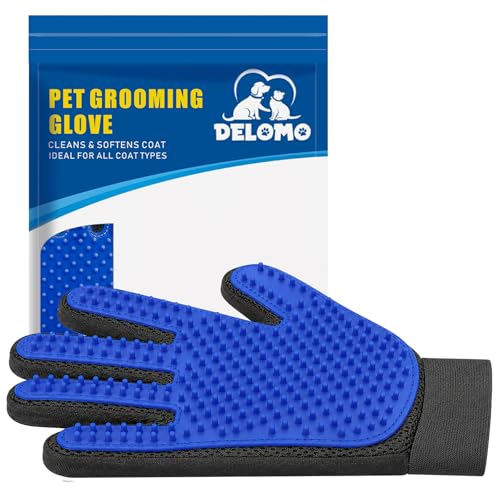
DELOMO DELOMO Pet Grooming Glove
Soft silicone tips that feel like petting, ideal for a senior cat that hates brushes.
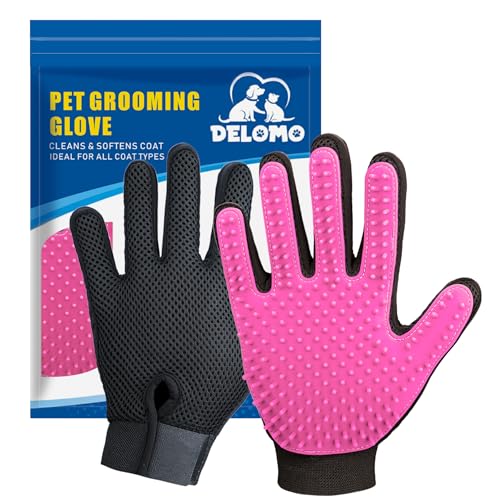
DELOMO DELOMO Upgrade Grooming Gloves
255 silicone nubs per glove for more deshedding with the same gentle, petting feel.

NVNAN NVNAN 2-in-1 Deshedding Glove
Doubles as a deshedding brush and grooming mitt for loose senior undercoat.
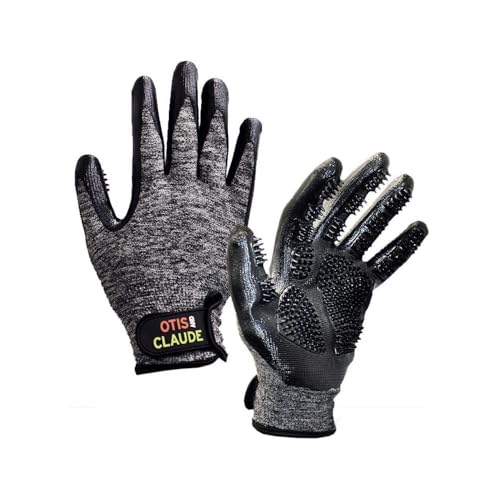
Otis and Claude Otis and Claude Grooming Gloves
Deshedding and bathing mitt that stays gentle on thin, sensitive aging skin.
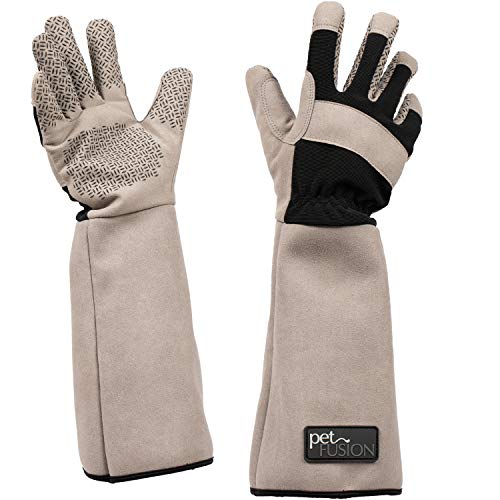
PetFusion PetFusion Multipurpose Gloves
Versatile grooming gloves handy for shedding, bath time, and calming vet trips.
How Do These Grooming Gloves Compare?
| Glove | Price | Type | Best For |
|---|---|---|---|
| DELOMO | $8 | Silicone mitt | Brush-averse seniors, everyday use |
| DELOMO Upgrade | Check | 255-nub silicone | More deshedding, thick coats |
| NVNAN 2-in-1 | $10 | Glove and brush | Heavy shedders, versatility |
| Otis and Claude | $17 | Deshed and bath mitt | Thin-skinned, sensitive cats |
| PetFusion | $20 | Multipurpose | Grooming plus calming handling |
How We Picked These Gloves
This roundup is research-based, not a hands-on test. We compared the softness and density of each glove's silicone tips, fit and adjustability, washability, and the recurring patterns in verified owner reviews, then weighed them against what gentle grooming should look like for an aging cat. Our priority was a glove soft enough for thin senior skin yet effective enough to pull loose undercoat, since the whole point is low-stress deshedding a nervous or arthritic cat will accept. We favored designs with comfortable wrist straps for control, easy cleaning, and a track record of being tolerated by cats that dislike traditional brushes.
A Closer Look at Each Glove
DELOMO Pet Grooming Glove
The DELOMO is the default recommendation for a reason. Its soft silicone tips feel enough like a hand that cats who flee from brushes will often sit happily through a full grooming session. It removes loose fur and dander effectively while you control the pressure, which is ideal for staying gentle over a senior's bony spine and hips. Affordable and easy to rinse clean, it is the best starting point for an older cat that resists every other tool.
Pros: Very gentle, well tolerated, inexpensive, easy to clean.
Cons: Light deshedding only; not for tight mats.
DELOMO Upgrade Grooming Gloves
The upgraded version packs 255 silicone nubs per glove, capturing noticeably more loose fur per stroke while keeping the same petting-like feel. It is a good step up for seniors with thicker coats or heavier seasonal shedding, where the basic glove can take a while to keep up. The denser tips do a bit more work without becoming harsh, so it remains appropriate for sensitive aging skin used gently.
Pros: More deshedding power, still gentle, comfortable fit.
Cons: Slightly firmer feel; overkill for short, thin coats.
NVNAN 2-in-1 Deshedding Glove
This option pairs a grooming glove with a deshedding brush function, giving you two tools in one for a heavy-shedding senior. The glove side handles bonding and loose fur, while the firmer brushing element reaches deeper undercoat. The versatility is handy, though the brush side should be used lightly on an older cat, since it is firmer than plain silicone. For owners managing a lot of shedding, the dual design earns its keep.
Pros: Two functions, good for heavy shedders, affordable.
Cons: Brush side firmer; go light on thin skin.
Otis and Claude Grooming Gloves
These deshedding and bathing mitts emphasize a gentle feel, which makes them a thoughtful pick for a senior with thin, sensitive skin or for cats that tolerate grooming during or after a bath. They remove loose fur smoothly and can double for distributing water or waterless shampoo at bath time. A touch pricier than basic gloves, they reward owners who want a softer, more refined grooming experience for a delicate older cat.
Pros: Gentle, doubles for bathing, comfortable.
Cons: Higher price; modest deshedding power.
PetFusion Multipurpose Gloves
PetFusion's gloves are built to be versatile, useful for routine grooming, bath time, and even calming, hands-on handling during stressful moments like vet visits. For an anxious senior, the familiar feel of a grooming glove can help settle them while you check their body or move them gently. They are the most expensive option here, but the all-purpose design appeals to owners who want one tool that does several jobs around an older, sometimes nervous cat.
Pros: Multipurpose, helpful for handling and vet trips, durable.
Cons: Priciest pick; general-purpose rather than specialized.
Grooming an Older Cat Gently
- Keep sessions short. A few minutes several times a week beats one long session a stiff senior will resist.
- Follow the petting. Start where your cat likes to be touched and let the glove feel like affection, not a chore.
- Stay light over bones. Use a soft touch along the spine, hips, and shoulders where senior skin is thin.
- Check as you go. Grooming is your chance to feel for new lumps, scabs, or sore spots and report them to your vet.
- Leave tight mats to a pro. Have a groomer or veterinarian clip dense mats safely rather than tugging them.
A coat that suddenly looks greasy, flaky, or unkempt can signal that an older cat is in pain or unwell, since reduced self-grooming is a common sign of arthritis and other illness. Use grooming as both care and observation, and report changes to your veterinarian. This guide is educational and complements, but does not replace, professional veterinary advice.
Senior Cat Wellness & Care Planner
Track your aging cat's health, meds, vet visits, mobility, nutrition, and quality of life, all in one printable planner.
Related Senior Cat Guides
Pet Insurance · Sponsored
Protect Your Senior Cat From Surprise Vet Bills
Older cats are more prone to kidney, dental, and thyroid trouble, and a single emergency visit can run into the hundreds or thousands. Pet insurance can help you say yes to the care your cat needs without draining your savings. Get a free quote and see what coverage fits.
Frequently Asked Questions
Why are grooming gloves good for senior cats?
Many older cats dislike or fear traditional brushes, but tolerate the feel of being petted with a soft silicone glove. For a senior with thin skin, sore joints, or a history of grooming less on their own, a glove lets you remove loose fur and stimulate circulation during a gentle stroking motion the cat already enjoys. It turns grooming into affection rather than a struggle, which matters most for arthritic cats that flinch from firmer tools. The low-stress experience helps you keep up with the matting and shedding seniors can no longer manage alone.
Are grooming gloves gentle enough for a cat with thin skin?
Yes, that is one of their main advantages. The flexible silicone nubs on a grooming glove are far softer than a wire slicker brush, so they are well suited to the thinner, more delicate skin of an aging cat. You control the pressure through your hand, which lets you stay light over bony areas like the spine and hips. Still, groom gently and watch for any redness, scabs, or sore spots, and stop if your cat shows discomfort. Always be careful around lumps, which are more common in seniors and should be checked by a veterinarian.
Can a grooming glove remove mats?
Gloves are best for loose fur, light tangles, and routine deshedding, not for breaking up tight mats. A senior cat that has stopped grooming its rear and hindquarters can develop dense mats that a glove will only graze. For those, use a proper detangling tool gently or, when mats are tight against the skin, have a groomer or your veterinarian clip them safely. A glove is excellent for preventing mats by removing loose undercoat before it tangles, which is exactly where it shines for an older cat.
How often should I groom my senior cat with a glove?
A few minutes several times a week is ideal for most senior cats, and daily is fine if your cat enjoys it. Older cats groom themselves less because arthritis makes twisting to reach the back and hindquarters painful, so they need more help than they did as youngsters. Short, frequent sessions remove loose fur before it mats, cut down on hairballs, and give you a regular chance to feel for new lumps, scabs, or sore areas. Keep each session brief and pleasant so it stays something your cat looks forward to.
Are grooming gloves better than brushes for cats?
Neither is universally better; they serve different cats. Gloves win on tolerance, since a nervous or arthritic senior that hates a brush will often accept a glove because it feels like petting. Brushes win on power, reaching deeper into a thick coat and tackling light tangles a glove cannot. Many owners of older cats keep both: a glove for everyday deshedding and bonding, and a gentle brush or comb for the spots that need more. For a cat that fights all grooming, the glove is usually the place to start.
Will a grooming glove help with hairballs?
Indirectly, yes. Hairballs form when a cat swallows loose fur while self-grooming, and seniors that over-groom or simply ingest more shedding undercoat are prone to them. Regularly removing that loose fur with a glove means there is less for your cat to swallow, which can reduce hairball frequency. It is one piece of the picture alongside hydration, diet, and sometimes a vet-recommended hairball remedy. If your senior cat vomits frequently or strains without producing a hairball, see your veterinarian, since that can signal a more serious problem.
Need more help with your aging cat?
Browse our guides by topic to find practical solutions.
Wellness Planner: $39