Reducing Vet Visit Stress for Your Senior Cat
Practical, vet-informed ways to make vet visits calmer for an older cat: carrier training, Feliway, the covered carrier, pre-visit gabapentin, low-stress handling, and cat-friendly clinics.
For many devoted owners, the hardest part of caring for an aging cat is not the illness itself but getting a terrified cat to the veterinarian to treat it. The yowling in the car, the flattened ears in the waiting room, the struggle on the exam table: it is distressing for everyone, and it can tempt owners to skip the very visits a senior cat needs most. The good news is that vet stress is highly reducible with a few thoughtful changes.
This guide gathers the practical, low-stress techniques that veterinary behaviorists and Fear Free clinics actually recommend, from carrier training to pheromones to pre-visit medication your vet can prescribe. None of it replaces regular veterinary care, which senior cats need more than ever. The aim is to make that care calmer, safer, and kinder for your older cat.
Low-Stress Vet Visit Essentials
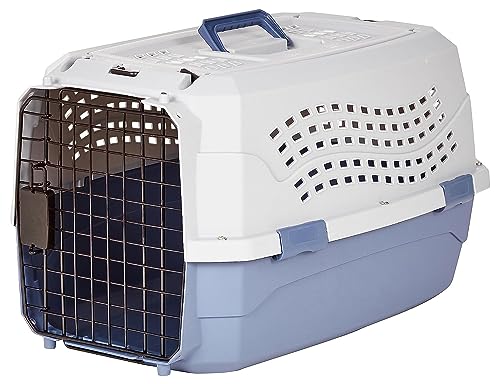
Amazon Basics Top-Loading Hard-Sided Carrier
A removable top lets the vet examine your cat in the base, no dragging out

FELIWAY FELIWAY Classic Calming Spray
Spray a towel and the carrier 15 minutes before travel to reassure your cat

PureBites PureBites Freeze-Dried Chicken Treats
High-value rewards for carrier training and post-visit comfort

Morpilot Soft-Sided Cat Carrier
A cozy, low-entry option some cats prefer for short trips
Start With the Carrier
For most cats, the fear begins the moment the carrier appears, because it only ever comes out before something frightening. Breaking that association is the highest-impact thing you can do.
- Leave it out year-round. Keep the carrier in a favorite room with the door open, so it becomes ordinary furniture rather than a trap.
- Make it inviting. Add a soft, familiar-smelling blanket and feed occasional treats or meals inside so your cat chooses to go in.
- Choose a top-loading hard carrier. A carrier whose top half unclips lets the vet examine your cat while it stays nestled in the base, avoiding the dreaded pull-out. This single feature spares enormous stress.
- Go slow. Over days or weeks, let your cat investigate on its own terms before you ever close the door.
Pheromones and the Covered Carrier
Two simple comforts work well together. Feliway is a synthetic version of the friendly facial pheromone cats use to mark safe territory, and many owners spray a Feliway-treated towel inside the carrier about 15 minutes before travel. It is not a sedative, but as one piece of a calming routine it can take the edge off.
Then cover the carrier. Draping a towel or blanket over it, ideally one sprayed with pheromone, creates a dark, den-like hideaway that blocks the alarming sights of the car and the waiting room. Keep airflow open at one end. In the clinic, keep the covered carrier up on your lap or a chair, away from dogs and other cats on the floor.
Calming Add-Ons for Travel Day

FELIWAY FELIWAY Travel Calming Spray
A travel-size pheromone spray for carriers and towels on the go

Delectables Delectables Savory Broths
A lickable, easy treat to settle your cat before and after the visit
Ask Your Vet About Pre-Visit Medication
For a genuinely fearful cat, do not overlook one of the most effective tools: a calming medication given at home before the appointment. Gabapentin is commonly prescribed as a single dose a couple of hours before travel. It noticeably eases fear and makes the whole visit gentler and safer, and many cats that once had to be wrestled become calm and cooperative with it.
Your veterinarian sets the dose based on your cat's weight and health, which matters especially in senior cats with kidney disease, so this is a conversation to have rather than something to improvise. Never give human sedatives, leftover pills, or anything not prescribed for your cat. Far from being a failure, pre-visit medication is a recognized kindness that good clinics actively encourage.
Low-Stress Handling and Cat-Friendly Clinics
How your cat is handled at the clinic matters enormously. Low-stress handling means working with the cat rather than forcing it: minimal restraint, letting the cat stay in the carrier base when possible, using a familiar towel, warmed surfaces, and a quiet, unhurried pace.
You can choose a practice built around this philosophy. Cat-friendly clinics, certified through feline veterinary programs, and Fear Free certified professionals are specifically trained to reduce animal stress. They often offer separate cat waiting areas or appointment times, calm exam rooms, and gentle, low-restraint techniques. For an anxious senior cat, switching to such a clinic can genuinely transform the experience, and cats often grow easier to bring in over time.
Senior Cat Wellness & Care Planner
Track your aging cat's health, meds, vet visits, mobility, nutrition, and quality of life, all in one printable planner.
Travel Day, Step by Step
- Prepare early. Have the carrier out and familiar well before the appointment, not pulled from a closet that morning.
- Medicate if prescribed, giving any pre-visit gabapentin at the time your vet specifies.
- Spray and cover. Treat a towel with pheromone, place it inside, load your cat gently, and drape the carrier.
- Secure the car ride. Belt the carrier in place, keep the car cool and quiet, and avoid loud music or sudden stops.
- Stay calm yourself. Cats read your tension, so a soft voice and unhurried manner reassure them.
- Reward afterward. Offer a favorite treat and a quiet, safe space to decompress when you get home.
Do Not Skip Care to Avoid Stress
It is tempting to conclude that a cat who hates the vet should simply go less often, but for senior cats this is the wrong lesson. Older cats are masters at hiding illness, and many serious conditions are caught only through routine exams and bloodwork. The solution is to lower the stress of the visit, not to skip the visit. With a familiar carrier, pheromones, a calming cover, vet-prescribed medication, and a cat-friendly clinic, even an anxious senior cat can get the regular care that keeps it comfortable and well for years to come.
Related Guides
- Senior Cat Anxiety: Causes and Calming Solutions - Everyday anxiety beyond the vet.
- Best Pheromone Diffusers for Cats - Calming support for home and travel.
- How to Give a Cat a Pill - For pre-visit and at-home medication.
Pet Insurance · Sponsored
Protect Your Senior Cat From Surprise Vet Bills
Older cats are more prone to kidney, dental, and thyroid trouble, and a single emergency visit can run into the hundreds or thousands. Pet insurance can help you say yes to the care your cat needs without draining your savings. Get a free quote and see what coverage fits.
Frequently Asked Questions
Why does my cat get so stressed at the vet?
Vet visits stack up nearly everything a cat finds frightening: leaving its territory, a jolting car ride, unfamiliar smells and sounds, other animals, and handling by strangers. Cats are creatures of routine and scent, so being removed from their safe space triggers a strong fear response. Senior cats often feel it more keenly because of arthritis pain, fading senses, or cognitive decline that makes change harder to process. Understanding that the fear is instinctive, not stubbornness, helps you respond with patience rather than frustration.
How do I get my cat used to the carrier?
Make the carrier a normal piece of furniture rather than a trap that only appears before vet trips. Leave it out in a favorite room with the door open, a soft familiar blanket inside, and the occasional treat or meal served in it. Let your cat explore on its own terms over days or weeks. A hard carrier whose top half lifts off is ideal, because the vet can examine your cat in the bottom half rather than dragging it out. Calm familiarity beats a last-minute battle every time.
Does Feliway actually help cats at the vet?
Many owners and clinics find it helpful as one part of a larger plan. Feliway is a synthetic copy of the facial pheromone cats deposit when they rub on safe objects, and it can signal reassurance. Spraying a Feliway-treated towel inside the carrier about 15 minutes before travel, then draping the carrier, is a common low-stress trick. It is not a sedative and will not calm a terrified cat by itself, but combined with carrier training, covering, and gentle handling it can take the edge off the experience.
Can my vet prescribe something to calm my cat before a visit?
Yes, and it is worth asking about for a genuinely fearful cat. Gabapentin is commonly prescribed as a single dose given at home a couple of hours before the appointment, and it noticeably reduces fear and makes handling safer and gentler for many cats. Your veterinarian sets the dose based on your cat's weight and health, which matters in senior cats with kidney disease. Never give human sedatives or leftover medications. Pre-visit anti-anxiety medication is a kindness, not a failure, and good clinics encourage it.
Should I cover my cat's carrier during travel?
Yes, in most cases. Draping a towel or blanket over the carrier creates a dark, den-like space that helps a frightened cat feel hidden and secure, and it blocks the unsettling sights of the car and waiting room. Spraying the cover with a calming pheromone beforehand adds to the effect. Make sure airflow is not completely blocked. In the waiting room, keep the covered carrier up on a chair or your lap rather than on the floor, away from dogs and other cats.
What is a Fear Free or cat-friendly clinic?
These are practices that have trained staff and redesigned their approach specifically to reduce animal stress. Cat-friendly clinics, certified through programs run by feline veterinary groups, often have separate cat waiting areas or appointment times, quiet exam rooms, warmed tables, and staff skilled in gentle, low-restraint handling. Fear Free certified professionals use similar techniques. For an anxious senior cat, choosing such a practice can transform the experience, and many owners find their cat becomes noticeably easier to bring in over time.
Is it better to skip vet visits if my cat hates them so much?
No. Senior cats need regular checkups precisely because they hide illness so well, and many treatable diseases are caught only through routine exams and bloodwork. The answer to a stressful vet visit is to make it less stressful, not to avoid it. Carrier training, pheromones, a covered carrier, vet-prescribed pre-visit medication, and a cat-friendly clinic can turn a dreaded ordeal into a manageable one. Skipping care to spare short-term stress risks far greater suffering from undetected disease down the road.
Need more help with your aging cat?
Browse our guides by topic to find practical solutions.
Wellness Planner: $39