Senior Birman Cat Care Guide
Caring for an aging Birman: HCM heart disease, polycystic kidney disease, coat care, hydration, dental health, and the best products for a gentle senior Birman.
The Birman, the Sacred Cat of Burma, is a strikingly beautiful breed: a silky pale coat with darker points, deep blue eyes, and the signature pure white "gloves" on every paw. Beyond the looks, the Birman is treasured for its temperament, gentle, quiet, and deeply devoted, a calm lap cat that bonds tightly with its people. That affectionate, easygoing nature makes the Birman a wonderful senior companion.
With a typical lifespan of 12 to 16 years, most Birmans are considered senior around age 9 or 10. The Birman is a generally robust breed, but it carries a couple of inherited risks worth understanding: heart disease and kidney disease. This guide walks through those concerns, along with the coat, hydration, and daily care that keep an aging Birman comfortable. It is educational and meant to complement, not replace, the care of your veterinarian.
Top Picks for Senior Birmans

VICSOM Taurine & CoQ10 Heart Chews
Taurine, CoQ10, and L-carnitine to support the heart in an HCM-prone breed.
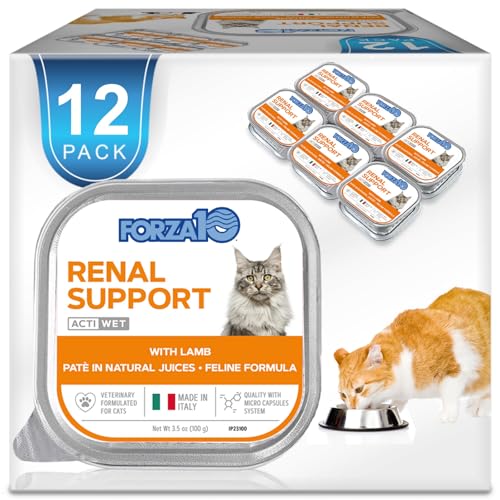
Forza10 Renal Support Wet Cat Food
Vet-formulated, phosphorus-controlled food for a PKD-prone breed.
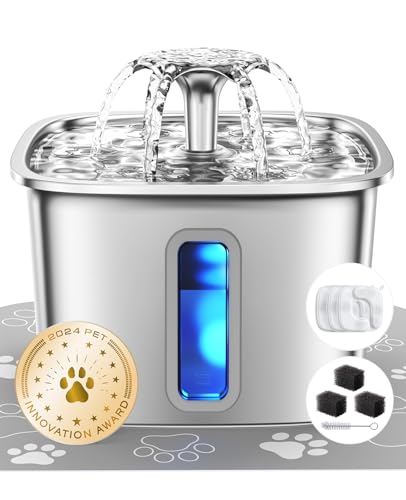
Veken Stainless Steel Water Fountain
Encourages drinking to support kidneys vulnerable to cysts.
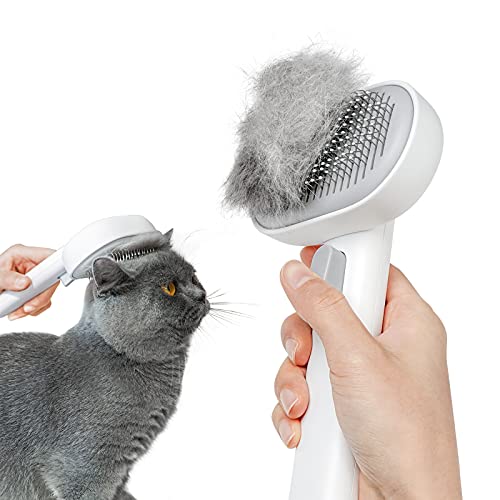
Aumuca Soft Cat Grooming Brush
Gently maintains the silky single coat and checks for skin changes.
Hypertrophic Cardiomyopathy in the Birman
Hypertrophic cardiomyopathy is the heart disease most relevant to the Birman, as it is to a wide range of cat breeds. In HCM, the muscular wall of the heart's main pumping chamber thickens, so it holds less blood and cannot relax to fill properly. The condition is dangerous precisely because it is usually silent: many cats show no outward sign until they suddenly suffer heart failure, a painful blood clot known as a saddle thrombus, or sudden death.
Because the disease hides, periodic echocardiograms by a veterinary cardiologist are the most reliable way to detect it. At home, count your sleeping cat's breaths over a full minute: a healthy cat usually stays under 30, and a consistent rise can be an early warning of fluid building up around the lungs. A senior Birman should also have its blood pressure checked at each visit, since high blood pressure strains the heart. Learn more in our guide to heart disease and HCM in senior cats.
Haven Pet Insurance for Senior Cats.Coverage for accidents, illness, and the chronic conditions that drive the biggest senior-cat vet bills (kidney disease, hyperthyroidism, diabetes). Get a fast, free quote using your cat’s breed, age, and zip, then see your monthly premium before you commit.Sponsored
Polycystic Kidney Disease
The Birman also carries a risk of polycystic kidney disease, the inherited disorder best known in Persians but reported across several related breeds. In PKD, fluid-filled cysts are present in the kidneys from birth and slowly enlarge over the years, gradually crowding out and destroying healthy tissue. The result is chronic kidney disease, often emerging in middle age or the early senior years.
The early signs are the classic kidney signals: drinking more water, producing larger clumps in the litter box, losing weight, and eating less. PKD can be confirmed with a kidney ultrasound or, in many lines, a DNA test, and reputable breeders screen to reduce its spread. For a senior Birman, the practical takeaway is routine monitoring: bloodwork and a urinalysis twice a year, including the SDMA marker that flags kidney decline early. When disease is caught before symptoms appear, a phosphorus-controlled diet and good hydration can add comfortable years. See our guide to kidney disease in senior cats.
Senior Cat Wellness & Care Planner
Track your aging cat's health, meds, vet visits, mobility, nutrition, and quality of life, all in one printable planner.
Coat Care for a Silky Single Coat
The Birman's coat is one of its pleasures to maintain. Unlike the Persian, the Birman has a silky, medium-length single coat with little undercoat, so it is far less prone to dense mats. Still, an aging Birman grooms itself less as arthritis makes twisting uncomfortable, so tangles can form in the ruff, the britches, and behind the ears, and they tug on thinning senior skin if left alone.
Brush a senior Birman two or three times a week with a gentle brush or comb, working through the coat to remove loose fur and catch small tangles before they tighten. Each session is also a health check: run your hands over the body to feel for new lumps, scabs, or sore spots, and keep an eye on the white gloves and the skin beneath the coat. Regular brushing reduces the fur the cat swallows, which means fewer hairballs as well.
Feeding, Comfort, and Daily Care
Nutrition for a senior Birman centers on protecting the kidneys and heart. Prioritize high-quality protein and plenty of moisture, leaning on senior wet food and a water fountain to keep hydration high, which is especially valuable for a breed prone to kidney cysts. Watch portions, since the calm, less active Birman can gain weight easily, and weigh your cat regularly. If kidney or heart disease is diagnosed, a therapeutic diet may become the foundation of care.
Give this affectionate breed the warm, comfortable resting spots near its people that it loves, soft bedding for aging joints, and an easy-access litter box on each floor. Keep up dental care and nail trims, and use the Birman's love of being handled to make daily health checks a pleasure for you both. Browse our nutrition and comfort and pain sections for more ideas.
Related Senior Cat Guides
- Heart Disease & HCM in Senior Cats - One of the breed's key inherited risks.
- Kidney Disease in Senior Cats - Protecting kidneys prone to cysts.
- Common Health Problems in Senior Cats - The full picture of feline aging.
- All Breed-Specific Senior Cat Guides - Care tailored to your cat's breed.
Pet Insurance · Sponsored
Protect Your Senior Cat From Surprise Vet Bills
Older cats are more prone to kidney, dental, and thyroid trouble, and a single emergency visit can run into the hundreds or thousands. Pet insurance can help you say yes to the care your cat needs without draining your savings. Get a free quote and see what coverage fits.
Frequently Asked Questions
At what age is a Birman considered a senior?
Birmans are generally considered senior around 9 to 10 years of age, with a typical lifespan of 12 to 16 years. The Birman is a sturdy, generally robust breed, but it carries a couple of inherited risks that develop quietly, so an aging Birman benefits from twice-yearly veterinary visits, baseline bloodwork with a urinalysis, blood pressure checks, and a periodic heart screen to catch trouble early.
Are Birmans prone to heart disease?
Yes, hypertrophic cardiomyopathy, or HCM, is recognized in the Birman, as it is in many breeds. The heart muscle thickens, the chamber cannot fill or relax properly, and the disease often hides until heart failure or a blood clot strikes. Senior Birmans benefit from periodic echocardiograms with a cardiologist. At home, counting your sleeping cat's breaths per minute, healthy is usually under 30, gives an early warning of fluid building up.
Do Birmans get polycystic kidney disease?
Polycystic kidney disease, or PKD, has been reported in Birmans, though less commonly than in Persians. Fluid-filled cysts form in the kidneys and slowly enlarge, reducing function until chronic kidney disease develops, usually in middle age or later. A senior Birman should have routine blood and urine testing, and an ultrasound or DNA test can confirm PKD. Early detection lets diet and hydration slow the decline.
How do I groom a senior Birman's coat?
The Birman has a silky, single coat without much undercoat, so it mats less than a Persian, but it still needs brushing two or three times a week, more as the cat ages and grooms itself less. Pay attention to the ruff, britches, and behind the ears. Regular brushing removes loose fur, prevents mats that pull on senior skin, and doubles as a chance to check for lumps or sore spots.
Are Birmans affectionate as they age?
Yes, the Birman is a gentle, quiet, people-loving breed that bonds closely with its family and often grows even more affectionate in old age. They are calm lap cats rather than demanding athletes, which suits a senior lifestyle well. That closeness helps with health monitoring, since an owner who handles their cat daily notices the subtle weight, appetite, and energy changes that signal disease early.
What should I feed a senior Birman?
Feed a high-quality, protein-rich diet with plenty of moisture to support the kidneys, which are a breed weak point given the PKD risk. Many owners rely on senior wet food and a water fountain to keep hydration high. Watch portions to prevent obesity in this calm, less active breed. If kidney or heart disease is diagnosed, your veterinarian may recommend a therapeutic diet tailored to that condition.
How can I tell if my senior Birman is unwell?
Watch for increased thirst and urination and weight loss, which point to kidney disease, and faster breathing, lethargy, or sudden hind-leg weakness, which can signal heart trouble. Add the general senior signals of reduced activity, hiding, dental pain, or litter box changes. Because the Birman is calm and stoic, any of these changes deserves a prompt veterinary visit with bloodwork, since early detection improves the outlook.
Need more help with your aging cat?
Browse our guides by topic to find practical solutions.
Wellness Planner: $39