Common Health Problems in Senior Cats
An overview of the most common senior cat diseases: kidney disease, hyperthyroidism, diabetes, dental disease, arthritis, cancer, and high blood pressure.
Cats are living longer than ever, and with those extra years come the health changes of old age. By the time a cat reaches eleven, the odds of one or more chronic conditions rise sharply, and many senior cats quietly carry more than one at the same time. Because cats are such skilled at hiding illness, the signs are easy to miss until a disease is well advanced.
This guide is an overview of the conditions most likely to affect an aging cat, with links to in-depth articles on each. Think of it as a map: a way to recognize what might be happening and to know when something deserves a veterinary visit. The single most important theme running through all of it is early detection, because nearly every one of these conditions is easier to manage when it is caught early. This is educational information meant to complement, not replace, your veterinarian's care.
Senior Cat Health Essentials

AlphaTRAK Pet Blood Glucose Monitoring Kit
At-home blood sugar checks for diabetic senior cats

Nutramax Joint Health Supplement for Cats
Glucosamine and chondroitin chews for arthritic senior cats
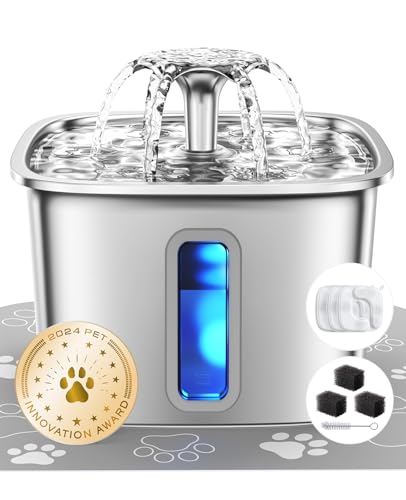
Veken Stainless Steel Cat Water Fountain
Encourages hydration, helpful for kidney and urinary health

Haven Pet Insurance for Senior Cats.Coverage for accidents, illness, and the chronic conditions that drive the biggest senior-cat vet bills (kidney disease, hyperthyroidism, diabetes). Get a fast, free quote using your cat’s breed, age, and zip, then see your monthly premium before you commit.Sponsored
When Is a Cat a Senior?
Veterinarians generally consider a cat senior at around eleven years of age, with cats from eleven to fourteen called senior and those fifteen and older called geriatric. The mature years from about seven to ten are when subtle changes often begin beneath the surface. Because cats age faster than we do, a year is a long time in a senior cat's life, and a great deal can change between annual visits. This is why twice-yearly veterinary exams become so valuable as cats grow older.
The Most Common Senior Cat Conditions
Chronic Kidney Disease
Chronic kidney disease, or CKD, is the most commonly diagnosed serious illness in senior cats. The kidneys gradually lose their ability to filter waste and conserve water, leading to increased thirst and urination, weight loss, and poor appetite. It is highly manageable when caught early, with a therapeutic renal diet, hydration support, and phosphorus control. Learn more in our detailed guide to kidney disease in senior cats.
Hyperthyroidism
Hyperthyroidism is an overactive thyroid gland that floods the body with hormone and revs metabolism into overdrive. The classic picture is weight loss despite a ravenous appetite, often with increased thirst, restlessness, and loud nighttime yowling. It is very treatable and even curable. Read our full guide to hyperthyroidism in senior cats.
Diabetes Mellitus
Diabetes develops when the body can no longer use insulin properly, allowing blood sugar to climb. Affected cats drink and urinate more, lose weight despite eating well, and may become lethargic. Remarkably, with prompt treatment and a low-carb diet, many cats achieve remission. See our guide to diabetes in senior cats.
Dental Disease
Dental disease is nearly universal in older cats and often badly underestimated. Periodontal disease, painful tooth resorption, and severe stomatitis cause chronic pain and infection that can affect the whole body. Many cats keep eating despite real suffering. Our guide to dental disease in senior cats covers signs and treatment.
Arthritis and Mobility Loss
Osteoarthritis is extremely common in senior cats, yet it is one of the most missed conditions because cats rarely limp obviously. Instead they stop jumping to favorite high perches, hesitate at stairs, sleep more, groom less, and may become grumpy when handled. Joint supplements, weight control, soft bedding, easy-access litter boxes, and veterinary pain management can make a real difference to a stiff senior cat's comfort.
Cancer
Cancer becomes more likely with age. Lymphoma is among the most common feline cancers, and signs can include new lumps, weight loss, poor appetite, lethargy, non-healing sores, and changes in eating or elimination. Early diagnosis opens the most treatment options, so any persistent unexplained change deserves a prompt veterinary evaluation.
High Blood Pressure
Hypertension is common in older cats and often develops alongside kidney disease or hyperthyroidism. It is dangerous precisely because it is silent, quietly damaging the eyes, heart, kidneys, and brain. It can cause sudden blindness when the retinas detach. Because it usually shows no signs until harm is done, blood pressure measurement is an important part of every senior checkup, and it is very treatable once found.
Senior Cat Wellness & Care Planner
Track your aging cat's health, meds, vet visits, mobility, nutrition, and quality of life, all in one printable planner.
The Warning Signs That Should Never Be Ignored
Across all of these conditions, certain changes are red flags in a senior cat. Any of the following deserves a veterinary visit rather than a wait-and-see approach.
- Weight loss: Never a normal part of aging, and a top early sign of several serious diseases.
- Increased thirst and urination: A common signal of kidney disease, diabetes, or hyperthyroidism.
- Appetite changes: Either a sharp drop or a sudden ravenous hunger.
- Hiding and reduced grooming: Often a quiet sign of pain or feeling unwell.
- Breathing changes: Faster, harder, or open-mouth breathing is an emergency.
- Litter box changes: Larger clumps, accidents, straining, or blood.
- New lumps or non-healing sores: Always worth having checked.
- Behavior changes: Disorientation, night yowling, or new irritability.
| Condition | Hallmark Signs |
|---|---|
| Kidney disease | Increased thirst and urination, weight loss, poor appetite |
| Hyperthyroidism | Weight loss with big appetite, yowling, restlessness |
| Diabetes | Drinking, urinating, and eating more, yet losing weight |
| Dental disease | Bad breath, drooling, dropping food, reduced grooming |
| Arthritis | Stops jumping, stiffness, hiding, grumpiness when touched |
| Cancer | Lumps, weight loss, lethargy, non-healing sores |
| Hypertension | Often silent; sudden blindness, organ damage |
Editor's Pick · Sponsored
Haven Pet Insurance for Senior Cats
Coverage for accidents, illness, and the chronic conditions that drive the biggest senior-cat vet bills (kidney disease, hyperthyroidism, diabetes). Get a fast, free quote using your cat’s breed, age, and zip, then see your monthly premium before you commit.
The Power of Early Detection
If there is one message to take from this overview, it is that early detection changes everything. Nearly every condition on this list is more manageable, more treatable, and kinder to your cat when it is caught early rather than late. Twice-yearly veterinary exams with screening bloodwork, urinalysis, blood pressure checks, and weight monitoring are the backbone of senior cat care, because they reveal disease before your cat ever looks sick.
You are an essential part of that early-warning system. By weighing your cat regularly, watching its appetite, thirst, litter box, grooming, and behavior, and acting promptly on changes rather than chalking them up to old age, you give your veterinarian the chance to intervene while it matters most. A senior cat with an attentive owner and regular veterinary care can enjoy many comfortable, contented years.
Explore Each Condition in Depth
- Kidney Disease in Senior Cats - The most common serious illness in older cats.
- Hyperthyroidism in Senior Cats - The overactive thyroid that causes weight loss and yowling.
- Diabetes in Senior Cats - A manageable, sometimes reversible disease.
- Dental Disease in Senior Cats - Widespread, painful, and often overlooked.
- Heart Disease and HCM in Senior Cats - The silent danger of feline heart disease.
- Cognitive Dysfunction in Senior Cats - Feline dementia and night yowling.
- Signs Your Old Cat Is in Pain - How to read a cat that hides its discomfort.
Pet Insurance · Sponsored
Protect Your Senior Cat From Surprise Vet Bills
Older cats are more prone to kidney, dental, and thyroid trouble, and a single emergency visit can run into the hundreds or thousands. Pet insurance can help you say yes to the care your cat needs without draining your savings. Get a free quote and see what coverage fits.
Frequently Asked Questions
At what age is a cat considered senior?
Most veterinarians consider cats senior around eleven years of age, with cats from eleven to fourteen labeled senior and those fifteen and older labeled geriatric. The earlier mature stage, roughly seven to ten years, is when subtle changes often begin and proactive screening pays off. Because cats age faster than people and hide illness so well, twice-yearly veterinary exams are recommended for senior cats, even those that appear perfectly healthy, so that disease is caught early.
What is the most common disease in senior cats?
Chronic kidney disease is the most commonly diagnosed serious illness in senior cats, affecting a large share of cats over ten. Hyperthyroidism and diabetes are also very common hormonal diseases of older cats, and dental disease and arthritis are nearly universal in some degree by the senior years. Many older cats have more than one of these conditions at once, which is why a thorough workup and regular monitoring are so valuable.
How often should a senior cat see the veterinarian?
Senior cats should be examined at least twice a year, even when they seem healthy. Cats age more quickly than humans, so a great deal can change in twelve months, and they instinctively conceal weakness. Twice-yearly visits with periodic bloodwork, urinalysis, blood pressure measurement, and weight checks allow conditions like kidney disease, hyperthyroidism, and diabetes to be caught in their early, more treatable stages, often before any visible signs appear at home.
Is weight loss normal in older cats?
No. Unexplained weight loss is never a normal part of aging and is one of the most important warning signs in a senior cat. It can point to hyperthyroidism, diabetes, kidney disease, dental pain, cancer, or other serious conditions. Because muscle loss can be masked by a fluffy coat, weigh your cat regularly and run your hands over its body to feel for a more prominent spine and hips. Any steady weight loss warrants a veterinary visit and bloodwork.
What is feline hypertension and why does it matter?
Hypertension, or high blood pressure, is common in older cats and frequently occurs secondary to kidney disease or hyperthyroidism. It is dangerous because it silently damages target organs: it can cause sudden blindness from retinal detachment, strain the heart, worsen kidney disease, and affect the brain. It usually has no outward signs until damage is done, so blood pressure measurement is an important part of senior cat checkups, and it is very treatable with medication once detected.
What are the signs of cancer in senior cats?
Cancer becomes more common with age, and signs vary by type but may include a new or growing lump, unexplained weight loss, poor appetite, lethargy, non-healing sores, difficulty eating or breathing, vomiting or diarrhea, and changes in litter box habits. Lymphoma is among the most common feline cancers. Because many of these signs overlap with other senior diseases, any persistent or unexplained change deserves veterinary evaluation, where early diagnosis offers the most options.
Can I prevent health problems in my senior cat?
You cannot prevent every age-related disease, but you can dramatically improve outcomes through early detection and good husbandry. Twice-yearly veterinary exams with screening bloodwork, maintaining a healthy weight, feeding a quality diet with plenty of moisture, regular dental care, keeping cats indoors and active, and watching closely for subtle changes all help. Catching disease early, when treatment works best, is the single most powerful thing an owner can do for a senior cat.
Need more help with your aging cat?
Browse our guides by topic to find practical solutions.
Wellness Planner: $39