Senior Domestic Longhair Cat Care Guide
Caring for an aging Domestic Longhair: coat and mat care, hairballs, the common senior diseases of mixed-breed cats, dental health, and the best products for older cats.
The Domestic Longhair is not a breed but a wonderfully varied population: any long-coated cat of mixed or unknown ancestry, from the fluffy shelter rescue to the cat whose forebears no one can trace. These cats come in every color and personality, and because their genes are diverse, they often enjoy the hybrid vigor that spares them the severe inherited diseases of many pedigreed breeds. What unites them is a beautiful coat that needs real attention, especially as the cat ages.
With a typical lifespan of 12 to 18 years, most Domestic Longhairs are considered senior around age 10 or 11. This guide focuses on the two things that matter most for an aging long-haired house cat: the coat and hairball care that a long coat demands, and the common geriatric diseases that all cats face in their later years. It is educational and meant to complement, not replace, the care of your veterinarian.
Top Picks for Senior Domestic Longhairs
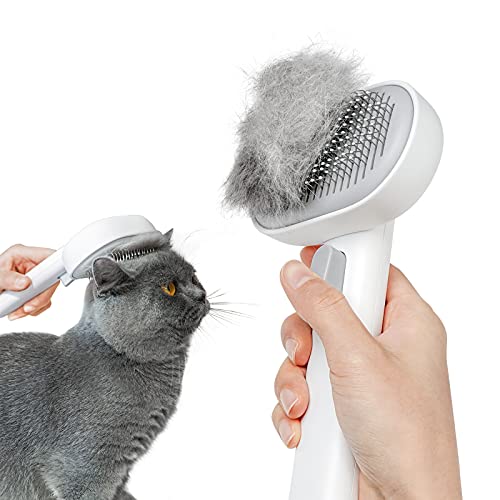
Aumuca Soft Cat Grooming Brush
Detangles a long coat and reduces painful mats in senior cats.

Pet Honesty Hairball Remedy Chews
Fiber and omega chews to manage hairballs from a long coat.
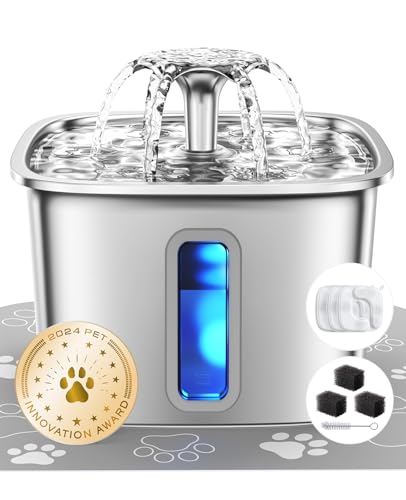
Veken Stainless Steel Water Fountain
Encourages drinking to support aging kidneys and urinary health.

Nutramax Cosequin Joint Supplement for Cats
Glucosamine and chondroitin chews for everyday senior joint support.
The Coat: A Senior Long-Haired Cat's Biggest Daily Need
The defining feature of a Domestic Longhair is its coat, and it is also the area where aging brings the most change. A young long-haired cat keeps its own fur in order, but a senior grooms less, because arthritis in the spine and hips makes the twisting and reaching of self-grooming painful. The coat then begins to mat, fastest in the britches, belly, armpits, ruff, and behind the ears, where movement and moisture combine.
Mats are not merely cosmetic. They pull tightly on thinning senior skin, cause real pain, trap moisture and debris that lead to skin infection, and can hide wounds, fleas, or lumps you would otherwise notice. Brush your senior two or three times a week with a steel comb and a gentle slicker, working down to the skin rather than skimming the surface. Tackle small tangles before they tighten, and never cut a mat with scissors, since the skin tents up into the mat and is easily nicked. Where mats have taken hold, a groomer or veterinarian can shave them safely.
Managing Hairballs in an Aging Long Coat
All that fur has to go somewhere. A long-haired cat swallows considerably more hair during grooming than a short-haired cat, and the aging gut moves it along more slowly, so senior Domestic Longhairs tend to produce more hairballs. The occasional hairball is normal, but frequent vomiting is not, and it can occasionally signal a partial blockage that needs veterinary attention.
The best defense is brushing, which removes loose fur before it ever reaches the stomach. A fiber-based hairball remedy helps the swallowed remainder pass through smoothly. Keep in mind that vomiting in a senior cat is also a common sign of kidney disease, hyperthyroidism, and inflammatory bowel disease, so do not assume every episode is just hair. If your cat vomits repeatedly, loses weight, or stops eating, see your veterinarian rather than reaching for another hairball product.
Senior Cat Wellness & Care Planner
Track your aging cat's health, meds, vet visits, mobility, nutrition, and quality of life, all in one printable planner.
The Common Diseases of Feline Old Age
Because the Domestic Longhair has no single breed predisposition, its health risks in old age are simply those of cats in general, and they are worth knowing well. Chronic kidney disease is the most common, marked by increased thirst, larger urine clumps, and weight loss. Hyperthyroidism speeds the metabolism, causing weight loss despite a ravenous appetite. Diabetes, dental disease, high blood pressure, and arthritis round out the list.
The unifying strategy is routine screening, because every one of these conditions is more manageable when caught early. A senior Domestic Longhair should have bloodwork, a urinalysis, a thyroid check, and a blood pressure reading at least twice a year. Pair that with a watchful eye at home for changes in thirst, appetite, weight, litter box habits, and activity. See our overview of common health problems in senior cats for the full picture.
Haven Pet Insurance for Senior Cats.Coverage for accidents, illness, and the chronic conditions that drive the biggest senior-cat vet bills (kidney disease, hyperthyroidism, diabetes). Get a fast, free quote using your cat’s breed, age, and zip, then see your monthly premium before you commit.Sponsored
Feeding, Mobility, and Daily Care
Nutrition for a senior Domestic Longhair centers on high-quality protein and plenty of moisture to protect aging kidneys, with senior wet food and a water fountain doing much of that work. Weigh your cat regularly, since a thick coat easily hides both weight gain and the muscle loss of old age. If a chronic disease is diagnosed, a therapeutic diet may become the cornerstone of care.
Support stiffening joints with a daily glucosamine and chondroitin supplement, soft bedding in warm spots, and steps or ramps to favorite perches. Provide an easy-access litter box on every floor your cat uses, and keep nails trimmed since older cats wear them down less. Browse our mobility and comfort and pain sections for more home-adaptation ideas.
Related Senior Cat Guides
- Kidney Disease in Senior Cats - The most common disease of feline old age.
- Hyperthyroidism in Senior Cats - Weight loss despite a big appetite.
- Common Health Problems in Senior Cats - The full picture of feline aging.
- All Breed-Specific Senior Cat Guides - Care tailored to your cat's breed.
Pet Insurance · Sponsored
Protect Your Senior Cat From Surprise Vet Bills
Older cats are more prone to kidney, dental, and thyroid trouble, and a single emergency visit can run into the hundreds or thousands. Pet insurance can help you say yes to the care your cat needs without draining your savings. Get a free quote and see what coverage fits.
Frequently Asked Questions
At what age is a Domestic Longhair considered a senior?
Domestic Longhairs are generally considered senior around 10 to 11 years of age, with a typical lifespan of 12 to 18 years. Because the Domestic Longhair is a mixed-breed cat rather than a single pedigree, its mix of genes often brings hybrid vigor and few of the severe inherited diseases that trouble purebreds. Twice-yearly veterinary visits with bloodwork and weight checks keep an aging long-haired house cat comfortable.
Is a Domestic Longhair a specific breed?
No, a Domestic Longhair is not a recognized breed but a catch-all term for any long-haired cat of mixed or unknown ancestry, the long-coated counterpart of the Domestic Shorthair. These cats vary enormously in size, color, and personality. The practical upside is genetic diversity, which usually means fewer inherited disease risks. The main breed-style concern they share is coat care, since a long coat demands maintenance an aging cat cannot fully manage alone.
How often should I groom a senior Domestic Longhair?
Brush a senior Domestic Longhair two or three times a week, increasing as the cat ages and grooms itself less because arthritis makes twisting uncomfortable. Mats form fastest in the britches, belly, armpits, and behind the ears, and they tug painfully on thinning senior skin while hiding wounds or lumps. A steel comb plus a gentle slicker works well, and a hairball remedy manages the extra fur a long-haired cat swallows.
What health problems do senior Domestic Longhairs face?
Without a single breed predisposition, Domestic Longhairs develop the common geriatric diseases of all cats: chronic kidney disease, hyperthyroidism, dental disease, diabetes, arthritis, and high blood pressure. The long coat adds a grooming and hairball burden on top. Routine senior screening, twice-yearly bloodwork, urinalysis, blood pressure, and a thyroid check, catches these conditions early when they are most treatable.
Why do senior long-haired cats get more hairballs?
Long-haired cats swallow more fur during self-grooming than short-haired cats, and aging slows the gut's ability to move that hair through. The result is more frequent hairballs, which can occasionally cause vomiting or, rarely, a dangerous blockage. Regular brushing removes loose fur before the cat swallows it, and a fiber-based hairball remedy helps the rest pass. Persistent vomiting always deserves a veterinary check, since it can signal disease, not just hair.
What should I feed a senior Domestic Longhair?
Feed a high-quality, protein-rich diet with plenty of moisture to support kidney and urinary health, the systems most likely to weaken with age. Many owners rely on senior wet food and a water fountain to keep hydration high. Watch portions to prevent obesity, and weigh your cat regularly since a fluffy coat can hide gradual weight loss. If a chronic disease is diagnosed, your veterinarian may recommend a therapeutic diet.
How can I tell if my senior Domestic Longhair is in pain?
Watch for reduced jumping, hesitation on stairs, a matted or greasy coat from less grooming, irritability when touched along the back or hips, sleeping more, and litter box accidents. Because the coat can disguise weight loss and muscle wasting, run your hands over the body during grooming to feel for changes. Any new reluctance to move or be handled deserves a veterinary visit, since safe pain relief can restore comfort.
Need more help with your aging cat?
Browse our guides by topic to find practical solutions.
Wellness Planner: $39