Senior Siamese Health: Cancer & Amyloidosis Risks
Screening a senior Siamese cat: mediastinal lymphoma and cancer risk, familial amyloidosis of the liver, feline asthma, and dental disease in a long-lived breed.
The Siamese is one of the most recognizable and beloved of all cat breeds, prized for its striking points, blue eyes, and famously vocal, people-focused personality. Siamese also tend to be long-lived, often reaching their late teens, which makes thoughtful senior care especially rewarding. With that longevity, though, come a few breed-associated health risks that deserve screening as a Siamese ages: certain cancers, familial amyloidosis, respiratory disease, and dental problems.
This guide focuses on those specific risks and how to watch for them, so you can catch trouble early in a cat that may share your home for many years. It complements our broader senior Siamese care guide. Everything here is educational and meant to support, not replace, the care of your veterinarian.
Senior Siamese Health Picks
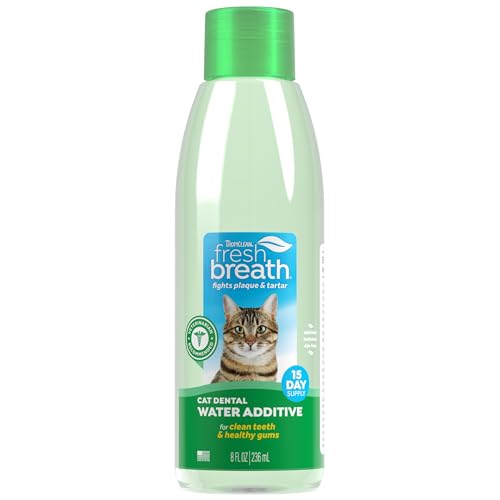
TropiClean TropiClean Oral Care Water Additive
Cat dental water additive to support gums and fresh breath between cleanings.

Greenies Greenies Dental Treats for Cats
Vet-recommended dental treats to help reduce tartar on aging teeth.

Nordic Naturals Nordic Naturals Omega-3 for Cats
Purified fish oil with EPA and DHA to support overall senior health.
Cancer Risk: Lymphoma in the Siamese
Among the breed's most important concerns is an elevated risk of lymphoma, a cancer of the lymphatic system. Siamese and related Oriental breeds develop lymphoma more often than many cats, and often at younger ages. One form deserves special attention: mediastinal lymphoma, which forms a mass in the chest cavity, in the space in front of the heart.
As a mediastinal mass grows, it presses on the lungs and can cause fluid to build in the chest, producing progressively faster and more labored breathing. Owners sometimes attribute the early effort to age or stress until it becomes obvious. Because Siamese are prone to this, any change in breathing, especially fast or labored breathing at rest, warrants prompt veterinary evaluation including chest imaging. Lymphoma is often treatable, and earlier diagnosis generally means more and better options. Our guides to lymphoma in cats and cancer in senior cats go deeper.
Haven Pet Insurance for Senior Cats.Coverage for accidents, illness, and the chronic conditions that drive the biggest senior-cat vet bills (kidney disease, hyperthyroidism, diabetes). Get a fast, free quote using your cat’s breed, age, and zip, then see your monthly premium before you commit.Sponsored
Familial Amyloidosis of the Liver
Siamese and Oriental breeds carry a familial form of amyloidosis, in which an abnormal protein called amyloid accumulates in organs and damages them over time. In this breed, the liver is a frequent target, and the kidneys can be involved as well. Liver amyloidosis is especially concerning because the deposits can make the liver fragile and prone to bleeding.
Signs are often vague at first: lethargy, reduced appetite, weight loss, or a yellow tinge to the gums and eyes known as jaundice. There is no routine genetic test for the Siamese form, so practical screening means monitoring liver and kidney values on senior bloodwork and acting on trends. If your Siamese shows yellowing, a swollen belly, or sudden weakness, see your vet promptly. Our guides to liver disease in senior cats and jaundice in senior cats explain the workup.
Senior Cat Wellness & Care Planner
Track your aging cat's health, meds, vet visits, mobility, nutrition, and quality of life, all in one printable planner.
Feline Asthma and Breathing
The Siamese is also predisposed to feline asthma, a chronic inflammation of the airways. The hallmark is a cough, frequently mistaken for an attempt to bring up a hairball, with the cat crouched low and neck stretched out, making a wheezing or hacking sound. Flares can bring faster breathing, wheezing, and in severe cases open-mouth breathing.
Asthma is usually manageable with veterinary care, often using corticosteroids and bronchodilators delivered by inhaler or by mouth, and many cats do well for years. You can help by reducing airborne irritants: choose a low-dust, unscented litter, avoid sprays and smoke near your cat, and keep the home well ventilated. A severe flare with labored breathing, however, is an emergency. Read more in our guide to feline asthma in older cats.
Dental Disease in a Long-Lived Breed
Siamese and Oriental breeds are prone to dental and gum disease, including gingivitis and painful tooth resorption. Over a long life, oral disease is not just a comfort issue: chronic infection in the mouth can seed bacteria into the bloodstream and burden the organs. An aging Siamese with sore teeth may drop food, drool, paw at its mouth, develop bad breath, or quietly eat less and lose weight.
Protect your cat's mouth with regular dental checks, professional cleanings under anesthesia when your veterinarian recommends them, and at-home support such as a dental water additive or vet-recommended dental treats. Watch for the early warning sign many owners overlook, persistent bad breath, covered in our guide to an old cat with bad breath, and the broader picture in dental disease in senior cats.
Putting Senior Siamese Screening Together
Because the Siamese carries several distinct risks, the best approach is broad, consistent monitoring rather than focusing on a single disease. Schedule twice-yearly senior exams with bloodwork that tracks liver and kidney values, take any breathing change seriously, keep up dental care, and weigh your cat regularly to catch quiet weight loss. Tracking the resting respiratory rate at home gives you an early window on the breathing-related risks. With attentive care, many Siamese enjoy long, comfortable senior years as the talkative companions they have always been.
Related Senior Cat Guides
- Senior Siamese Cat Care Guide - Vision, vocalizing, weight, and daily care.
- Lymphoma in Cats - The cancer Siamese are most prone to.
- Liver Disease in Senior Cats - Relevant to familial amyloidosis.
- Feline Asthma in Older Cats - Recognizing and managing airway disease.
- All Breed-Specific Senior Cat Guides - Care tailored to your cat's breed.
Pet Insurance · Sponsored
Protect Your Senior Cat From Surprise Vet Bills
Older cats are more prone to kidney, dental, and thyroid trouble, and a single emergency visit can run into the hundreds or thousands. Pet insurance can help you say yes to the care your cat needs without draining your savings. Get a free quote and see what coverage fits.
Frequently Asked Questions
What health risks should owners of senior Siamese watch for?
The Siamese is generally long-lived but carries several breed-associated risks worth screening as it ages: a higher rate of certain cancers, especially mediastinal lymphoma in the chest; familial amyloidosis affecting the liver and sometimes kidneys; feline asthma and other respiratory issues; and significant dental and gum disease. Because Siamese often live well into their late teens, careful senior monitoring pays off over many years. Twice-yearly veterinary exams plus attention to breathing, weight, and oral health cover the breed well.
Why are Siamese more prone to lymphoma?
Siamese and related Oriental breeds have a documented predisposition to lymphoma, a cancer of the lymphatic system, and they tend to develop it at younger ages than many breeds. A particular concern is mediastinal lymphoma, which forms a mass in the chest cavity in front of the heart. As the mass grows, it crowds the lungs and can cause fluid to accumulate, leading to labored or fast breathing. Any breathing change in a Siamese deserves prompt veterinary evaluation, since early diagnosis improves treatment options.
What is amyloidosis in the Siamese?
Familial amyloidosis is an inherited condition in which an abnormal protein called amyloid is deposited in organs, damaging them over time. In Siamese and Oriental breeds, the liver is a common target, and the kidneys can be involved too. Liver amyloidosis is particularly worrying because deposits can make the organ fragile and prone to bleeding. Signs may include lethargy, poor appetite, weight loss, jaundice, or a swollen abdomen. There is no routine gene test, so monitoring liver and kidney values over time is the practical screening approach.
How do I recognize feline asthma in a senior Siamese?
Siamese are predisposed to feline asthma, a chronic airway inflammation. The classic sign is a cough, often mistaken for trying to bring up a hairball, with the cat crouched low, neck extended, making a wheezing or hacking sound. You may also see faster breathing, wheezing, or open-mouth breathing in a flare. Asthma can be managed well with veterinary care, often using inhaled or oral medication, but a sudden severe flare with labored breathing is an emergency. Reducing dust and using low-dust litter helps.
Why is dental care so important for senior Siamese?
Siamese and Oriental breeds are prone to dental and gum disease, including gingivitis and tooth resorption, which cause real pain and can seed infection into the bloodstream. An aging Siamese with sore teeth may drop food, drool, paw at its mouth, develop bad breath, or simply eat less and lose weight. Regular dental checks, professional cleanings under anesthesia when your vet advises, and at-home support like dental water additives or vet-recommended treats all help protect comfort and overall health.
How can I tell breathing trouble apart in a Siamese?
Several Siamese risks affect breathing, so any change deserves attention. Asthma usually causes coughing and wheezing in flares. Mediastinal lymphoma tends to cause progressively faster, more labored breathing as a chest mass grows. Heart issues can cause fast resting breathing from fluid. You cannot reliably tell these apart at home, which is why fast, labored, or open-mouth breathing at rest in a Siamese is always a reason to see a veterinarian promptly, and an emergency if severe. Tracking resting respiratory rate helps you catch changes early.
Is care for these Siamese conditions expensive?
It can be. Cancer treatment, liver disease management, asthma medication, and dental procedures under anesthesia are all significant costs, and a long-lived Siamese may face several over its years. Diagnostics like chest imaging, ultrasound, and biopsies add up quickly. Because the Siamese carries multiple known, breed-specific risks and often lives into its late teens, this is exactly the kind of situation pet insurance is built for, provided you enroll before any condition is diagnosed and excluded as pre-existing.
Need more help with your aging cat?
Browse our guides by topic to find practical solutions.
Wellness Planner: $39