Liver Disease in Senior Cats: Fatty Liver & More
Feline liver disease can be an emergency: a cat that stops eating risks hepatic lipidosis. Learn fatty liver, cholangitis, jaundice, diagnosis, and why early feeding saves lives.
The liver is one of the hardest-working organs in your cat's body. It filters toxins, processes nutrients, stores energy, makes proteins for clotting, and produces bile to digest fat. When it falters, the effects ripple everywhere, which is why liver disease can make a senior cat feel profoundly unwell. If you are here because your cat has stopped eating or has a yellow tint to its eyes or gums, please take it seriously and call your veterinarian today.
The most important message in this guide is simple and urgent: a cat that stops eating for even a few days is a medical emergency, because cats are uniquely prone to a dangerous liver condition called hepatic lipidosis. Below we explain fatty liver, the common inflammatory disease cholangitis, what jaundice means, and how liver disease is diagnosed and treated. This is educational and meant to support, not replace, your veterinarian's care.
Appetite & Hydration Support for a Cat With Liver Disease

Vetoquinol High-Calorie Nutritional Gel for Cats
Syringe-friendly calories to help an off-food cat avoid fatty liver

Under the Weather High-Calorie Weight Gain Powder
Calorie-dense topper to support a cat recovering its appetite
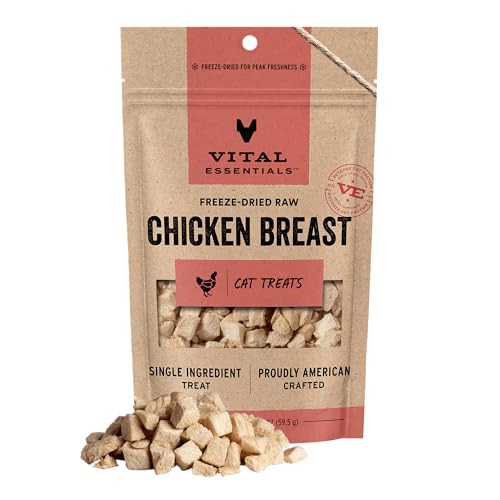
Vital Essentials Freeze-Dried Chicken Cat Topper
Strong aroma to tempt a nauseated, reluctant eater
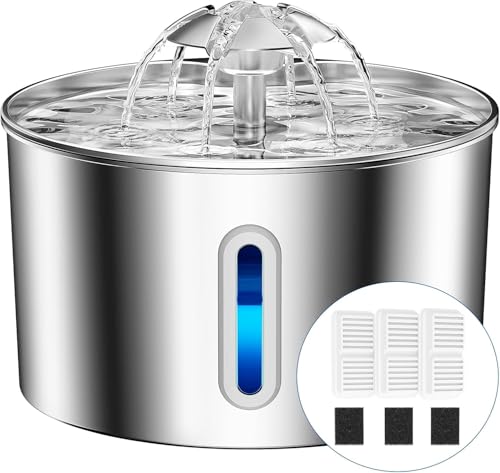
BalimoPet Stainless Steel Cat Water Fountain
Encourages drinking in a cat that is dehydrated and feeling unwell
Haven Pet Insurance for Senior Cats.Coverage for accidents, illness, and the chronic conditions that drive the biggest senior-cat vet bills (kidney disease, hyperthyroidism, diabetes). Get a fast, free quote using your cat’s breed, age, and zip, then see your monthly premium before you commit.Sponsored
What the Liver Does
The liver sits behind the diaphragm and handles an extraordinary range of jobs. It detoxifies waste products and drugs, converts food into usable energy and stores it, manufactures proteins that the blood needs to clot, and produces bile that flows through the bile ducts into the intestine to digest fats. The liver also has remarkable reserve and regenerative ability, which is good news for recovery but also means disease can be advanced before signs appear.
When liver function drops, toxins the liver should clear begin to accumulate, bile backs up and causes jaundice, and the cat feels nauseated and stops eating. In cats, that loss of appetite is not just a symptom; it can become its own dangerous disease.
Hepatic Lipidosis: The Fatty Liver Emergency
Hepatic lipidosis, or fatty liver, is the single most common liver disease in cats and the reason feline appetite loss is taken so seriously. Here is the dangerous chain of events:
- A cat stops eating, often because of stress, another illness, or a change in food.
- With too few calories coming in, the body mobilizes its fat stores for energy.
- The cat's liver cannot process this surge of fat efficiently, so fat accumulates inside liver cells.
- The fat-laden liver swells and begins to fail, which causes more nausea and even less eating.
- The spiral deepens, and without intervention the cat becomes critically ill.
Overweight cats are at the highest risk because they have the most fat to mobilize. The crucial takeaway is that a cat going just two to three days with little or no food can begin this process. Do not wait it out. Fatty liver is very treatable when caught early, but the cure is fundamentally simple and urgent: get adequate calories back into the cat, often through a temporary feeding tube that takes the stress out of eating while the liver recovers.
Senior Cat Wellness & Care Planner
Track your aging cat's health, meds, vet visits, mobility, nutrition, and quality of life, all in one printable planner.
Cholangitis: Inflammation of the Bile Ducts
Cholangitis is inflammation of the bile ducts and the surrounding liver tissue, and it is another leading feline liver disease. It generally takes two forms. One is driven by bacterial infection that ascends from the intestine, and the other is an immune-mediated, lymphocytic inflammation that smolders over time.
Because the bile duct and the pancreatic duct share a common opening into the small intestine in cats, cholangitis frequently appears alongside pancreatitis and inflammatory bowel disease, the trio known as triaditis. Signs include jaundice, poor appetite, vomiting, fever in the infectious form, and lethargy. Treatment depends on the type and may include antibiotics, anti-inflammatory or immune-suppressing medication, bile-supporting drugs, and supportive care.
Understanding Jaundice
Jaundice, also called icterus, is the yellow discoloration that appears when bilirubin builds up in the body. Bilirubin is a pigment the liver normally processes and excretes in bile, so when the liver is failing, the bile ducts are blocked, or red blood cells are breaking down too fast, bilirubin accumulates and stains the tissues yellow.
Look for yellowing in the gums, the whites of the eyes, the inside of the ear flaps, and on pale or shaved skin. Jaundice is never normal and always signals a serious problem. A jaundiced cat needs same-day veterinary care.
How Liver Disease Is Diagnosed
| Test | What It Reveals |
|---|---|
| Liver enzyme panel and bilirubin | Signals liver inflammation, damage, and bile backup |
| Bile acids test | Assesses how well the liver is functioning |
| Complete blood count | Checks for anemia and signs of infection |
| Abdominal ultrasound | Examines the liver, gallbladder, bile ducts, and pancreas |
| Fine-needle aspirate or biopsy | Distinguishes fatty liver, cholangitis, and cancer |
Because liver diseases look similar on the surface but need very different treatments, getting to a specific diagnosis matters. Your veterinarian will also check for companion conditions like pancreatitis and IBD that change the plan.
Editor's Pick · Sponsored
Haven Pet Insurance for Senior Cats
Coverage for accidents, illness, and the chronic conditions that drive the biggest senior-cat vet bills (kidney disease, hyperthyroidism, diabetes). Get a fast, free quote using your cat’s breed, age, and zip, then see your monthly premium before you commit.
Treatment and the Road to Recovery
Treatment is tailored to the specific disease, but several themes run through feline liver care. Nutritional support is paramount, especially for hepatic lipidosis, where assisted feeding through a temporary tube is often the key to recovery and is generally well tolerated. Anti-nausea medication and appetite stimulants help cats start eating again. Cholangitis may call for antibiotics or anti-inflammatory drugs, and many veterinarians use liver-support supplements such as SAMe and milk thistle alongside fluid therapy.
The encouraging news is that the feline liver can regenerate. Cats with hepatic lipidosis caught early often make a full recovery and go on to live normal lives. Cholangitis is frequently controlled with the right medication. The outlook depends on the specific disease, how early it is found, and whether companion conditions are present, which is exactly why a cat that stops eating should never be left to wait. Acting quickly is the most powerful thing you can do for your cat's liver.
Related Guides
- Jaundice in Senior Cats - A closer look at what yellowing means and how it is worked up.
- Pancreatitis in Senior Cats - The pancreas partner in triaditis that often accompanies liver disease.
- Old Cat Losing Weight - Why a cat that stops eating needs prompt attention.
Pet Insurance · Sponsored
Protect Your Senior Cat From Surprise Vet Bills
Older cats are more prone to kidney, dental, and thyroid trouble, and a single emergency visit can run into the hundreds or thousands. Pet insurance can help you say yes to the care your cat needs without draining your savings. Get a free quote and see what coverage fits.
Frequently Asked Questions
What are the signs of liver disease in senior cats?
Liver disease in cats is often quiet at first. Common signs include reduced appetite, weight loss, lethargy, vomiting, and drooling from nausea. The hallmark sign is jaundice: a yellow tint to the gums, the whites of the eyes, the ears, or the skin. Some cats drink and urinate more, and in advanced disease may show confusion or drooling from a buildup of toxins the liver should clear. Because early signs are vague, any senior cat that stops eating deserves prompt evaluation.
What is hepatic lipidosis or fatty liver in cats?
Hepatic lipidosis is a uniquely feline emergency in which fat floods and overwhelms the liver when a cat stops eating. When a cat does not take in enough calories, the body mobilizes fat for energy, but the cat's liver cannot process that surge efficiently. Fat accumulates in liver cells, the liver swells and fails, and the cat becomes more nauseated and eats even less, deepening the spiral. Overweight cats are at highest risk. It is treatable, but it requires aggressive nutritional support and early action.
Why is a cat that stops eating for a few days an emergency?
Because cats are uniquely prone to hepatic lipidosis. Unlike dogs or people, a cat that goes just two to three days with little or no food can begin to develop fatty liver, where mobilized body fat overwhelms the liver and causes it to fail. The risk is highest in overweight cats. This is why veterinarians treat feline appetite loss so urgently. Never wait out a cat that has refused food for more than a day or two; call your veterinarian.
What is cholangitis in cats?
Cholangitis is inflammation of the bile ducts and the liver tissue around them, and it is one of the most common feline liver diseases. It comes in forms driven by bacterial infection or by immune-mediated inflammation. Because the bile duct and pancreatic duct share an opening into the intestine in cats, cholangitis often travels with pancreatitis and inflammatory bowel disease as part of triaditis. Signs include jaundice, poor appetite, vomiting, and lethargy, and treatment depends on the underlying type.
What does jaundice mean in a cat?
Jaundice, also called icterus, is a yellow discoloration caused by a buildup of bilirubin, a pigment normally processed by the liver and excreted in bile. You may see it best in the gums, the whites of the eyes, the inside of the ears, or pale skin. Jaundice always signals a serious problem: liver disease, bile duct obstruction, or the rapid breakdown of red blood cells. A jaundiced cat needs same-day veterinary care to find and treat the cause.
How is feline liver disease diagnosed?
Diagnosis starts with bloodwork that measures liver enzymes, bilirubin, and bile acids, along with a complete blood count to check for anemia. An abdominal ultrasound examines the liver, gallbladder, and bile ducts and looks for companion pancreatitis or intestinal disease. Depending on findings, your veterinarian may recommend a fine-needle aspirate or biopsy of the liver to distinguish hepatic lipidosis, cholangitis, cancer, and other causes, since the right treatment depends on knowing which disease is present.
Can cats recover from liver disease?
Many can. Hepatic lipidosis, despite being an emergency, has a good outlook when caught early and treated aggressively with nutritional support, often through a temporary feeding tube, since the cure is simply getting enough calories into the cat again. Cholangitis is frequently managed well with antibiotics or anti-inflammatory medication and supportive care. The outlook depends on the specific disease, how early it is caught, and whether companion conditions like pancreatitis are present, so early veterinary care is key.
Need more help with your aging cat?
Browse our guides by topic to find practical solutions.
Wellness Planner: $39