Anemia in Senior Cats: Pale Gums & Causes
Anemia in older cats shows as pale gums, lethargy, and fast breathing. Learn regenerative versus non-regenerative types, the kidney disease link, diagnosis, and treatment.
Anemia is not a disease in itself; it is a sign that something else is wrong. It means your cat does not have enough healthy red blood cells to carry oxygen around the body, which leaves the tissues starved and the cat tired, weak, and pale. In senior cats, anemia is often the visible tip of a deeper problem like chronic kidney disease, and finding that root cause is the whole point of working it up.
If you have noticed your older cat's gums looking pale, or you have caught it breathing fast and sleeping more than usual, this guide will help you understand what anemia is, the difference between the two broad types, why kidney disease is such a frequent culprit in seniors, and how it is diagnosed and treated. This is educational and meant to support, not replace, your veterinarian's care, and severe anemia is an emergency.
Nutrition Support for an Anemic Senior Cat
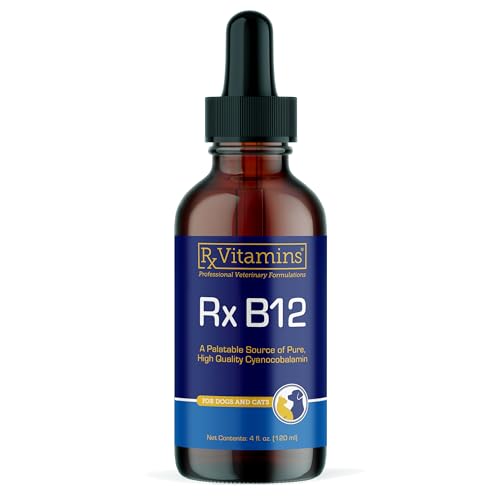
Rx Vitamins Liquid Vitamin B12 for Cats
B12 support that some cats need during chronic illness, per your vet
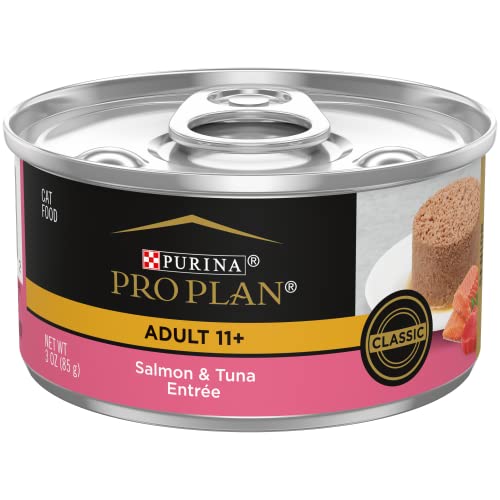
Purina Pro Plan High-Protein Senior Wet Cat Food
Protein-rich pate to help rebuild condition in an older cat

Vital Essentials Freeze-Dried Chicken Cat Topper
Aromatic, protein-dense topper to tempt a weak, picky eater

Under the Weather High-Calorie Weight Gain Powder
Calorie boost to support a cat that is losing condition
Haven Pet Insurance for Senior Cats.Coverage for accidents, illness, and the chronic conditions that drive the biggest senior-cat vet bills (kidney disease, hyperthyroidism, diabetes). Get a fast, free quote using your cat’s breed, age, and zip, then see your monthly premium before you commit.Sponsored
What Anemia Is
Red blood cells carry oxygen from the lungs to every tissue using a protein called hemoglobin, which also gives blood and healthy gums their red color. Anemia means there are too few healthy red cells, so the body's tissues do not get enough oxygen. To compensate, the heart beats faster and the cat breathes more quickly, trying to move what oxygen there is. Over time, an anemic cat tires easily, grows weak, and looks pale.
Anemia ranges from mild and slowly developing, where the body has time to adapt, to severe and sudden, which is life-threatening. Understanding where your cat falls on that spectrum, and why, is what guides treatment.
Regenerative Versus Non-Regenerative Anemia
The first question your veterinarian asks is whether the bone marrow is responding. This single distinction narrows the list of causes dramatically.
Regenerative Anemia
Here the bone marrow is working hard to replace lost red cells, releasing young red cells called reticulocytes into the blood. A high reticulocyte count signals a regenerative response. This pattern usually means the cat is either losing blood or destroying its own red cells. Causes include bleeding from trauma, tumors, or parasites, and immune-mediated destruction or blood-borne infections like Mycoplasma haemofelis.
Non-Regenerative Anemia
Here the marrow is not keeping up, with a low reticulocyte count, which points to a problem making red cells. This is the more common pattern in senior cats. Causes include chronic kidney disease, chronic inflammatory disease, bone marrow disorders, certain cancers, and FeLV infection. Non-regenerative anemia tends to come on gradually as the underlying disease advances.
| Type | Reticulocytes | Common Causes in Cats |
|---|---|---|
| Regenerative | High | Blood loss, immune destruction, blood parasites |
| Non-regenerative | Low | Kidney disease, chronic inflammation, marrow disease, FeLV |
Senior Cat Wellness & Care Planner
Track your aging cat's health, meds, vet visits, mobility, nutrition, and quality of life, all in one printable planner.
The Kidney Disease Connection
One of the most important causes of anemia in older cats is chronic kidney disease, and the reason is elegant once you know it. Healthy kidneys make a hormone called erythropoietin, which travels to the bone marrow and tells it to produce red blood cells. As kidney disease advances and the kidneys fail, they make less erythropoietin, so the marrow makes fewer red cells and a non-regenerative anemia develops.
Because chronic kidney disease is so common in senior cats, kidney-related anemia is one of the most frequent forms you will encounter. It typically deepens as the kidney disease progresses, and managing it is part of comprehensive CKD care. The good news is that this type of anemia can be treated with medications that replace the missing erythropoietin signal, often improving a cat's energy and appetite noticeably.
Recognizing the Signs at Home
- Pale gums: The clearest clue. Lift the lip and look; healthy gums are bubble-gum pink, while anemic gums look pale, whitish, or bluish.
- Lethargy and weakness: Sleeping more, playing less, and tiring quickly with any activity.
- Fast breathing or rapid heart rate: The body works harder to move oxygen; watch for breathing that is quick even at rest.
- Reduced appetite: Eating less and losing condition.
- Weakness in the hind legs: Some anemic cats seem wobbly or reluctant to jump.
- Pica: Occasionally cats with anemia try to eat odd, non-food items.
A quick at-home check is to press gently on the gum until it blanches white, then release; the pink color should return within about two seconds. Pale gums, or color that returns slowly, paired with fast breathing or weakness, warrants prompt veterinary attention.
How Anemia Is Diagnosed
A complete blood count confirms the anemia and grades its severity, and the reticulocyte count classifies it as regenerative or non-regenerative. From there your veterinarian follows the trail with a chemistry panel and kidney values, FeLV and FIV testing because these viruses commonly cause feline anemia, a blood smear to look for parasites and abnormal cells, tests for blood-borne and tick-borne infections, and occasionally a bone marrow sample when the cause remains unclear. Each result narrows the possibilities.
Editor's Pick · Sponsored
Haven Pet Insurance for Senior Cats
Coverage for accidents, illness, and the chronic conditions that drive the biggest senior-cat vet bills (kidney disease, hyperthyroidism, diabetes). Get a fast, free quote using your cat’s breed, age, and zip, then see your monthly premium before you commit.
Treatment and Recovery
Because anemia is a symptom, treatment targets the underlying cause:
- Kidney-related anemia: Managed with medications that replace the erythropoietin signal plus iron support, as part of overall CKD care.
- Blood loss: Find and stop the source, then support recovery with nutrition and time.
- Immune-mediated destruction: Treated with medications that calm the overactive immune system.
- Infections: Blood parasites and other infections are treated with the appropriate antibiotics or antiparasitics.
- Severe anemia: A blood transfusion can stabilize a critically anemic cat while the cause is addressed.
Throughout recovery, good nutrition supports the rebuilding of red blood cells. A palatable, protein-rich diet, offered warm and in frequent small meals, helps a weak cat regain condition. Avoid giving iron or vitamin supplements on your own, since the right support depends entirely on the cause and your veterinarian's dosing.
Anemia can be unsettling because it so often points to a serious underlying illness, but many of those illnesses are treatable, and the anemia itself frequently improves once the root problem is managed. The key is not to dismiss pale gums or unexplained tiredness in an older cat. Catching anemia and tracing it to its cause gives your veterinarian the best chance to help your senior cat feel strong again.
Related Guides
- Kidney Disease in Senior Cats - The most common cause of non-regenerative anemia in older cats.
- Old Cat Breathing Fast - Why rapid breathing can accompany anemia and when it is an emergency.
- Common Health Problems in Senior Cats - See how anemia fits among the illnesses of older cats.
Pet Insurance · Sponsored
Protect Your Senior Cat From Surprise Vet Bills
Older cats are more prone to kidney, dental, and thyroid trouble, and a single emergency visit can run into the hundreds or thousands. Pet insurance can help you say yes to the care your cat needs without draining your savings. Get a free quote and see what coverage fits.
Frequently Asked Questions
What are the signs of anemia in a senior cat?
The classic sign is pale gums; healthy cat gums are bubble-gum pink, while an anemic cat's gums look pale pink, whitish, or even bluish. Other signs include lethargy and weakness, sleeping more, reduced appetite, and faster breathing or a rapid heart rate as the body works harder to deliver oxygen. Some cats tire easily or seem weak in the back legs. Because these signs are subtle and overlap with other illnesses, anemia is often found on bloodwork run for another reason.
What is the difference between regenerative and non-regenerative anemia?
Regenerative anemia means the bone marrow is responding by pumping out new red blood cells, which shows up on bloodwork as a high reticulocyte count. It typically follows blood loss or the destruction of red cells. Non-regenerative anemia means the marrow is not replacing red cells adequately, with a low reticulocyte count, and usually reflects a problem making red cells, such as chronic kidney disease, marrow disease, or chronic inflammation. Telling the two apart is the key first step in finding the cause.
How does kidney disease cause anemia in cats?
Healthy kidneys produce a hormone called erythropoietin that tells the bone marrow to make red blood cells. As chronic kidney disease advances, the failing kidneys make less erythropoietin, so red cell production falls and a non-regenerative anemia develops. This is one of the most common causes of anemia in senior cats because kidney disease itself is so common in this age group. The anemia tends to worsen as the kidney disease progresses and can be treated as part of CKD management.
Is anemia in cats an emergency?
It can be. Severe or sudden anemia is a genuine emergency: a cat with very pale or white gums, marked weakness, collapse, very fast breathing, or open-mouth breathing needs immediate veterinary care and may need a blood transfusion. Slowly developing anemia from chronic disease is less immediately dangerous because the body adapts, but it still needs prompt evaluation. If you press on your cat's gum and it is white, or your cat is breathing hard at rest, treat it as an emergency.
How is anemia in cats diagnosed?
A complete blood count confirms anemia and measures its severity, while the reticulocyte count tells your veterinarian whether it is regenerative or non-regenerative. From there, the search for a cause may include a chemistry panel and kidney values, FeLV and FIV testing since these viruses commonly cause anemia, a blood smear to look for parasites and abnormal cells, tests for tick-borne and blood-borne infections, and sometimes a bone marrow sample. The pattern guides which tests come next.
Can anemia in cats be treated?
Yes, treatment depends entirely on the cause. Kidney-related anemia can be managed with medications that replace the missing erythropoietin signal and with iron support. Anemia from blood loss is addressed by stopping the bleeding and supporting recovery. Immune-mediated destruction is treated with medications that calm the immune system. Severe anemia may need a blood transfusion to stabilize the cat while the underlying problem is treated. Good nutrition and treating the root disease are central to recovery.
What should I feed an anemic cat?
There is no single anemia diet, and the most important step is treating the underlying cause, but good nutrition supports recovery. A highly palatable, high-quality, protein-rich food helps rebuild red blood cells, and many cats with chronic illness eat better with warmed, aromatic wet food offered in frequent small meals. If kidney disease is the cause, your veterinarian will balance the need for protein against renal needs. Never give iron or vitamin supplements without veterinary guidance, since dosing must fit the cause.
Need more help with your aging cat?
Browse our guides by topic to find practical solutions.
Wellness Planner: $39