Cognitive Dysfunction in Senior Cats (Dementia)
Feline cognitive dysfunction, or cat dementia, causes night yowling, disorientation, and litter lapses. Learn the DISHAA signs and how to manage and slow it.
If your aging cat has started crying out in the middle of the night, forgetting the litter box, or staring blankly at the wall, you may be witnessing feline cognitive dysfunction, the cat version of dementia. Like the human brain, the feline brain changes with age, and in many older cats those changes begin to affect memory, awareness, sleep, and behavior. It is far more common than most owners realize, and it tends to be quietly overlooked as simply getting old.
While cognitive dysfunction cannot be cured, it can often be slowed and well managed, and recognizing it early gives you the best chance to help. Just as importantly, several very treatable medical conditions look almost identical to dementia, so getting the right diagnosis can sometimes reverse the very behaviors that worried you. This guide explains the signs, the diagnosis, and the practical steps that keep a cognitively declining cat safe and comfortable. It is educational and meant to support, not replace, your veterinarian's guidance.
Comfort & Calming Aids for Cats with Dementia
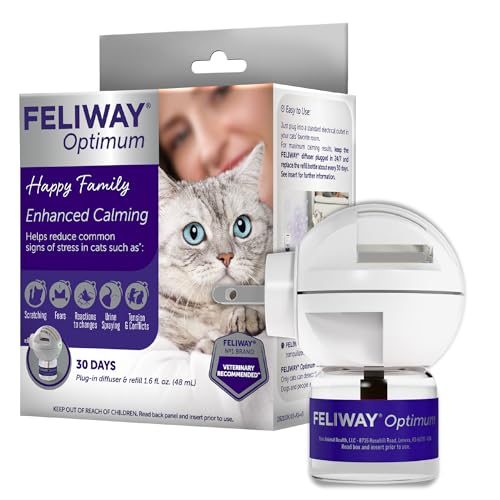
FELIWAY Calming Pheromone Diffuser Kit
Eases the anxiety and confusion that come with feline dementia

AUVON Motion-Sensor Plug-In Night Lights
Soft warm light helps a disoriented cat navigate after dark

Nordic Naturals Omega-3 Fish Oil for Cats
EPA and DHA support brain health as part of a senior routine

FELIWAY Classic Calming Diffuser
Pheromone support to reduce stress in a familiar home
Haven Pet Insurance for Senior Cats.Coverage for accidents, illness, and the chronic conditions that drive the biggest senior-cat vet bills (kidney disease, hyperthyroidism, diabetes). Get a fast, free quote using your cat’s breed, age, and zip, then see your monthly premium before you commit.Sponsored
What Happens in the Aging Feline Brain
As a cat ages, its brain undergoes physical changes that echo those of human aging. Blood flow to the brain decreases, oxidative damage from free radicals accumulates, and a sticky protein called beta-amyloid builds up between brain cells, much as it does in human Alzheimer's disease. These changes interfere with the networks responsible for memory, learning, spatial awareness, and the regulation of the sleep-wake cycle. The result is a cat that becomes forgetful, disoriented, anxious, and out of sync with the rhythm of day and night.
Cognitive dysfunction becomes more likely with each passing year. It affects a substantial portion of cats older than eleven and the majority of cats in their late teens. Because the decline is gradual, the signs are easy to attribute to normal aging, which is exactly why so many cases go unrecognized and unmanaged.
The DISHAA Signs
Veterinarians often organize the signs of cognitive dysfunction with the memory aid DISHAA. Recognizing these patterns helps you describe what you are seeing to your veterinarian.
- Disorientation: Getting lost in familiar rooms, staring at walls or into corners, or appearing confused about how to navigate a space.
- Interaction changes: Becoming unusually clingy and needy, or conversely withdrawn and less affectionate than before.
- Sleep-wake disruption: Sleeping more during the day and becoming restless, wandering, and vocal at night.
- House-soiling: Forgetting or failing to reach the litter box, or eliminating in unusual places.
- Activity changes: Reduced play and exploration, less grooming, or repetitive aimless pacing.
- Anxiety: Increased fearfulness, agitation, or distress, often worse in the evening and overnight.
Nighttime yowling deserves special mention because it is both common and especially hard on households. A disoriented, anxious cat that is awake when the house is dark and silent often cries out loudly, sometimes for long stretches.
Senior Cat Wellness & Care Planner
Track your aging cat's health, meds, vet visits, mobility, nutrition, and quality of life, all in one printable planner.
Ruling Out the Look-Alikes First
This is the most important point in the whole topic. Cognitive dysfunction is a diagnosis of exclusion, which means the behaviors that suggest dementia must first be checked against the many medical conditions that mimic it. Several of those conditions are very treatable, so an accurate diagnosis can sometimes reverse the problem entirely.
- Hyperthyroidism causes restlessness and loud yowling and is highly treatable.
- High blood pressure can cause disorientation, anxiety, and sudden vision loss.
- Kidney disease and pain can make a cat irritable, restless, and off its routine.
- Vision or hearing loss can leave a cat confused and vocal, especially at night.
- Brain tumors and other neurological disease can produce similar changes.
For this reason, a senior cat with new behavioral changes needs a proper workup: a physical and neurological exam, bloodwork, urinalysis, blood pressure measurement, and sometimes imaging. Only after treatable causes are excluded should the behavior be attributed to age-related cognitive decline.
Managing Cognitive Dysfunction
There is no cure, but a thoughtful combination of strategies can slow the decline and meaningfully improve a cat's comfort and your shared quality of life.
Keep the Environment Stable and Easy
Predictability is comforting to a confused brain. Keep food, water, litter boxes, and beds in their familiar spots, and resist rearranging furniture. Provide low-entry litter boxes on every level your cat uses so accidents are less likely, and place night lights around the home to ease nighttime disorientation. A steady daily routine for meals, play, and attention helps anchor a cat whose internal clock is faltering.
Enrichment and Gentle Activity
Mental and physical stimulation may help keep the brain engaged. Short, gentle interactive play sessions during the day can also help reset a disrupted sleep cycle so the cat rests better at night. Food puzzles scaled to a senior cat's ability give low-stress mental exercise.
Diet, Supplements, and Calming Aids
Diets and supplements rich in antioxidants and omega-3 fatty acids are often recommended to support the aging brain. Calming pheromone diffusers can reduce the anxiety that accompanies confusion. In some cases your veterinarian may suggest specific supplements or medication to support cognition or ease nighttime distress. Starting these supportive measures early, before decline is severe, tends to give the best results.
Editor's Pick · Sponsored
Haven Pet Insurance for Senior Cats
Coverage for accidents, illness, and the chronic conditions that drive the biggest senior-cat vet bills (kidney disease, hyperthyroidism, diabetes). Get a fast, free quote using your cat’s breed, age, and zip, then see your monthly premium before you commit.
Caring for Your Cat and Yourself
Living with a cognitively declining cat can be emotionally tiring, especially when sleep is interrupted by nighttime yowling. Be patient: your cat is not misbehaving, but coping with a brain that no longer works the way it used to. Accidents and confusion are part of the condition, not defiance. Keep your veterinarian informed as signs change, since the management plan may need adjusting over time, and lean on them for guidance on comfort and quality of life as the years advance.
With an accurate diagnosis, a stable and supportive environment, and the right combination of enrichment, nutrition, and calming support, many cats with cognitive dysfunction continue to enjoy their families and their daily comforts well into advanced old age. Your attentiveness to these subtle changes is itself a gift to your aging companion.
Related Guides
- Hyperthyroidism in Senior Cats - A leading treatable cause of nighttime yowling that mimics dementia.
- Signs Your Old Cat Is in Pain - Pain can drive restlessness and behavior changes too.
- Common Health Problems in Senior Cats - See cognitive decline among the other senior-cat conditions.
Pet Insurance · Sponsored
Protect Your Senior Cat From Surprise Vet Bills
Older cats are more prone to kidney, dental, and thyroid trouble, and a single emergency visit can run into the hundreds or thousands. Pet insurance can help you say yes to the care your cat needs without draining your savings. Get a free quote and see what coverage fits.
Frequently Asked Questions
What is cognitive dysfunction syndrome in cats?
Cognitive dysfunction syndrome, often called feline dementia, is an age-related decline in brain function similar in many ways to Alzheimer's disease in people. The aging brain accumulates changes, including a protein called beta-amyloid, that interfere with memory, learning, awareness, and normal sleep. It becomes increasingly common with age, affecting a meaningful share of cats over eleven and a majority of very old cats. It cannot be cured, but it can often be slowed and managed to keep a cat comfortable.
What are the signs of dementia in senior cats?
Veterinarians use the memory aid DISHAA: Disorientation, changes in Interactions, Sleep-wake cycle disruption, House-soiling, Activity changes, and Anxiety. In practice owners notice a cat that yowls loudly at night, seems lost or stares at walls, forgets the litter box, becomes clingy or withdrawn, sleeps more by day and roams by night, and shows less interest in play or grooming. Because these signs overlap with medical illness, a veterinary workup is essential before blaming age.
Why does my old cat yowl loudly at night?
Nighttime yowling is one of the most common and distressing signs of feline cognitive dysfunction. The aging brain disrupts the sleep-wake cycle, so the cat is awake, disoriented, and anxious when the house is dark and quiet, and it cries out. However, loud vocalizing can also signal hyperthyroidism, high blood pressure, pain, or failing senses, so these must be ruled out first. Once medical causes are excluded, night lights, a predictable routine, and sometimes medication can help.
Can cognitive dysfunction in cats be treated?
There is no cure, but a combination approach can slow decline and improve quality of life. This includes environmental enrichment and a stable routine, diets and supplements rich in antioxidants and omega-3 fatty acids, calming pheromone products, and in some cases medication or supplements your veterinarian recommends to support brain function. The earlier you start, the better, which is one reason it helps to report subtle changes rather than dismissing them as just old age.
How can I help a cat with dementia feel safe at home?
Consistency and easy navigation are key. Keep food, water, litter, and beds in the same familiar places and avoid rearranging furniture. Provide low-entry litter boxes on every level the cat uses, plug in night lights to ease nighttime disorientation, and keep a predictable daily rhythm for meals and attention. Gentle interactive play during the day helps regulate the sleep cycle, and calming pheromone diffusers can reduce the anxiety that often comes with confusion.
How is feline dementia diagnosed?
Cognitive dysfunction is a diagnosis of exclusion, meaning your veterinarian first rules out the medical conditions that mimic it. Hyperthyroidism, high blood pressure, kidney disease, pain, brain tumors, and loss of vision or hearing can all cause similar behavior. The workup typically includes a physical and neurological exam, bloodwork, urinalysis, blood pressure measurement, and sometimes imaging. Only once treatable medical causes are excluded is the behavior attributed to age-related cognitive decline.
Is night yowling always dementia in senior cats?
No, and this is important. Loud nighttime vocalizing is a classic sign of cognitive dysfunction, but it is also a common sign of hyperthyroidism and high blood pressure, both very treatable, as well as pain or anxiety from fading vision and hearing. Because some of these causes are reversible, a sudden onset of night yowling in a senior cat should always be evaluated by a veterinarian rather than assumed to be dementia.
Need more help with your aging cat?
Browse our guides by topic to find practical solutions.
Wellness Planner: $39