Hypertension in Senior Cats: Signs & Care
High blood pressure is a silent threat to senior cats that can cause sudden blindness. Learn the causes, signs, how it is diagnosed, and how amlodipine treatment protects the eyes, kidneys, heart, and brain.
High blood pressure, or hypertension, is one of the quietest dangers facing aging cats. Unlike a limp or a cough, it produces no obvious symptom until it has already damaged an organ, which is why it is sometimes called a silent killer. The first sign an owner notices is often a cat that has suddenly gone blind, by which point the disease has been at work for some time.
The reassuring part is that feline hypertension is both detectable and treatable. A simple, low-stress blood pressure reading during a senior checkup can catch it early, and a single daily tablet controls it well in most cats. This guide explains why older cats develop hypertension, what to watch for at home, and how veterinarians protect the eyes, kidneys, heart, and brain from its effects. It is educational and meant to support, not replace, your veterinarian's care.
Support Picks for the Hypertensive Senior Cat

Fancy Feast Senior 7+ Wet Cat Food Pate
Soft, palatable senior nutrition that is easy to pair with daily medication

Nordic Naturals Omega-3 for Cats Liquid
Fish oil that supports vascular and kidney health in senior cats
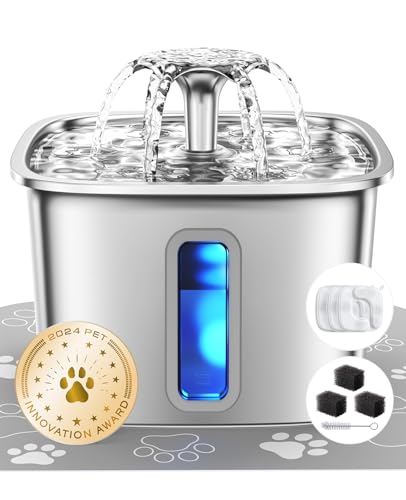
Veken Stainless Steel Cat Water Fountain
Flowing water encourages hydration, which supports kidney health
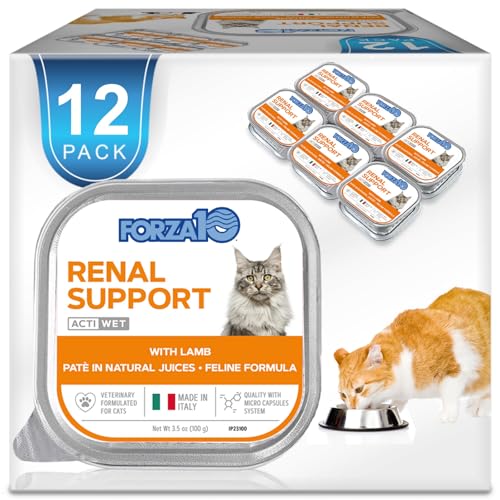
Forza10 Vet-Formulated Renal Wet Food
Controlled-phosphorus food for cats whose hypertension stems from kidney disease
Haven Pet Insurance for Senior Cats.Coverage for accidents, illness, and the chronic conditions that drive the biggest senior-cat vet bills (kidney disease, hyperthyroidism, diabetes). Get a fast, free quote using your cat’s breed, age, and zip, then see your monthly premium before you commit.Sponsored
What Hypertension Means for a Cat
Blood pressure is the force of blood pushing against the walls of the arteries. A certain amount of pressure is normal and necessary, but when it stays too high for too long, that constant force damages small blood vessels throughout the body. In cats, four organs are especially vulnerable: the eyes, the kidneys, the heart, and the brain. Veterinarians sometimes call these the target organs of hypertension.
A cat is generally considered hypertensive when its systolic pressure stays at or above roughly 160 mmHg, particularly when there is also evidence of organ damage. Because cats are anxious at the clinic, a single high reading is interpreted carefully, with several measurements taken in a calm setting to rule out simple stress.
Why Senior Cats Are at Risk
Feline hypertension is usually secondary, meaning it rides along with another disease rather than appearing on its own. The conditions that drive it are the same ones that become common in old age.
- Chronic kidney disease: The single most frequent partner of hypertension in cats. Damaged kidneys disrupt the hormones and fluid balance that regulate blood pressure.
- Hyperthyroidism: An overactive thyroid speeds the heart and circulation, pushing pressure upward. Treating the thyroid often improves the hypertension.
- Diabetes: Less common as a cause but still a contributor in some cats.
- Primary hypertension: In a minority of cats no underlying disease is found, and the high pressure itself is the diagnosis.
Because these triggers are so common in older cats, any senior diagnosed with kidney or thyroid disease should have blood pressure measured regularly. Catching the connection early prevents the silent damage that hypertension causes.
Signs to Watch For at Home
The frustrating truth is that most hypertensive cats look completely normal until an organ is harmed. When signs do appear, they tend to be sudden and alarming.
- Sudden blindness: A cat that walks into furniture, has widely dilated pupils that do not shrink in light, or seems newly disoriented may have bleeding or detachment in the retina.
- Neurological changes: Disorientation, a wobbly walk, head pressing, circling, or seizures can signal pressure affecting the brain.
- Blood where it should not be: Blood in the urine or nosebleeds occasionally occur.
- Restlessness or yowling: Some cats seem agitated, especially at night, though this overlaps with other senior conditions.
Any sudden change in a senior cat's vision or balance is an emergency. The faster a hypertensive crisis is treated, the better the chance of saving sight and preventing further harm.
Senior Cat Wellness & Care Planner
Track your aging cat's health, meds, vet visits, mobility, nutrition, and quality of life, all in one printable planner.
How Hypertension Is Diagnosed
Diagnosing feline hypertension takes more than one number. Your veterinarian will place a small cuff on a paw or the tail and use a Doppler or oscillometric monitor to take several readings while the cat rests in a quiet room. Averaging the readings helps filter out the spike that anxiety alone can cause. Our cat blood pressure chart shows the normal range and the risk categories vets use.
Just as important, the vet looks for evidence that high pressure is already doing damage. An eye exam can reveal retinal changes that confirm hypertension even when readings are borderline. Bloodwork and a urine test screen for the kidney and thyroid disease that so often lurk underneath. This combined picture, pressure plus organ findings, guides the decision to treat.
Treatment and Daily Management
The cornerstone of treatment is a daily oral medication called amlodipine, a calcium channel blocker that relaxes the arteries and lowers pressure. It works well in the majority of cats and is given as a small tablet, often hidden in a treat or a spoonful of wet food. Some cats also need additional medication, particularly those with significant protein loss in the urine.
Treating the underlying disease matters just as much as the blood pressure pill. Controlling hyperthyroidism or managing kidney disease can lower pressure substantially and sometimes reduces how much medication a cat needs. Most hypertensive cats stay on treatment for life, with rechecks every few months to confirm the pressure remains in a safe target range.
| Element of Care | Why It Matters |
|---|---|
| Daily amlodipine | Directly lowers blood pressure and protects target organs |
| Treating the underlying disease | Addresses kidney or thyroid problems driving the hypertension |
| Regular eye exams | Detects and helps prevent vision-threatening retinal damage |
| Periodic pressure rechecks | Confirms the dose is keeping pressure in target range |
| Hydration and renal diet | Supports kidneys when CKD is the underlying cause |
Editor's Pick · Sponsored
Haven Pet Insurance for Senior Cats
Coverage for accidents, illness, and the chronic conditions that drive the biggest senior-cat vet bills (kidney disease, hyperthyroidism, diabetes). Get a fast, free quote using your cat’s breed, age, and zip, then see your monthly premium before you commit.
The Outlook for Hypertensive Cats
With prompt, consistent treatment, the outlook for a hypertensive cat is genuinely good. Once pressure is controlled, the risk of further damage to the eyes, brain, heart, and kidneys drops sharply. Cats that lost some vision before treatment may never regain it, which underscores how valuable early screening is, but many cats live comfortably for years on a single daily tablet and routine monitoring.
The most important thing you can do is have your senior cat's blood pressure checked, especially if kidney or thyroid disease has already been diagnosed. Catching hypertension before it strikes the eyes is one of the clearest examples of how a simple senior screening test can protect quality of life.
Related Guides
- Kidney Disease in Senior Cats - The most common driver of feline hypertension.
- Hyperthyroidism in Senior Cats - Another thyroid condition that raises blood pressure.
- Vision Loss in Senior Cats - How to help a cat that has lost some sight.
Pet Insurance · Sponsored
Protect Your Senior Cat From Surprise Vet Bills
Older cats are more prone to kidney, dental, and thyroid trouble, and a single emergency visit can run into the hundreds or thousands. Pet insurance can help you say yes to the care your cat needs without draining your savings. Get a free quote and see what coverage fits.
Frequently Asked Questions
What causes high blood pressure in senior cats?
Most feline hypertension is secondary, meaning it develops alongside another disease. The two biggest culprits are chronic kidney disease and hyperthyroidism, both extremely common in cats over ten. Diabetes and certain heart conditions can also raise blood pressure. Less often, a cat has primary hypertension with no underlying cause found. Because the trigger is usually another senior illness, any cat diagnosed with kidney or thyroid disease should have blood pressure checked regularly.
What are the signs of hypertension in cats?
Hypertension is often silent until it causes damage. The most dramatic sign is sudden blindness, when bleeding or retinal detachment leaves a cat bumping into things with widely dilated pupils. Other clues include disorientation, a wobbly gait, seizures, blood in the urine, or nosebleeds. Many cats show nothing at all, which is why blood pressure should be measured as part of senior wellness checks rather than waiting for symptoms to appear.
How is feline blood pressure measured at the vet?
Veterinarians use a Doppler or oscillometric device with a small inflatable cuff placed on a paw or the tail, much like a human blood pressure test. The cat is kept calm in a quiet room and several readings are averaged to reduce stress-related spikes, sometimes called white-coat effect. A systolic reading consistently above 160 mmHg, especially with evidence of organ damage, generally confirms hypertension that needs treatment.
Can high blood pressure make my cat go blind?
Yes, and it is one of the most heartbreaking consequences. Sustained high pressure damages the delicate vessels of the retina, causing bleeding and detachment that can blind a cat suddenly and sometimes permanently. If treatment begins quickly after the first signs, some vision can occasionally be restored. This risk is the main reason veterinarians screen blood pressure in senior cats and treat elevated readings promptly, before the eyes, brain, heart, and kidneys are harmed.
How is hypertension treated in cats?
The mainstay is a daily oral medication called amlodipine, a calcium channel blocker that relaxes blood vessels and lowers pressure effectively in most cats. If an underlying disease like hyperthyroidism or kidney disease is present, treating that condition is equally important. Cats usually need lifelong medication with periodic rechecks to confirm the pressure stays in a safe range. With consistent treatment, many cats do very well.
Should I feed my hypertensive cat a low-sodium diet?
Modest sodium control may help, but diet alone rarely controls feline hypertension the way medication does. Because most affected cats also have kidney disease, a therapeutic renal diet that limits phosphorus and provides moderate sodium is often the practical choice. Always make diet changes under veterinary guidance rather than drastically cutting salt on your own, which can backfire. Medication remains the cornerstone of safe blood pressure control.
How often should my senior cat's blood pressure be checked?
Healthy cats over the age of ten benefit from a blood pressure reading at least once a year as part of senior screening. Cats with kidney disease, hyperthyroidism, or diabetes should be checked more often, typically every three to six months, and sooner if signs appear. Cats already on blood pressure medication need regular rechecks to confirm the dose is keeping them in target range.
Need more help with your aging cat?
Browse our guides by topic to find practical solutions.
Wellness Planner: $39