Pancreatitis in Senior Cats: Signs & Care
Pancreatitis in cats is subtle: hiding, not eating, and nausea. Learn acute vs chronic forms, the triaditis link with IBD and liver disease, the fPLI test, and treatment.
Pancreatitis is one of the most under-recognized illnesses in older cats, partly because cats hide it so well. The pancreas is a small organ that sits near the stomach and intestine, where it makes digestive enzymes and the insulin that controls blood sugar. When it becomes inflamed, those enzymes can begin to irritate the pancreas itself, causing pain, nausea, and a cat that quietly stops eating.
If you have searched for this because your senior cat is hiding and refusing food, you are right to take it seriously. Feline pancreatitis rarely announces itself with dramatic vomiting the way it does in dogs. Instead it whispers. This guide explains what is happening, why pancreatitis so often travels with IBD and liver disease, how it is diagnosed, and the practical steps that help your cat recover. It is educational and meant to support, not replace, your veterinarian's care.
Appetite & Hydration Support for a Recovering Cat

Vetoquinol High-Calorie Nutritional Gel for Cats
Palatable calorie boost to help a nauseated cat keep eating during a flare

Under the Weather High-Calorie Weight Gain Powder
Easy calorie topper for cats that are losing weight and picking at food

Pro Plan Veterinary Diets FortiFlora Cat Probiotic
Vet-favorite probiotic that can settle the gut and tempt a reluctant eater
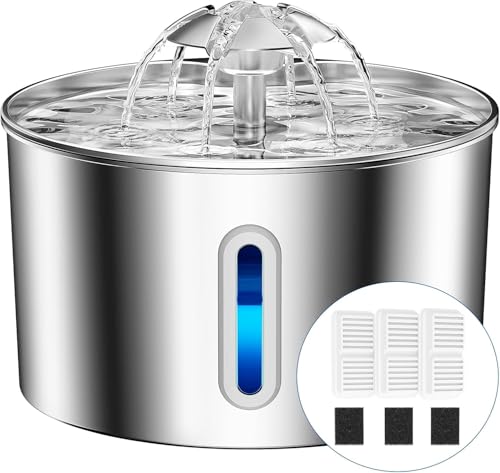
BalimoPet Stainless Steel Cat Water Fountain
Flowing water helps a dehydrated, off-food cat keep drinking
Haven Pet Insurance for Senior Cats.Coverage for accidents, illness, and the chronic conditions that drive the biggest senior-cat vet bills (kidney disease, hyperthyroidism, diabetes). Get a fast, free quote using your cat’s breed, age, and zip, then see your monthly premium before you commit.Sponsored
What the Pancreas Does
The pancreas has two jobs. Its exocrine tissue produces digestive enzymes that travel down a duct into the small intestine to break down fat, protein, and starch. Its endocrine tissue produces hormones, including insulin, that regulate blood sugar. When the pancreas becomes inflamed, those powerful digestive enzymes can activate too early and begin to damage the gland itself, setting off a cycle of inflammation and pain.
Because the pancreas sits at a crossroads of digestion and metabolism, ongoing inflammation can have ripple effects. Repeated or chronic flares can scar the gland and, over time, reduce its ability to make insulin, which is one reason chronic pancreatitis and diabetes sometimes appear in the same cat.
Acute Versus Chronic Pancreatitis
Veterinarians describe two broad patterns, though they can blur together in real life.
Acute Pancreatitis
This form comes on suddenly. The cat may feel genuinely sick, refuse all food, become dehydrated, and act painful and withdrawn. Severe cases can affect other organs and need hospitalization with intravenous fluids, pain medication, and intensive nursing. Acute flares are frightening but, with prompt care, many cats recover well.
Chronic Pancreatitis
This is the more common form in cats. It is a low-grade, smoldering inflammation that flares and settles over months or years. Signs are often mild and intermittent: a cat that is occasionally off its food, a little quiet, or slowly losing weight. Because each episode is subtle, chronic pancreatitis frequently goes undiagnosed until a flare becomes severe or until bloodwork is run for another reason.
The Triaditis Connection
One of the most important things to understand about feline pancreatitis is that it rarely travels alone. In cats, the pancreatic duct and the bile duct from the liver share a common opening into the small intestine. This shared plumbing means inflammation can spread readily between the pancreas, the liver and bile ducts, and the intestine.
When all three are inflamed at once, veterinarians call it triaditis: pancreatitis, cholangitis (inflammation of the bile ducts and liver), and inflammatory bowel disease together. This is why a cat diagnosed with pancreatitis is often evaluated for IBD and liver disease too, and why treatment sometimes has to address more than one organ. If your cat also has chronic vomiting, diarrhea, or yellow-tinged eyes, mention it, because it helps complete the picture.
Recognizing the Vague Signs
The hardest part of feline pancreatitis is that the signs are so quiet. Watch for any combination of the following in a senior cat:
- Not eating: The single most common and important sign. A cat that walks away from favorite food deserves attention.
- Lethargy and hiding: Sleeping more, retreating to closets or under beds, and interacting less.
- Nausea: Lip licking, drooling, or hunching over the food bowl without eating.
- Vomiting: Present in some cats but, unlike dogs, often absent or mild.
- Dehydration: A scruffed skin fold that is slow to flatten, or tacky gums.
- Weight loss: Especially with chronic, repeated flares.
- Hunched, painful posture: A cat that sits tucked up and resents being picked up around the belly.
None of these are specific to pancreatitis, which is exactly the point. They overlap with kidney disease, hyperthyroidism, IBD, and many other senior illnesses, so the only way to sort it out is a veterinary visit and testing.
Senior Cat Wellness & Care Planner
Track your aging cat's health, meds, vet visits, mobility, nutrition, and quality of life, all in one printable planner.
How Pancreatitis Is Diagnosed
There is no single perfect test, so your veterinarian assembles the diagnosis from several sources.
| Tool | What It Tells Your Veterinarian |
|---|---|
| fPLI / Spec fPL blood test | The most useful pancreas-specific marker in cats; supports the diagnosis |
| General blood panel | Checks the liver, kidneys, blood sugar, and hydration, and screens for other illness |
| Abdominal ultrasound | Can show an enlarged, inflamed pancreas and check the liver and intestine |
| History and physical exam | Appetite, weight trend, pain, and dehydration guide the whole workup |
Because the older feline lipase and amylase tests were unreliable in cats, the feline-specific pancreatic lipase test was an important advance. Even so, no test is perfect, and your veterinarian interprets it alongside the ultrasound and the cat's overall condition.
Treatment and Recovery
Feline pancreatitis has no specific cure, so care is supportive and focused on helping your cat feel well enough to eat and heal. Depending on severity, treatment may include:
- Fluid therapy: Intravenous fluids in the hospital or subcutaneous fluids at home to correct dehydration.
- Pain control: Pancreatitis genuinely hurts, and good pain relief often helps a cat start eating again.
- Anti-nausea medication: Drugs like maropitant calm nausea and protect appetite.
- Appetite support: Appetite stimulants, warmed and aromatic foods, and frequent small meals.
- Feeding tube: In cats that will not eat, a temporary feeding tube can be lifesaving by preventing fatty liver.
The guiding principle of modern feline pancreatitis care is early, adequate nutrition. The old advice to withhold food does not apply to cats, who are at high risk of hepatic lipidosis when they stop eating. Getting calories in, by whatever gentle means works, is often the difference that turns recovery around.
Editor's Pick · Sponsored
Haven Pet Insurance for Senior Cats
Coverage for accidents, illness, and the chronic conditions that drive the biggest senior-cat vet bills (kidney disease, hyperthyroidism, diabetes). Get a fast, free quote using your cat’s breed, age, and zip, then see your monthly premium before you commit.
Living With Chronic Pancreatitis
Many senior cats live for years with chronic pancreatitis once it is recognized. The goal is to keep flares mild and infrequent and to catch them early. Learn your cat's normal appetite and energy so you notice the first quiet day of poor eating, and keep anti-nausea or appetite medication on hand if your veterinarian recommends it. Feed a complete, palatable food your cat reliably eats, and address any companion IBD or liver disease as part of the plan.
Keep simple notes on appetite, weight, energy, and any vomiting between visits, since this home record helps your veterinarian spot a flare before it becomes severe. With attentive care, pain control, and a steadfast focus on nutrition, most cats with pancreatitis can feel comfortable and enjoy a good quality of life.
Related Guides
- Inflammatory Bowel Disease in Cats - The gut half of the triaditis trio that often accompanies pancreatitis.
- Liver Disease in Senior Cats - Why a cat that stops eating risks dangerous fatty liver.
- Old Cat Vomiting - How to tell hairballs from disease and when vomiting is an emergency.
Pet Insurance · Sponsored
Protect Your Senior Cat From Surprise Vet Bills
Older cats are more prone to kidney, dental, and thyroid trouble, and a single emergency visit can run into the hundreds or thousands. Pet insurance can help you say yes to the care your cat needs without draining your savings. Get a free quote and see what coverage fits.
Frequently Asked Questions
What are the signs of pancreatitis in a senior cat?
Feline pancreatitis is frustratingly vague. Unlike dogs, cats rarely vomit dramatically. The most common signs are simply not eating, lethargy, and hiding. Many owners describe a cat that is just off, quiet, and tucked away in a back room. Some cats show mild nausea, lip licking, drooling, weight loss, dehydration, a hunched posture, or a low-grade fever. Because these clues are so subtle, pancreatitis is easy to miss and often found only when bloodwork is run for a cat that simply stopped eating.
What is the difference between acute and chronic pancreatitis in cats?
Acute pancreatitis comes on suddenly and can be severe, with a cat that feels very ill, refuses food, and may need hospitalization for fluids and pain control. Chronic pancreatitis is a smoldering, long-term inflammation that flares and settles over months or years. Chronic forms are actually more common in cats and often go undiagnosed because signs are mild and intermittent. The same cat can have repeated flares, and over time chronic inflammation can scar the pancreas and affect insulin production.
What is triaditis in cats?
Triaditis describes the simultaneous inflammation of three connected organs: the pancreas, the liver and bile ducts (cholangitis), and the intestine (inflammatory bowel disease). In cats the pancreatic and bile ducts share a common opening into the small intestine, so inflammation in one organ readily spreads to the others. This anatomy is why feline pancreatitis so often travels with IBD and liver disease. When a senior cat has pancreatitis, your veterinarian will usually look for these companion conditions too.
How is pancreatitis diagnosed in cats?
There is no single perfect test, so diagnosis combines several pieces. A feline-specific pancreatic lipase test, often called fPLI or Spec fPL, is the most useful blood marker and is more reliable in cats than older lipase tests. Veterinarians pair it with general bloodwork, an abdominal ultrasound that can show an inflamed pancreas, and a careful history and exam. Because pancreatitis overlaps with IBD, liver disease, and other illnesses, your veterinarian builds the diagnosis from the whole picture rather than one number.
How is feline pancreatitis treated?
There is no specific cure, so treatment is supportive and aimed at helping the cat feel well enough to eat. Care often includes intravenous or subcutaneous fluids to correct dehydration, strong pain control because pancreatitis hurts, anti-nausea medication, and appetite support. The single most important goal is getting calories in, since cats that stop eating risk dangerous hepatic lipidosis. Severe cases need hospitalization, while milder flares can sometimes be managed at home with medication and frequent, tempting meals.
Why is it dangerous when a cat with pancreatitis stops eating?
Cats that go even a few days without enough food can develop hepatic lipidosis, or fatty liver, a serious and potentially fatal condition where fat floods the liver. A painful, nauseated cat with pancreatitis is a prime candidate because it simply will not eat. This is why veterinarians push so hard on appetite stimulants, anti-nausea drugs, tempting foods, and sometimes a feeding tube. Never wait out a senior cat that has refused food for more than a day or two.
Can diet help manage chronic pancreatitis in cats?
Diet is supportive rather than curative in cats, and the priority is a complete food the cat will actually eat. Unlike dogs, cats do not clearly benefit from very low-fat diets, so a highly digestible, palatable food is usually the goal. If pancreatitis travels with IBD, your veterinarian may suggest a novel-protein or hydrolyzed diet. The most important rule is to keep your cat eating, because adequate nutrition protects the liver and supports recovery far more than any single ingredient.
Need more help with your aging cat?
Browse our guides by topic to find practical solutions.
Wellness Planner: $39