Megacolon in Cats: Severe Constipation Care
Megacolon is the severe end of chronic feline constipation. Learn the signs, lactulose and MiraLAX under vet guidance, diet and hydration, and when surgery is needed.
Megacolon is one of the more distressing problems a senior cat can develop, both for the cat that strains uncomfortably in the litter box and for the owner who watches it happen. It sits at the severe end of the constipation spectrum: a colon so stretched and weakened that it can no longer push stool through. If your older cat keeps straining, producing little, and seems to be backing up, this guide will help you understand what is going on and what can be done.
The encouraging news is that megacolon is manageable. With the right combination of hydration, diet, veterinary-prescribed laxatives, and sometimes surgery, most affected cats can be kept comfortable and regular. Below we explain how megacolon develops, how to recognize it, and the full range of treatment from gentle home support to subtotal colectomy. This is educational and meant to support, not replace, your veterinarian's care.
Hydration & Comfort Aids for a Cat With Megacolon

TOMLYN Laxatone Hairball & Constipation Gel
Lubricating gel that can ease stool passage, used alongside vet care

Diggin' Your Dog Pumpkin Fiber Supplement for Cats
Natural soluble fiber to add bulk and moisture, per your vet's plan

Suhaco Low-Entry Litter Box for Senior Cats
Easy step-in design so an arthritic, straining cat uses the box readily
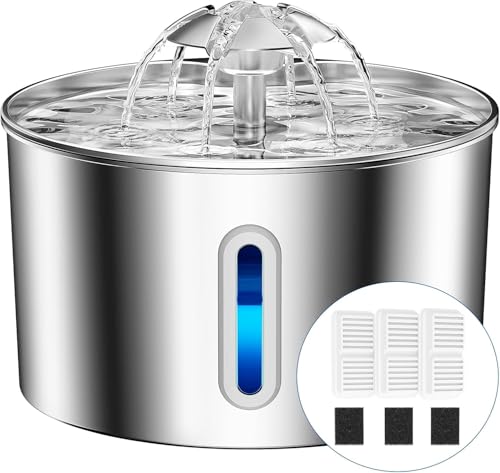
BalimoPet Stainless Steel Cat Water Fountain
Encourages the steady hydration that keeps stool soft
Haven Pet Insurance for Senior Cats.Coverage for accidents, illness, and the chronic conditions that drive the biggest senior-cat vet bills (kidney disease, hyperthyroidism, diabetes). Get a fast, free quote using your cat’s breed, age, and zip, then see your monthly premium before you commit.Sponsored
What Happens in Megacolon
The colon, or large intestine, normally absorbs water from waste and uses rhythmic muscle contractions to move stool toward the rectum. In megacolon, the colon becomes abnormally wide, stretched, and flabby, and those muscles can no longer contract with enough force. Stool sits in the enlarged colon, where more and more water is absorbed, so it dries into a hard, impacted mass that the cat cannot pass.
Megacolon often develops as the end stage of long-standing constipation. Each episode of impaction overstretches the colon a little more, and over time the muscle wall is permanently damaged in a self-perpetuating cycle. In some cats the cause is a nerve or muscle disorder, or an old pelvic injury that narrowed the canal, but in many older cats no single cause is found and the colon simply loses function over years.
Recognizing the Signs
Because the litter box is where the trouble shows, attentive observation is your best early warning:
- Straining with little or no result: Repeated, prolonged squatting that produces only small, hard pellets or nothing at all.
- Frequent unproductive trips to the box: Going in and out without success, sometimes crying.
- Hard, dry, pellet-like stool: When stool does pass, it is small and rock-hard.
- A firm mass in the belly: Your veterinarian, and sometimes you, can feel a sausage-like column of stool.
- Reduced appetite and vomiting: A backed-up colon makes cats feel nauseated and unwell.
- Lethargy, weight loss, and a dull coat: Signs of a cat that feels chronically poorly.
- Apparent diarrhea: Liquid stool sometimes leaks around the hard mass, which is misleading.
Straining in the litter box can look similar to a urinary blockage, which is a true emergency. If you are not certain whether your cat is constipated or cannot urinate, treat it as urgent and call your veterinarian right away.
Senior Cat Wellness & Care Planner
Track your aging cat's health, meds, vet visits, mobility, nutrition, and quality of life, all in one printable planner.
Diagnosis
Your veterinarian will feel the abdomen, where an impacted colon is often obvious, and usually take an x-ray to confirm the colon is enlarged and packed with stool. Bloodwork checks for underlying contributors such as dehydration, kidney disease, low potassium, and other conditions that worsen constipation, since treating those problems is part of managing the colon.
Medical Management
Most cats with megacolon are managed for years with a combination of approaches that keep stool soft and moving.
Hydration First
Dehydration is the enemy of soft stool. A moisture-rich wet diet, multiple water stations, a fountain, and sometimes added water or broth to meals all help. Cats with kidney disease are especially prone to constipation because they lose water in their urine.
Laxatives Under Veterinary Guidance
Lactulose is a prescription liquid laxative that pulls water into the stool and is a cornerstone of feline megacolon care. Some veterinarians also recommend MiraLAX, the human osmotic laxative polyethylene glycol 3350, which can be very effective in cats. Both require veterinary dosing because the right amount is specific to each cat and easy to get wrong. Never start either on your own.
Fiber and Diet
Diet is individualized. Some cats do well with added soluble fiber such as psyllium or canned pumpkin, while others actually improve on a low-residue diet that produces less stool. Your veterinarian will help you find the right balance for your cat rather than a one-size-fits-all rule.
Prokinetic Medication
Drugs such as cisapride help stimulate the colon to contract and are often added once the colon is cleared, to keep stool moving and prevent re-impaction.
| Management Tool | Role in Megacolon Care |
|---|---|
| Wet diet and hydration | Keeps stool soft so it can pass |
| Lactulose or vet-dosed MiraLAX | Draws water into stool to ease passage |
| Fiber or low-residue diet | Individualized to add bulk or reduce stool volume |
| Prokinetic medication | Helps the colon contract and move stool |
| Periodic veterinary enema | Clears a severe impaction the cat cannot pass |
Severe impactions sometimes need to be cleared at the veterinary clinic with fluids and an enema, occasionally under sedation. Never give a human over-the-counter enema at home; some are toxic to cats.
Editor's Pick · Sponsored
Haven Pet Insurance for Senior Cats
Coverage for accidents, illness, and the chronic conditions that drive the biggest senior-cat vet bills (kidney disease, hyperthyroidism, diabetes). Get a fast, free quote using your cat’s breed, age, and zip, then see your monthly premium before you commit.
When Surgery Is the Answer
When medical management can no longer keep a cat comfortable and impactions keep recurring, surgery becomes the kindest option. The procedure, a subtotal colectomy, removes most of the diseased, stretched colon. It is major surgery, but many cats do remarkably well afterward and escape the painful cycle of impaction for good. They often have softer, more frequent stools for a while as the body adjusts, which most owners gladly accept in exchange for a comfortable cat. Your veterinarian or a surgical specialist can help you decide if and when this step is right.
Helping at Home
Beyond medication, small environmental changes matter. Provide a large, low-entry litter box that an arthritic senior can step into easily, since pain can make a cat avoid the box and hold stool. Keep the box scrupulously clean, place several around the home, and watch litter box output daily so you catch a backup early. With consistent hydration, the right diet, veterinary-guided medication, and prompt attention to flares, most cats with megacolon can live comfortably for years.
Related Guides
- Constipation in Senior Cats - The earlier stage, with home remedies and when it becomes urgent.
- Kidney Disease in Senior Cats - A common cause of the dehydration that worsens constipation.
- Signs Your Old Cat Is in Pain - Why litter box avoidance can signal discomfort.
Pet Insurance · Sponsored
Protect Your Senior Cat From Surprise Vet Bills
Older cats are more prone to kidney, dental, and thyroid trouble, and a single emergency visit can run into the hundreds or thousands. Pet insurance can help you say yes to the care your cat needs without draining your savings. Get a free quote and see what coverage fits.
Frequently Asked Questions
What is megacolon in cats?
Megacolon is a condition in which the colon becomes abnormally enlarged, stretched, and weakened so that it can no longer contract effectively to move stool. Without normal muscle tone, feces accumulate, dry out, and harden into a large, impacted mass the cat cannot pass. Megacolon can develop after long-standing constipation, where repeated overstretching damages the colon wall, or from nerve and muscle problems. It represents the severe end of the chronic constipation spectrum in cats and usually needs lifelong management.
What are the signs of megacolon in a senior cat?
Watch for repeated straining in the litter box with little or no stool, hard dry pellets, and trips to the box that end without success. Cats may cry out, hunch, or make frequent unproductive visits. Because the colon backs up, you may see reduced appetite, vomiting, lethargy, weight loss, and a dull coat. Paradoxically, some liquid stool may leak around the hard mass and look like diarrhea. A firm, sausage-like mass is often felt in the belly. These signs warrant veterinary care.
How is megacolon different from ordinary constipation?
Constipation is difficulty passing stool that often responds to more water, fiber, and a stool softener. Megacolon is the chronic, advanced stage where the colon has stretched and lost its ability to contract, so constipation keeps recurring and becomes harder to relieve. A constipated cat may need occasional help; a cat with megacolon usually needs lifelong management and sometimes surgery. Megacolon is essentially what untreated or severe recurrent constipation can become over time.
Is lactulose or MiraLAX safe for cats?
Both are used in cats, but only under veterinary guidance and dosing. Lactulose is a prescription liquid laxative that draws water into the stool and is a mainstay of feline megacolon care. MiraLAX, the human osmotic laxative polyethylene glycol 3350, is sometimes recommended by veterinarians for cats and can be very effective, but the dose is specific and easy to get wrong. Never start either on your own. Your veterinarian will pick the product, dose, and monitoring plan for your individual cat.
What should I feed a cat with megacolon?
Diet is individualized and your veterinarian will guide it. Many cats do best on a highly digestible, moisture-rich wet diet to keep stool soft, and added water intake is crucial. Some cats benefit from added fiber such as psyllium or canned pumpkin, while others actually do better on a low-residue diet that produces less stool; the right choice depends on the cat. Consistent hydration through wet food, fountains, and sometimes added water to meals is one of the most important parts of management.
When does a cat with megacolon need surgery?
Surgery, called a subtotal colectomy, is considered when medical management with laxatives, diet, hydration, and prokinetic drugs no longer keeps the cat comfortable and free of recurrent impactions. In this procedure a surgeon removes most of the diseased, stretched colon. Many cats do remarkably well afterward and return to a good quality of life, though they often have softer stools for a time. It is a major surgery, so it is reserved for cats that need it, but outcomes are frequently very good.
Can megacolon in cats be cured?
Medical management does not cure the stretched colon, but it can control the condition well for a long time in many cats with the right combination of laxatives, hydration, diet, prokinetic medication, and regular monitoring. For cats whose colon is too damaged to respond, surgical removal of most of the colon can be effectively curative, eliminating the cycle of impaction. The goal of either approach is the same: a comfortable cat that passes stool regularly and feels well.
Need more help with your aging cat?
Browse our guides by topic to find practical solutions.
Wellness Planner: $39