Urinary Blockage & FLUTD in Senior Cats
A urinary blockage is a male-cat emergency: straining with little output means a vet now. Learn FLUTD causes, stones versus idiopathic cystitis, treatment, and prevention.
Few feline emergencies move as fast or as quietly as a urinary blockage. A cat can seem mildly off in the evening and be critically ill by the next day. If you are reading this because your cat, especially a male cat, is straining in the litter box and producing little or no urine, stop and call your veterinarian or an emergency clinic right now. This is one of the true can't-wait emergencies in cat ownership.
Urinary blockage is the most dangerous outcome of a broader group of problems called feline lower urinary tract disease, or FLUTD. This guide explains the emergency you must never miss, the range of urinary conditions that affect cats, why male cats are at special risk, and how these problems are treated and prevented. It is educational and meant to support, not replace, your veterinarian's care, and it should never delay an emergency visit.
Hydration & Urinary Support for Senior Cats

Royal Canin Veterinary Urinary Care Wet Food
Moisture-rich formula that helps dilute urine and support bladder health

FELIWAY Cystease Urinary Tract Support
Bladder-lining support supplement for cats prone to cystitis flares
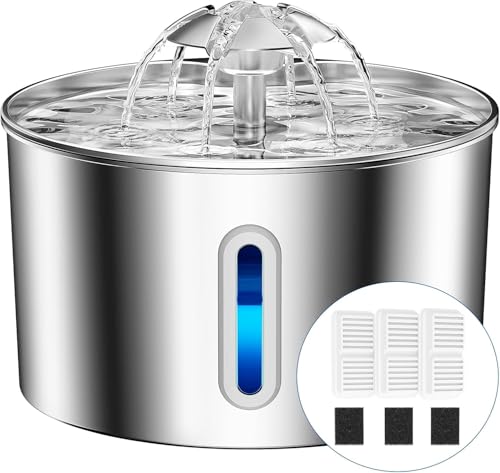
BalimoPet Stainless Steel Cat Water Fountain
Flowing water encourages the high intake that dilutes urine

Suhaco Large Low-Entry Litter Box
An inviting, easy-access box encourages frequent, full bladder emptying
Haven Pet Insurance for Senior Cats.Coverage for accidents, illness, and the chronic conditions that drive the biggest senior-cat vet bills (kidney disease, hyperthyroidism, diabetes). Get a fast, free quote using your cat’s breed, age, and zip, then see your monthly premium before you commit.Sponsored
The Emergency You Cannot Miss
When a cat's urethra becomes blocked, urine has nowhere to go. The bladder fills past its limit, and within hours waste products and potassium climb in the blood. High potassium disturbs the heart's rhythm and can stop it. A complete blockage can become fatal in as little as 24 to 48 hours, and the cat suffers terribly in the meantime.
The signs of a blockage demand an immediate veterinary visit, day or night:
- Straining with little or no urine: Repeated, prolonged squatting that produces only a drop or nothing at all.
- Frequent trips to the litter box: In and out, often crying or vocalizing in pain.
- Crying out or licking the genitals: Signs of pain and a desperate urge to urinate.
- A hard, painful belly: The overfull bladder can feel like a firm orange low in the abdomen.
- Vomiting, lethargy, collapse: Late, ominous signs that toxins are building; this cat is in crisis.
Because constipation causes similar straining, owners sometimes wait, assuming the cat just needs to pass stool. When in doubt, treat it as a blockage and go to the vet immediately. A constipated cat is rarely in danger overnight; a blocked cat can die. The cost of an unnecessary visit is far smaller than the cost of a missed obstruction.
Senior Cat Wellness & Care Planner
Track your aging cat's health, meds, vet visits, mobility, nutrition, and quality of life, all in one printable planner.
Why Male Cats Block
Male cats have a long, narrow urethra that tapers further as it passes through the penis. That narrow point is easily plugged by crystals, mucus, inflammatory debris, or a small stone, stopping urine flow completely. Female cats have a shorter, wider urethra and can develop FLUTD and bladder stones but rarely block. This anatomy is the single biggest reason every straining male cat should be treated as a potential emergency.
Understanding FLUTD
Feline lower urinary tract disease is an umbrella term for several conditions that inflame the bladder and urethra and cause painful, frequent, or bloody urination. The common signs across all of them include straining, going more often, passing only small amounts, blood-tinged urine, urinating outside the box, and excessive licking of the genitals.
| FLUTD Cause | What to Know |
|---|---|
| Feline idiopathic cystitis | The most common cause; bladder inflammation with no clear trigger, strongly linked to stress |
| Bladder stones | Struvite stones may dissolve with diet; calcium oxalate stones usually need surgery |
| Crystals and urethral plugs | Mineral crystals plus mucus can form the plug that blocks male cats |
| Urinary tract infection | More common in older cats and those with kidney disease or diabetes; treated with antibiotics |
| Tumors | Uncommon, more likely in older cats, found on imaging |
Idiopathic Cystitis: The Stress Connection
The most frequent FLUTD diagnosis in cats is feline idiopathic cystitis, where the bladder is painfully inflamed but there is no infection, stone, or obvious cause. Stress plays a major role: changes in routine, conflict in multi-cat homes, a dirty or unwelcoming litter box, and boredom can all trigger flares. This is why management leans so heavily on reducing stress and increasing water intake rather than antibiotics.
Stones Versus Idiopathic Disease
Distinguishing stones from idiopathic cystitis matters because the treatments differ. Struvite stones can often be dissolved with a special veterinary diet, while calcium oxalate stones must be removed surgically. Idiopathic cystitis, by contrast, has no stone to remove and is managed with hydration, pain relief, and stress reduction. Your veterinarian uses urinalysis, x-rays, and sometimes ultrasound to tell them apart.
How Urinary Problems Are Treated
A blocked cat is an emergency case. The veterinary team relieves the obstruction by passing a urinary catheter under sedation to drain the bladder and flush the urethra, then hospitalizes the cat on fluids to correct the dangerous blood changes, often leaving the catheter in place for a day or two. Pain control is essential throughout.
Non-blocked FLUTD is treated based on the cause: pain relief and increased water for idiopathic cystitis, a dissolving diet or surgery for stones, antibiotics for confirmed infections, and stress reduction across the board. Because blocked cats can re-block, your veterinarian will set up a careful prevention plan after the crisis passes.
Editor's Pick · Sponsored
Haven Pet Insurance for Senior Cats
Coverage for accidents, illness, and the chronic conditions that drive the biggest senior-cat vet bills (kidney disease, hyperthyroidism, diabetes). Get a fast, free quote using your cat’s breed, age, and zip, then see your monthly premium before you commit.
Prevention: Hydration and Calm
Most urinary trouble in cats is reduced by the same handful of habits, which matter even more for a cat that has blocked before:
- Feed wet food: Moisture dilutes the urine and flushes the bladder, the single most protective change you can make.
- Maximize water intake: Offer several water stations, try a fountain, and keep water fresh and away from food and litter.
- Provide plenty of clean litter boxes: The rule of thumb is one box per cat plus one, kept scrupulously clean and easy to access.
- Reduce stress: Keep routines stable, give vertical space and hiding spots, ease multi-cat tension, and consider calming pheromone diffusers.
- Use a urinary diet when advised: Veterinary urinary foods control minerals and pH for cats prone to stones.
- Keep your cat lean: Obesity raises FLUTD risk, so a healthy weight helps.
Urinary disease is one of the most common reasons senior cats see the vet, and a blockage is one of the most preventable feline deaths when owners know the warning signs. Learn what straining with little output means, act fast if you ever see it, and build the hydration and calm that keep your cat's bladder healthy. When in doubt, always err on the side of an emergency visit.
Related Guides
- Constipation in Senior Cats - How to tell straining for stool from a urinary emergency.
- Kidney Disease in Senior Cats - A related urinary condition common in older cats.
- Old Cat Drinking Lots of Water - Why hydration and thirst changes matter in seniors.
Pet Insurance · Sponsored
Protect Your Senior Cat From Surprise Vet Bills
Older cats are more prone to kidney, dental, and thyroid trouble, and a single emergency visit can run into the hundreds or thousands. Pet insurance can help you say yes to the care your cat needs without draining your savings. Get a free quote and see what coverage fits.
Frequently Asked Questions
Is a urinary blockage in a cat an emergency?
Yes, an absolute emergency, especially in male cats. When the urethra blocks, the cat cannot pass urine, the bladder overfills, and toxins and potassium build up in the blood within hours. This can stop the heart and become fatal in as little as 24 to 48 hours. A cat that is straining repeatedly and producing little or no urine, crying, and growing distressed needs a veterinarian immediately, day or night. Do not wait until morning; minutes and hours matter with a blockage.
How do I know if my cat is blocked versus just constipated?
Both cause straining, which is why it is confusing. A blocked cat strains in the litter box producing little or no urine, often cries, may lick at the penis, vomits, and becomes lethargic and distressed as toxins build. A constipated cat strains for stool but is usually still urinating normally. When in doubt, treat it as a blockage and go to the vet immediately, because a missed urinary obstruction can be fatal within a day or two while constipation is rarely an emergency.
What is FLUTD in cats?
FLUTD, feline lower urinary tract disease, is an umbrella term for several conditions that cause painful, frequent, or bloody urination. It includes feline idiopathic cystitis (bladder inflammation with no clear cause, often stress-related), bladder stones, crystals, urinary tract infections, urethral plugs, and, less commonly, tumors. The signs overlap, so cats with FLUTD strain to urinate, go more often, pass small amounts, may have blood in the urine, and sometimes urinate outside the box. A blockage is the most dangerous FLUTD complication.
Why are male cats more at risk of blockage?
Male cats have a long, narrow urethra that tapers as it passes through the penis, so it is much easier to plug than the shorter, wider female urethra. Crystals, mucus, inflammatory debris, or small stones can form a plug that lodges in this narrow point and stops urine flow completely. Female cats can develop FLUTD and bladder stones but rarely block. This is why every male cat that is straining with little output should be treated as a possible emergency.
What causes FLUTD and blockages in cats?
The most common cause in cats is feline idiopathic cystitis, a stress-linked bladder inflammation with no infection or stones. Other causes include struvite or calcium oxalate bladder stones and crystals, urethral plugs made of crystals and mucus, bacterial infections (more common in older cats and those with kidney disease or diabetes), and rarely tumors. Stress, obesity, low water intake, an all-dry diet, and multi-cat household tension all raise the risk, which is why management focuses heavily on hydration and reducing stress.
How is FLUTD treated and how can I prevent flare-ups?
A blockage is relieved by passing a urinary catheter under sedation to drain the bladder and flush the urethra, followed by hospitalization to correct the blood changes. Non-blocked FLUTD is treated with pain relief, increased water intake, and addressing the cause: stones may need a dissolving diet or surgery, infections need antibiotics, and idiopathic cystitis is managed with stress reduction and hydration. Prevention centers on wet food, abundant fresh water, multiple clean litter boxes, and a calm environment.
Does diet help prevent urinary problems in cats?
Yes. Moisture is the single biggest factor, so feeding wet food and maximizing water intake dilutes the urine and flushes the bladder, which helps prevent crystals, stones, and idiopathic cystitis flares. For cats prone to struvite stones, veterinary urinary diets are formulated to dissolve and prevent them by controlling minerals and urine pH. Some diets also include ingredients aimed at reducing stress-related inflammation. Your veterinarian will recommend the right diet based on your cat's specific urinary history.
Need more help with your aging cat?
Browse our guides by topic to find practical solutions.
Wellness Planner: $39