Exercises for Senior Cats: Gentle Activity That Helps
Safe, gentle exercises and play ideas for senior cats to keep aging joints mobile, muscles strong, and minds sharp, plus how much activity an older cat needs.
It is tempting to let an old cat sleep the days away, and senior cats certainly earn their rest. But gentle, regular movement is one of the kindest things you can offer an aging cat. It keeps the muscles that cushion stiff joints from wasting away, helps manage weight, supports digestion, and keeps a senior mind engaged and curious.
The trick is matching the activity to the cat in front of you. This guide covers safe, low-impact exercises for older cats, how much they need, and how to coax a slowing-down cat back into gentle play.
Gentle Activity Tools for Older Cats
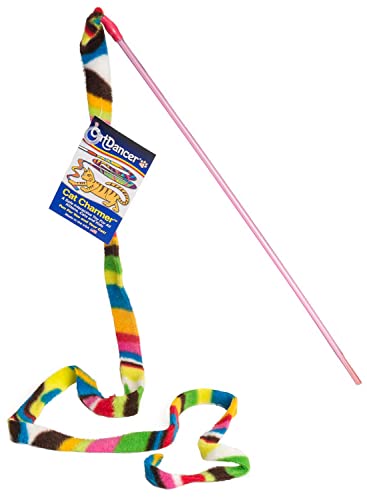
Cat Dancer Cat Dancer Charmer Wand Toy
A simple wand for slow, ground-level prey-style play

Catstages Catstages Nina Ottosson Puzzle
A treat puzzle that turns mealtime into gentle foraging work

Catstages Catstages Kitty Cube Treat Puzzle
An affordable foraging toy to encourage movement and thinking

Pet Gear Pet Gear Easy Step II Pet Stairs
Low, stable steps for gentle, confidence-building climbs
Why Senior Cats Need to Keep Moving
Activity is not just about burning energy. For an older cat, gentle movement does several jobs at once:
- Preserves muscle: Muscle stabilizes and cushions arthritic joints. Inactivity speeds the muscle loss that comes with age, making movement harder still.
- Manages weight: Staying lean reduces the load on aging joints and lowers the risk of diabetes and other conditions.
- Keeps joints mobile: Gentle motion keeps joints lubricated and limber rather than letting them stiffen.
- Sharpens the mind: Mental engagement helps counter the boredom and cognitive decline common in older cats.
Gentle Exercises That Suit Older Cats
Ground-Level Wand Play
A wand or teaser toy taps into your cat's hunting instinct, but for a senior cat keep the action low and slow. Drag the toy along the floor like scurrying prey rather than waving it high, encouraging walking, stalking, stretching, and gentle pounces without hard jumps or landings. A few minutes of this is both exercise and enrichment.
Food Puzzles and Foraging
Puzzle feeders and treat-dispensing toys make your cat work gently for food, combining light movement with valuable mental stimulation. Scattering a few kibbles around a room for your cat to find achieves the same on a budget. Foraging echoes natural feeding behavior and keeps a senior brain busy.
Gentle Climbing
Low, stable pet steps let a cat practice careful climbing that strengthens the hind legs, as long as the impact stays gentle and the surface is non-slip. This is about controlled, confident movement, not athletic leaping.
Senior Cat Wellness & Care Planner
Track your aging cat's health, meds, vet visits, mobility, nutrition, and quality of life, all in one printable planner.
Stretching and Grooming Games
Encourage stretching by placing a treat or toy just out of easy reach so your cat extends to reach it. Gentle grooming and massage also keep an older cat engaged with their body and give you a chance to feel for any new lumps, sore spots, or stiffness.
How Much, and How to Read Your Cat
Little and often beats long and tiring. Two or three sessions of five to ten minutes a day suits most senior cats, scheduled when your cat is naturally most alert, often around dawn and dusk. Watch closely and stop before your cat tires. Panting, stiffness, reluctance, or moving away are signals to end the session. Activity should always feel like enjoyable play, never a workout you impose.
Safety and When to Check With the Vet
Before starting any new routine with an older or unwell cat, a quick word with your vet is wise, especially if your cat has heart disease, arthritis, or another condition. Stop and seek advice if exercise seems to cause pain, such as limping, crying, hiding, or stiffness afterward. A cat who suddenly refuses to move or play may be telling you something hurts, and that deserves an exam rather than encouragement. Any weight-loss component must be gradual and vet-supervised, since rapid loss can trigger a dangerous liver condition in cats.
The Bottom Line
Senior cats thrive on gentle, frequent, low-impact activity that protects their muscles, joints, weight, and minds. Reach for slow wand play, food puzzles, and easy climbs, keep sessions short and positive, and let your cat set the pace. Pair this with veterinary care for any arthritis or illness, and your aging cat stays stronger and more engaged for longer. This article is educational and does not replace personalized guidance from your veterinarian.
Related Guides
- Joint Health for Senior Cats - Supplements that support active aging joints.
- How to Help an Arthritic Cat - Home changes that make movement easier.
- Arthritis in Senior Cats - Recognizing and treating the joint pain behind reduced activity.
Pet Insurance · Sponsored
Protect Your Senior Cat From Surprise Vet Bills
Older cats are more prone to kidney, dental, and thyroid trouble, and a single emergency visit can run into the hundreds or thousands. Pet insurance can help you say yes to the care your cat needs without draining your savings. Get a free quote and see what coverage fits.
Frequently Asked Questions
Do senior cats still need exercise?
Yes, gentle regular exercise is important throughout a cat's life and arguably matters even more in old age. Movement maintains muscle that supports aging joints, keeps weight in check, aids digestion, and provides mental stimulation that wards off boredom and cognitive decline. The goal shifts from vigorous play to gentle, frequent, low-impact activity tailored to what your older cat can comfortably manage without pain.
How much exercise does an older cat need?
Aim for short, frequent sessions rather than one long burst. Two or three gentle play sessions of about five to ten minutes each day suits most senior cats, adjusted to their stamina and joint comfort. Watch your cat's cues: stop before they tire, pant, or move stiffly. Little and often keeps muscles working and the mind engaged without overtaxing aging joints, which is exactly what an older cat benefits from.
What are good exercises for an arthritic cat?
Favor low-impact movement that avoids hard jumps and landings. Slow ground-level wand play that encourages walking, stretching, and gentle pouncing is ideal. Food puzzles and treat-foraging encourage movement and mental work. Short, gentle climbs up low, stable steps build hind-leg strength. Keep everything at or near floor level so an arthritic cat can engage without the jarring impact of leaping, and always let your cat set the pace.
How do I get a lazy senior cat to be more active?
Make movement rewarding and easy. Use a wand toy that mimics prey, moving it slowly along the floor rather than high in the air. Scatter food or use puzzle feeders so your cat forages for meals. Offer brief sessions at the times your cat is naturally most alert, often dawn and dusk. Keep it gentle and positive, and treat any sudden reluctance to move as a possible sign of pain worth a vet visit.
Can exercise help a senior cat lose weight?
Exercise helps, but diet does the heavy lifting for feline weight loss. Gentle, regular activity supports muscle tone and burns some energy, yet most weight management in cats comes from controlled, vet-guided calorie intake. Combine short daily play and food-puzzle foraging with a measured, appropriate diet. Crucially, any weight-loss plan for a cat must be gradual and veterinary-supervised, since rapid weight loss can cause a dangerous liver condition.
When should I avoid exercising my senior cat?
Stop and consult your vet if your cat shows pain during or after activity, such as limping, stiffness, reluctance, crying, or hiding afterward. Avoid pushing a cat who is panting, very tired, or unwell, and never force a cat with a heart condition or other illness into activity without veterinary guidance. Exercise should feel like enjoyable play to your cat. If it seems to hurt, the right move is a check-up, not more activity.
Need more help with your aging cat?
Browse our guides by topic to find practical solutions.
Wellness Planner: $39