Old Cat Not Drinking Water: Causes and Fixes
Old cat not drinking water? Learn why senior cats drink poorly, how to boost hydration with fountains and wet food, and when not drinking signals a vet visit.
If your older cat seems to ignore the water bowl, you are not imagining it, and you are right to pay attention. Cats descend from desert animals and have a famously weak thirst drive, designed to get most of their water from prey rather than by drinking. As cats age, a fading sense of smell, dental discomfort, arthritis, and pickiness about water make a poor drinker even worse, which quietly strains aging kidneys and the urinary tract.
The good news is that hydration is one of the most fixable problems in senior cat care, mostly by making water more appealing and building moisture into meals rather than nagging a reluctant cat to drink. This guide covers why old cats drink so little, practical ways to raise their intake, and the warning signs that mean it is time to call the vet.
Why Older Cats Drink So Little
Several things stack up against a senior cat at the water bowl. The underlying cause is biological: cats simply do not feel thirst strongly and tend to live slightly dehydrated. Age then adds insult. A dulled sense of smell and taste makes water less noticeable, dental pain can make lapping uncomfortable, and arthritis makes bending down to a floor-level bowl an effort. Many cats also dislike whisker contact with narrow bowls, stale water, or the smell of chlorine. Address these and most cats drink more.
Make Water More Appealing
- Try a fountain: Many cats prefer moving, oxygenated water, and a fountain keeps it fresh and circulating.
- Offer several stations: Place wide, shallow bowls in quiet, easy-to-reach spots around the home.
- Use wide bowls: Whisker-friendly dishes stop the rubbing that turns cats off a bowl.
- Refresh daily: Cats reject stale water, so change it often and clean bowls regularly.
- Filter it: Filtered water avoids the chlorine smell some cats dislike.
Tools to Boost a Senior Cat's Hydration
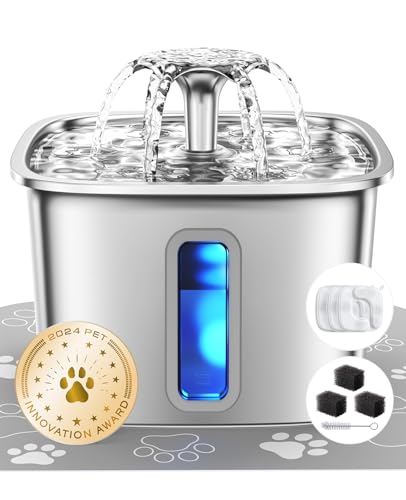
Veken Veken Stainless Steel Water Fountain
Circulating, filtered water that draws many cats to drink more

Fancy Feast Fancy Feast Senior 7+ Chicken Pate
High-moisture wet food that hydrates through meals, not the bowl
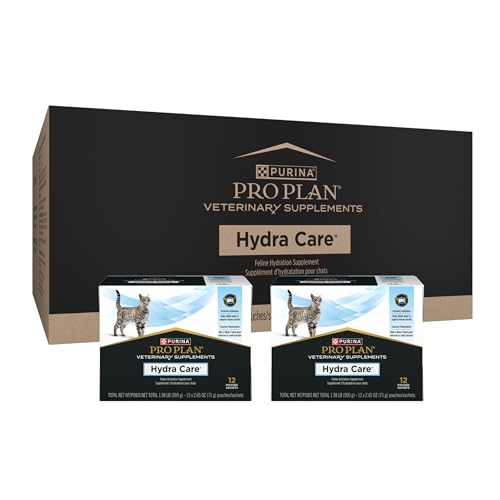
Pro Plan Purina Pro Plan Hydra Care
Nutrient-enriched water supplement to boost daily fluid intake

Cat Years Cat Years Lickable Hydration Booster
Squeezable treat that adds moisture for cats that snub the bowl
Build Water Into Food
The most reliable way to hydrate a cat that will not drink is to stop relying on the bowl. Wet food is roughly 75 to 80 percent water, so switching from kibble to canned food, or adding wet meals, raises intake dramatically without a fight. You can push it further by stirring a tablespoon or two of warm water into wet food to make a soupy meal, adding a splash of plain low-sodium broth for flavor, or softening kibble with warm water. Hydration supplements and lickable boosters add moisture too. To see exactly how much your cat needs each day by body weight, check the cat water intake chart.
Haven Pet Insurance for Senior Cats.Coverage for accidents, illness, and the chronic conditions that drive the biggest senior-cat vet bills (kidney disease, hyperthyroidism, diabetes). Get a fast, free quote using your cat’s breed, age, and zip, then see your monthly premium before you commit.Sponsored
Watch for the Two Opposite Warnings
Hydration trouble in seniors shows up in two very different ways, and both matter. A cat that drinks little and shows signs of dehydration, lethargy, sunken eyes, skin that stays tented when gently lifted, needs prompt care, especially if it is also off its food. But a sudden increase in thirst is just as important, because drinking far more than usual is a classic early sign of kidney disease, diabetes, or hyperthyroidism. Do not assume more drinking is simply success; a new spike in thirst belongs in a conversation with your vet.
When to See the Vet
| Sign | What it may mean |
|---|---|
| Not drinking plus not eating | Dehydration risk, needs prompt care |
| Lethargy or sunken eyes | Possible significant dehydration |
| Skin stays tented when lifted | Sign of fluid loss |
| Sudden increased thirst | Possible kidney disease, diabetes, thyroid |
| More frequent or large urination | Often paired with kidney or diabetes |
Hydration Quick Links
- Veken Stainless Steel Water Fountain - moving water cats often prefer
- Purina Pro Plan Hydra Care - nutrient-enriched water supplement
- Browse cat water fountains on Amazon
The Bottom Line
An old cat that ignores the water bowl is following its desert biology, made worse by the aches and dulled senses of age. Rather than coaxing a reluctant drinker, make water appealing with a fountain and fresh, whisker-friendly bowls, and build moisture into meals through wet food, added water, and hydration boosters. Keep an eye out for the two opposite warnings, dehydration and a sudden surge in thirst, since both can point to the kidney and metabolic diseases common in seniors. When in doubt, ask your vet.
Related Guides
- Dehydration in Senior Cats - Spotting and treating fluid loss.
- Best Water Fountains for Cats - Choosing a fountain your cat will use.
- Best Wet Food for Older Cats - The simplest way to raise water intake.
Senior Cat Wellness & Care Planner
Track your aging cat's health, meds, vet visits, mobility, nutrition, and quality of life, all in one printable planner.
Pet Insurance · Sponsored
Protect Your Senior Cat From Surprise Vet Bills
Older cats are more prone to kidney, dental, and thyroid trouble, and a single emergency visit can run into the hundreds or thousands. Pet insurance can help you say yes to the care your cat needs without draining your savings. Get a free quote and see what coverage fits.
Frequently Asked Questions
Why won't my old cat drink water?
Cats evolved from desert animals and have a naturally weak thirst drive, getting most of their water from prey, so many drink poorly from a bowl their whole lives. In older cats the problem deepens: a fading sense of smell and taste, dental pain, arthritis that makes bending to a low bowl uncomfortable, and dislike of stale or chlorinated water all reduce drinking. Some seniors also dislike whisker contact with narrow bowls. The fix is usually to make water more appealing and to build moisture into food rather than relying on the bowl.
How much water should a senior cat drink a day?
A rough guide is about 3.5 to 4.5 ounces of water per 5 pounds of body weight per day, from all sources combined, so a 10-pound cat needs roughly 7 to 9 ounces total. Cats on wet food get much of that from their meals, while kibble-only cats must drink nearly all of it, which they often fail to do. Rather than measuring exactly, watch for signs of good hydration and increased drinking or urination, and raise concerns about intake with your vet.
How can I get my senior cat to drink more water?
Make water more tempting and meals more moist. Offer a cat water fountain, since many cats prefer moving water, and place several bowls around the home in quiet, easy-to-reach spots. Use wide, shallow bowls so whiskers do not rub, refresh the water daily, and try filtered water. Most powerfully, feed wet food, which is roughly 75 to 80 percent water, and add a spoonful of water or low-sodium broth to meals. A hydration supplement or lickable booster can help too.
Is a water fountain better than a bowl for older cats?
For many cats, yes. Cats are often drawn to moving, oxygenated water, which tastes fresher than water sitting still in a bowl, and a fountain keeps water circulating and filtered. Plenty of older cats noticeably drink more once a fountain replaces a stagnant bowl. Choose a quiet model with a low-entry design so an arthritic cat can reach it comfortably, and clean it regularly so it stays appealing. That said, some cats ignore fountains, so keep a familiar bowl available too.
Can I add water or broth to my cat's food?
Yes, and it is one of the easiest ways to boost hydration. Stir a tablespoon or two of warm water into wet food to make a soupy meal, or add a little plain, low-sodium, onion-and-garlic-free broth for flavor. You can also soften kibble with warm water. Warming the mixture releases aroma that encourages eating and drinking together. This sneaks water in through food your cat already wants, which works far better than waiting for a poor drinker to visit the bowl.
When is not drinking a medical emergency?
Reduced drinking paired with signs of dehydration, lethargy, sunken eyes, skin that stays tented when gently lifted, or refusal to eat, warrants prompt veterinary care. So does a sudden change in the other direction: markedly increased thirst can signal kidney disease, diabetes, or hyperthyroidism in seniors. Any cat that is not drinking and also not eating, or seems weak or unwell, should be seen quickly, since dehydration worsens fast in older cats and often accompanies a treatable underlying disease.
Does increased thirst mean something different than decreased thirst?
Very much so, and both deserve attention. Decreased drinking in a cat that never drank much is often just feline biology made worse by age, and it responds to fountains and wet food. A noticeable increase in thirst, on the other hand, is a classic warning sign of kidney disease, diabetes, or hyperthyroidism, all common in older cats. If your senior cat suddenly drinks much more than usual, do not celebrate the hydration; mention it to your vet, because it frequently points to disease.
Need more help with your aging cat?
Browse our guides by topic to find practical solutions.
Wellness Planner: $39