Cat Water Intake Chart: How Much Water Should a Cat Drink?
Daily water needs for cats by body weight in ounces and ml, water from wet vs dry food, the too-much threshold, and dehydration checks for senior cats.
Quick answer: Cats need roughly 3.5 to 4.5 ounces of water per 5 pounds of body weight per day from all sources, so a 10-pound cat needs about 7 to 9 ounces (205 to 265 ml) total. Wet-fed cats get most of this from food and drink little; kibble-fed cats must drink nearly all of it. Drinking more than about 100 ml per kg per day (15 ounces for a 10-pound cat) is excessive and needs a vet visit.
Water intake is one of the most useful health signals a senior cat gives you, because the three most common senior diseases, chronic kidney disease, diabetes, and hyperthyroidism, all change thirst early. This chart gives the reference numbers by body weight. It is researched general guidance, not veterinary advice; if your cat's drinking has changed, that observation belongs at the vet's office along with bloodwork and a urine test.
Daily Water Needs by Body Weight
| Cat Weight | Daily Water Need (oz) | Daily Water Need (ml) | Excessive Intake Threshold* |
|---|---|---|---|
| 5 lb (2.3 kg) | 3.5 to 4.5 oz | 105 to 135 ml | Over 7.5 oz (225 ml) |
| 6 lb (2.7 kg) | 4 to 5.5 oz | 125 to 160 ml | Over 9 oz (270 ml) |
| 8 lb (3.6 kg) | 5.5 to 7 oz | 165 to 215 ml | Over 12 oz (365 ml) |
| 10 lb (4.5 kg) | 7 to 9 oz | 205 to 265 ml | Over 15 oz (455 ml) |
| 12 lb (5.4 kg) | 8.5 to 11 oz | 250 to 320 ml | Over 18.5 oz (545 ml) |
| 14 lb (6.4 kg) | 10 to 12.5 oz | 290 to 370 ml | Over 21.5 oz (635 ml) |
| 16 lb (7.3 kg) | 11 to 14.5 oz | 330 to 425 ml | Over 24.5 oz (725 ml) |
| 18 lb (8.2 kg) | 12.5 to 16 oz | 370 to 480 ml | Over 27.5 oz (815 ml) |
| 20 lb (9.1 kg) | 14 to 18 oz | 415 to 530 ml | Over 30.5 oz (905 ml) |
*The excessive threshold uses the standard veterinary polydipsia definition of about 100 ml per kg per day. Daily needs are total intake from all sources, food included, based on the common guideline of 3.5 to 4.5 ounces per 5 pounds of body weight. Needs rise in hot weather, on diuretics or steroids, and with some illnesses. Use your cat's lean target weight, not an obese current weight; the body condition score chart helps you judge.
How Much Water Comes From Food
| Food | Typical Moisture | Water Delivered per Serving |
|---|---|---|
| Wet pate, 3-oz can | 75 to 80% | About 2.2 oz (65 ml) |
| Wet pate, 5.5-oz can | 75 to 80% | About 4 oz (120 ml) |
| Gravy or broth pouch, 3 oz | 80 to 85% | About 2.5 oz (70 ml) |
| Dry kibble, 1/4 cup | About 10% | Under 0.1 oz (about 3 ml) |
| Water or broth mixed into food, per tablespoon | 100% | 0.5 oz (15 ml) |
The practical upshot: a 10-pound cat eating two 5.5-ounce cans a day takes in roughly 8 ounces of water at mealtimes and has already met most of its need before touching the bowl. The same cat on kibble alone gets almost nothing from food and must drink the full 7 to 9 ounces, which many cats simply fail to do. That gap is why chronic mild dehydration is so common in kibble-fed seniors and why vets lean on wet food for cats with kidney disease and constipation.
Quick Hydration Check at Home
| Check | Hydrated | Dehydrated |
|---|---|---|
| Skin tent over shoulders | Snaps back instantly | Returns slowly or stays tented |
| Gums | Wet and slick | Dry, sticky, or tacky |
| Eyes | Bright, normal position | Dull or sunken |
| Energy | Normal for your cat | Lethargic, withdrawn |
For a full walkthrough of the technique, see how to check if your cat is dehydrated and the deeper guide to dehydration in senior cats.
When to Call the Vet
- Drinking too much: intake at or beyond the excessive threshold in the chart, refilling the bowl more often, or new drinking from taps and toilets. Start with our guide to old cats drinking lots of water, then book bloodwork.
- Drinking too little: a sharp drop in intake, especially with poor appetite or vomiting. See old cat not drinking water for causes and fixes.
- Dehydration signs: a slow skin tent, tacky gums, or lethargy in a senior cat is a same-week problem, and same-day if the cat is not eating.
Proven Ways to Boost Drinking
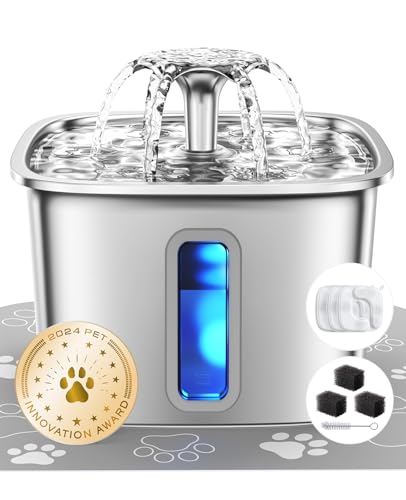
Veken Veken Stainless Steel Fountain 108oz
Large-capacity stainless fountain; moving water tempts reluctant drinkers.

PETLIBRO App-Monitoring Cat Water Fountain
Smart fountain that logs exactly how much your cat drinks each day.
Related Reading
- Best Water Fountains for Cats - Researched picks by material and capacity.
- Water Fountain vs Bowl - Which actually gets cats to drink more.
- Bone Broth for Senior Cats - A palatable way to add fluid to meals.
- Senior Cat Calorie Requirements Chart - The companion feeding reference.
Senior Cat Wellness & Care Planner
Track your aging cat's health, meds, vet visits, mobility, nutrition, and quality of life, all in one printable planner.
Pet Insurance · Sponsored
Protect Your Senior Cat From Surprise Vet Bills
Older cats are more prone to kidney, dental, and thyroid trouble, and a single emergency visit can run into the hundreds or thousands. Pet insurance can help you say yes to the care your cat needs without draining your savings. Get a free quote and see what coverage fits.
Frequently Asked Questions
How much water should a cat drink per day?
A rough guide is 3.5 to 4.5 ounces of water per 5 pounds of body weight per day from all sources combined, so a 10-pound cat needs about 7 to 9 ounces (roughly 205 to 265 ml) total. Cats on wet food get most of that from their meals and may visibly drink very little, while kibble-fed cats must drink nearly the full amount from the bowl. Watch trends and hydration signs rather than chasing an exact number.
How much water is too much for a cat?
Veterinarians define excessive drinking, called polydipsia, as more than about 100 ml per kilogram of body weight per day. For a 10-pound cat that is roughly 15 ounces, about two cups. Sustained drinking near or above that level is a classic early sign of chronic kidney disease, diabetes, or hyperthyroidism in senior cats and warrants a vet visit with bloodwork and a urine test, even if the cat seems fine otherwise.
Why is my cat drinking so little but acting normal?
If your cat eats mostly wet food, low visible drinking is usually normal. A 5.5-ounce can of pate is nearly 80 percent water and delivers around 4 ounces of it, so a wet-fed cat may meet most of its daily need at mealtimes and only sip occasionally. Concern rises when a kibble-fed cat barely drinks, when intake drops suddenly, or when low drinking comes with lethargy, poor appetite, or signs of dehydration.
How can I tell if my cat is dehydrated?
Gently lift the skin over the shoulder blades; in a hydrated cat it snaps back almost instantly, while in a dehydrated cat it settles slowly or stays tented. Check the gums too: they should be wet and slick, not dry or sticky. Sunken eyes, lethargy, and constipation are other clues. Senior cats dehydrate faster than young cats, so if you see these signs, call your vet rather than waiting.
How do I measure how much my cat actually drinks?
Fill the bowl or fountain from a measuring cup each morning, then measure what remains 24 hours later, keeping other water sources like dripping taps and toilets off limits during the test. Repeat for two or three days for a fair average, and count wet food toward total intake. In multi-cat homes, separate one cat with its own bowl for a day or use a smart fountain that logs drinking per visit.
Does wet food really count toward water intake?
Yes, heavily. Canned pate runs about 75 to 80 percent moisture, so a 3-ounce can contributes roughly 2.2 ounces of water and a 5.5-ounce can about 4 ounces. Dry kibble is only around 10 percent moisture and contributes almost nothing. This is why switching a senior cat toward wet food is one of the most effective hydration strategies, especially for cats with kidney disease or constipation.
How do I get an older cat to drink more water?
Add wet food or mix a little warm water or plain, low-sodium broth into meals, run a fountain since many cats prefer moving water, and offer several wide, shallow bowls away from the litter box. Keep bowls scrupulously clean and try different materials, since some cats avoid plastic. Elevating the bowl helps arthritic cats drink comfortably. If intake stays low despite this, ask your vet to check hydration.
Need more help with your aging cat?
Browse our guides by topic to find practical solutions.
Wellness Planner: $39