Cost of Hyperthyroidism Treatment in Cats
What feline hyperthyroidism really costs to treat, comparing methimazole, the y/d diet, radioactive iodine, and surgery, with monthly and lifetime totals.
Hyperthyroidism is one of the most common illnesses in cats over ten, and the good news is that it is very treatable. The harder question for most owners is which treatment to choose, because the four options differ enormously in how they are paid for. One is a daily pill that costs little each month but never ends. Another is a one-time procedure with a big upfront price that often cures the disease for good.
This guide breaks down what each path actually costs, from the initial diagnosis through monthly and lifetime totals, so you can weigh the trade-offs alongside your veterinarian. It is educational and meant to support, not replace, the plan your vet builds for your individual cat.
Helpful Tools for a Hyperthyroid Cat

Hill's Prescription Diet Prescription Diet y/d Thyroid Care Dry Food
Iodine-restricted diet that manages hyperthyroidism through food
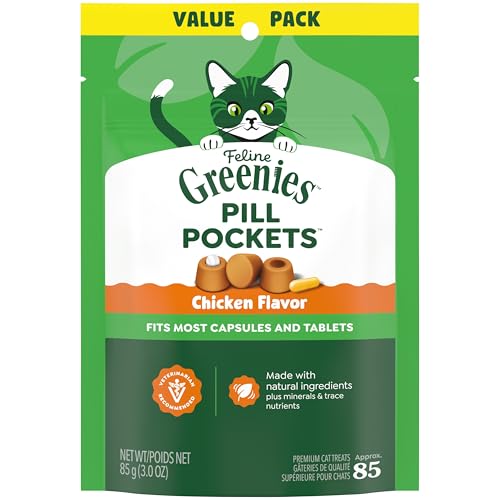
Greenies Feline Pill Pockets for Cats (Chicken)
Hides daily methimazole tablets in a tasty treat

TOMLYN High-Calorie Nutritional Gel for Cats
Helps a weight-losing hyperthyroid cat hold condition

YauYik Digital Pet Scale for Cats
Tracks weight at home to monitor treatment response
Haven Pet Insurance for Senior Cats.Coverage for accidents, illness, and the chronic conditions that drive the biggest senior-cat vet bills (kidney disease, hyperthyroidism, diabetes). Get a fast, free quote using your cat’s breed, age, and zip, then see your monthly premium before you commit.Sponsored
The Cost of Diagnosis
Hyperthyroidism is often caught when an owner notices weight loss despite a big appetite, increased thirst, restlessness, or a scruffy coat, or it turns up on routine senior bloodwork. Confirming it involves a few tests:
- Senior wellness exam: $60 to $120
- Blood panel with total T4: $150 to $300
- Follow-up free T4 or repeat test if borderline: $80 to $200
- Kidney values and blood pressure check: $50 to $150
A typical diagnosis workup lands between $250 and $600. Because an overactive thyroid can hide underlying kidney disease, your vet will often recheck kidney values once treatment begins, which is a normal and important part of the process.
The Four Treatment Options Compared
There are four established ways to treat feline hyperthyroidism. Two manage the disease day to day, and two can cure it outright. Here is how the costs compare.
| Option | Upfront cost | Ongoing cost | Curative? |
|---|---|---|---|
| Methimazole (daily medication) | Low | $20 to $50/mo + bloodwork | No |
| y/d prescription diet | Low | $40 to $80/mo + bloodwork | No |
| Radioactive iodine (I-131) | $1,200 to $2,500 | Minimal after recovery | Yes (about 95%) |
| Surgical thyroidectomy | $1,000 to $2,500 | Minimal if fully resolved | Yes |
Methimazole: $20 to $50 Per Month
Methimazole is a daily oral tablet, or a gel applied to the ear, that blocks thyroid hormone production. It is inexpensive per month and easy to start, which makes it the most common first step. The trade-offs are that it manages rather than cures, requires bloodwork every few months to keep the dose right, and must be given faithfully for life. Hiding the pill in a treat makes daily dosing far easier.
y/d Prescription Diet: $40 to $80 Per Month
Hill's y/d is an iodine-restricted food that controls the disease through diet alone, no pills required. It works well for cats who will eat it exclusively, but that is the catch: it only succeeds if your cat eats nothing else at all. In a multi-cat home, or with a cat who hunts or grazes elsewhere, keeping the diet strict can be difficult.
Reimbursement for thyroid meds, diet, and I-131.Coverage for accidents, illness, and the chronic conditions that drive the biggest senior-cat vet bills (kidney disease, hyperthyroidism, diabetes). Get a fast, free quote using your cat’s breed, age, and zip, then see your monthly premium before you commit.Sponsored
Radioactive Iodine (I-131): $1,200 to $2,500 Once
Radioactive iodine is widely considered the gold standard. A single injection destroys the overactive thyroid tissue and cures roughly 95 percent of treated cats, usually ending the need for medication and special food. The cost includes a few days of hospitalization at a licensed facility while your cat clears the radiation. The upfront price is high, but for a cat with years ahead it frequently costs less over a lifetime than daily medication.
Surgical Thyroidectomy: $1,000 to $2,500
Surgery removes the affected thyroid lobe and can be curative. It requires general anesthesia, which carries more risk in older cats, and a skilled surgeon to avoid damaging nearby glands. It is chosen less often than I-131 now, but it remains a valid curative option when radioactive iodine is not locally available.
Senior Cat Wellness & Care Planner
Track your aging cat's health, meds, vet visits, mobility, nutrition, and quality of life, all in one printable planner.
Monthly and Lifetime Totals
Spreading the costs out shows why the choice matters so much over time:
- Methimazole: roughly $500 to $900 the first year, then $400 to $800 every year for life
- y/d diet: similar to methimazole, often $550 to $1,000 per year for life
- Radioactive iodine: about $1,500 to $2,800 all in, mostly one-time
- Surgery: about $1,250 to $3,100 including diagnosis, mostly one-time
For a cat expected to live several more years, the curative options often work out cheaper overall, while a daily approach can make sense for a frail or very elderly cat. Fold these figures into your wider planning with our senior cat cost calculator.
How to Manage the Expense
- Weigh lifetime cost, not just the sticker price. A one-time I-131 treatment can beat years of daily medication.
- Ask about generic methimazole. Compounded or generic versions are often cheaper than brand-name.
- Track weight at home. Catching changes between vet visits helps your vet fine-tune the plan early.
- Stay current on bloodwork. Regular T4 and kidney rechecks prevent expensive complications.
- Check insurance status. If your cat was insured before the diagnosis, much of this may be reimbursable.
The Bottom Line
Feline hyperthyroidism is highly treatable, and the right choice comes down to your cat's age and overall health, your budget, and what is available near you. Daily methimazole or the y/d diet keeps upfront costs low but adds up over the years. Radioactive iodine costs more at once but cures most cats and often saves money over a full lifetime. Talk the options through with your veterinarian, and remember that catching the disease early keeps every path cheaper and your cat feeling better, sooner.
Related Guides
- Cost of Treating Kidney Disease in Cats - The other most common senior diagnosis, by the numbers.
- How Much Does Senior Cat Care Cost Per Month? - Where thyroid care fits in the bigger budget.
- Best Pet Insurance for Senior Cats - Why enrolling before diagnosis matters.
Pet Insurance · Sponsored
Protect Your Senior Cat From Surprise Vet Bills
Older cats are more prone to kidney, dental, and thyroid trouble, and a single emergency visit can run into the hundreds or thousands. Pet insurance can help you say yes to the care your cat needs without draining your savings. Get a free quote and see what coverage fits.
Frequently Asked Questions
How much does it cost to treat hyperthyroidism in cats?
It depends on the option you choose. Daily methimazole runs about $20 to $50 per month plus bloodwork, so $500 to $900 in the first year and similar amounts every year after. The prescription y/d diet is similar. Radioactive iodine, the curative option, costs $1,200 to $2,500 once but usually ends ongoing expense. Surgery runs $1,000 to $2,500. Add $250 to $600 for the initial diagnosis on top of any path you pick.
What does diagnosing feline hyperthyroidism cost?
Diagnosis usually starts with a senior exam and a blood panel that includes a total T4 thyroid level, which together run about $250 to $500. If the T4 is borderline, your vet may add a free T4 or a follow-up test for another $80 to $200. Because an overactive thyroid can mask or worsen kidney disease and high blood pressure, many vets also check those, adding $50 to $150. Catching it early keeps long-term costs lower.
Is methimazole or radioactive iodine cheaper for cats?
Methimazole is cheaper upfront but more expensive over a cat's remaining life because it is a daily medication with regular bloodwork that never ends. Radioactive iodine, or I-131, costs far more at once, typically $1,200 to $2,500, but it cures most cats in a single treatment and usually eliminates ongoing medication and diet costs. For a younger senior cat with years ahead, I-131 often costs less over time. For an older or frail cat, daily medication may make more sense.
How much is the y/d thyroid diet for cats?
Hill's Prescription Diet y/d is the iodine-restricted food that manages hyperthyroidism through diet alone. A 4-pound bag of the dry food runs roughly $40 to $50, and a case of the canned version is often $80 to $90. Most cats cost $40 to $80 per month to feed on y/d. The catch is that it only works if your cat eats nothing else, no treats, no other food, and no hunting, which is hard in multi-cat homes.
Does pet insurance cover hyperthyroidism in cats?
Only if you enrolled your cat before any thyroid signs appeared. Once hyperthyroidism is diagnosed, it becomes a pre-existing condition and is excluded from new policies. A cat insured while healthy can have the diagnosis, methimazole, bloodwork, the y/d diet in some plans, and even radioactive iodine reimbursed, which can offset a large share of the cost. This is why enrolling a senior cat early, before symptoms, matters so much.
What is the lifetime cost of treating a hyperthyroid cat?
Over a cat's remaining years, daily methimazole or the y/d diet commonly totals $3,000 to $6,000 once you add up monthly medication or food plus twice-yearly bloodwork. A one-time radioactive iodine treatment, by contrast, often totals $1,500 to $2,800 all in, since it usually ends the need for ongoing medication and special food. The longer a cat is expected to live after diagnosis, the more the curative options tend to save.
Can hyperthyroidism in cats be cured?
Yes, in most cases. Radioactive iodine therapy cures roughly 95 percent of treated cats with a single dose by destroying the overactive thyroid tissue, and surgical removal of the affected thyroid lobe is also curative. Methimazole and the y/d diet, by contrast, manage the condition rather than cure it: they control the symptoms only as long as you keep up the medication or the strict diet every single day.
Need more help with your aging cat?
Browse our guides by topic to find practical solutions.
Wellness Planner: $39