Best Senior Cat Food 2026: Wet and Kidney-Care Picks
Compare 6 senior cat foods for older cats, including 7+ wet diets and kidney-care options. Moisture, protein, palatability, and how to choose with your vet's help.
Feeding an older cat is one of the most important and most confusing parts of senior care. As cats age, their kidneys, teeth, appetite, and sense of smell all change, and the food that kept them thriving at six may not serve them at sixteen. The right senior diet supports hydration, preserves muscle, and stays appetizing enough that a fussy older cat actually eats it. The wrong one, or the right one for the wrong cat, can do real harm, which is why diet choices for seniors should always run through your veterinarian.
We compared widely available senior and therapeutic cat foods using ingredient and nutrient profiles, manufacturer formulation details, life-stage labeling, and patterns in verified owner reviews. We did not run feeding trials of our own. Below are six options that cover everyday senior wet food, kidney-care diets, and palatable toppers for picky eaters, followed by a comparison table and guidance on matching food to your cat.
Best Senior Cat Foods for 2026
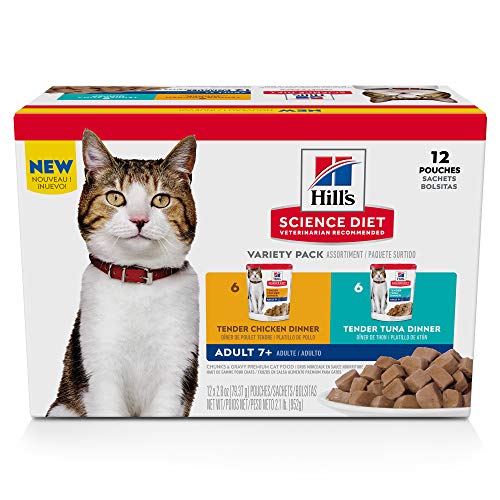
Hill's Science Diet Science Diet Adult 7+ Wet, Variety Pack
Easy-to-chew everyday wet food for mature cats, chicken and tuna, with balanced senior nutrition.

Hill's Prescription Diet Prescription Diet k/d Kidney Care
Vet-authorized therapeutic stew with controlled phosphorus for cats diagnosed with kidney disease.
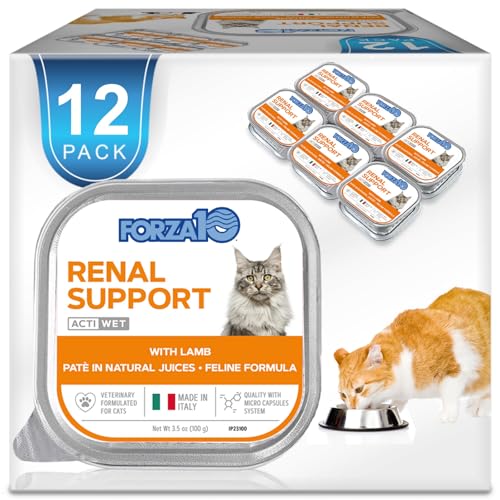
Forza10 Renal Wet Kidney Care Food
Vet-formulated renal wet food with lamb, non-GMO, made in Italy for kidney support.

Delectables Lickable Treat Stew Senior 15+
Hydrating, grain-free lickable topper with real chicken and tuna to tempt very senior eaters.

Hill's Science Diet Science Diet Urinary & Hairball Wet
Minced wet food supporting urinary health and hairball control in adult and senior cats.

Forza10 Kidney Support Food, Fish
Non-GMO kidney-support recipe with fish flavor, a smaller-bag option for trialing palatability.
How Do These Senior Cat Foods Compare?
| Food | Type | Prescription? | Best For |
|---|---|---|---|
| Science Diet Adult 7+ | Wet, everyday | No | Healthy mature cats |
| Prescription Diet k/d | Wet, therapeutic | Yes | Diagnosed kidney disease |
| Forza10 Renal Wet | Wet, renal support | No | Kidney support, vet-guided |
| Delectables Senior 15+ | Lickable topper | No | Picky or very old eaters |
| Science Diet Urinary | Wet, urinary | No | Urinary and hairball support |
| Forza10 Kidney Fish | Dry, renal support | No | Trialing kidney-support flavor |
How We Picked These Foods
This is a research-based roundup, not a feeding trial. We evaluated published ingredient panels and guaranteed analyses, manufacturer formulation notes, AAFCO life-stage statements, and the consistent themes in verified owner reviews, then weighed them against established feline nutrition priorities for older cats: adequate moisture, high-quality digestible protein to protect muscle, controlled phosphorus where kidney health is a concern, and strong palatability for fading appetites. We deliberately included both everyday senior wet foods and therapeutic kidney diets, because the single most important rule with senior nutrition is matching the food to the individual cat's diagnosis. We do not claim any of these is right for your specific cat. That decision belongs with your veterinarian.
A Closer Look at Each Food
Hill's Science Diet Adult 7+ Wet Variety Pack
For a generally healthy mature cat, this everyday wet food is an easy starting point. The soft, easy-to-chew texture suits aging teeth, the variety pack helps with cats who bore of one flavor, and the high moisture content supports hydration. It carries balanced nutrition aimed at the 7-plus life stage without the restrictions of a therapeutic diet, making it a sensible default while you and your vet monitor bloodwork over time.
Pros: Widely available, palatable, soft texture, good moisture, flavor variety.
Cons: Not formulated for cats with diagnosed kidney or urinary disease.
Hill's Prescription Diet k/d Kidney Care
Chronic kidney disease is one of the most common diagnoses in senior cats, and k/d is among the most established therapeutic renal diets. Its controlled phosphorus and adjusted protein are designed to reduce kidney workload and support quality of life in diagnosed cats. It requires veterinary authorization, which is exactly as it should be: this food belongs only with cats your vet has diagnosed and is monitoring. The stew texture and aroma also help with the reduced appetite that often accompanies kidney disease.
Pros: Clinically formulated renal support, palatable stew, trusted by vets.
Cons: Requires a prescription; higher cost; not for healthy cats.
Forza10 Renal Wet Kidney Care
This non-prescription renal-support wet food is a useful middle option for owners working with their vet on milder kidney support or seeking an additional flavor for a diagnosed cat. It is vet-formulated with controlled minerals, uses a single novel protein in the lamb recipe, and is non-GMO. As with any kidney-support food, use it under veterinary guidance rather than self-prescribing, but it can add welcome variety to a renal feeding plan.
Pros: No prescription needed, novel-protein recipe, good moisture, palatable.
Cons: Pricier per ounce; still should be used with vet guidance.
Delectables Lickable Treat Stew Senior 15+
For the very old or stubbornly picky cat, this lickable topper is a practical tool rather than a complete diet. Warmed slightly and offered over or alongside regular food, the hydrating, grain-free stew can coax a reluctant senior to start eating, and the extra moisture is a bonus for kidney-prone cats. Treat it as a supplement and appetite aid, not a meal replacement, and keep the bulk of calories coming from a complete and balanced food.
Pros: Excellent palatability, adds hydration, great for tempting picky seniors.
Cons: A topper or treat, not a complete diet; can spoil appetite for balanced food if overused.
Hill's Science Diet Urinary & Hairball Control Wet
Urinary issues and hairballs are both common annoyances in older cats, and this minced wet food targets both while supplying good moisture. It suits a senior without diagnosed kidney disease who needs general urinary support and struggles with grooming-related hairballs. As always, persistent urinary signs such as straining or blood warrant a vet visit rather than food changes alone.
Pros: Dual urinary and hairball support, good moisture, soft minced texture.
Cons: Not a substitute for veterinary care of urinary disease.
Forza10 Kidney Support Fish
This smaller-bag kidney-support recipe is handy for trialing palatability before committing to a larger purchase, which matters because cats can be opinionated about renal foods. The fish flavor often appeals to cats that turn up their nose at other recipes. Use it as part of a vet-guided kidney plan, and watch that your cat actually eats enough, since the best renal food is the one your cat will reliably consume.
Pros: Small trial size, appealing fish flavor, non-GMO kidney support.
Cons: Dry format offers less moisture than wet; best paired with water-rich foods.
Haven Pet Insurance for Senior Cats.Coverage for accidents, illness, and the chronic conditions that drive the biggest senior-cat vet bills (kidney disease, hyperthyroidism, diabetes). Get a fast, free quote using your cat’s breed, age, and zip, then see your monthly premium before you commit.Sponsored
How to Choose Food for Your Senior Cat
- Start with bloodwork. Kidney values, thyroid levels, and weight trends should drive the diet. Annual or twice-yearly labs guide the choice far better than the age on the bag.
- Prioritize moisture. Wet food or added water helps hydration, which protects kidneys and urinary health.
- Protect muscle. Healthy seniors need ample high-quality protein. Restrict protein only when a diagnosis calls for it, under vet direction.
- Make it appealing. Warm the food, offer small frequent meals, and use toppers to keep a fading appetite engaged.
- Transition slowly. Change foods over 7 to 10 days to avoid digestive upset and food rejection.
Any senior cat that stops eating, loses weight, or drinks and urinates noticeably more needs prompt veterinary attention. This guide is educational and complements, but does not replace, individualized advice from your veterinarian.
Senior Cat Wellness & Care Planner
Track your aging cat's health, meds, vet visits, mobility, nutrition, and quality of life, all in one printable planner.
Related Senior Cat Guides
Pet Insurance · Sponsored
Protect Your Senior Cat From Surprise Vet Bills
Older cats are more prone to kidney, dental, and thyroid trouble, and a single emergency visit can run into the hundreds or thousands. Pet insurance can help you say yes to the care your cat needs without draining your savings. Get a free quote and see what coverage fits.
Frequently Asked Questions
When should I switch my cat to senior food?
Most cats are considered mature at 7 and senior around 11, and many foods labeled 7+ or 11+ are formulated for these life stages. There is no single switch-over age, because the right diet depends on your individual cat's health, weight, and lab work rather than a number on the bag. The best approach is to discuss your cat's body condition and bloodwork with your veterinarian at the annual or twice-yearly visit, then choose a food that matches their needs. Always transition gradually over 7 to 10 days to avoid stomach upset.
Is wet food better than dry food for older cats?
Wet food has real advantages for many seniors. Its high moisture content supports hydration, which is valuable for cats prone to kidney disease and urinary issues, and the soft texture is easier on aging teeth and gums. Wet food is also typically more palatable, which helps when a senior's appetite or sense of smell fades. That said, some cats do well on a mix, and dry food has its place. The most important thing is that your cat keeps eating enough of a complete, balanced diet. Your veterinarian can help you balance moisture, calories, and palatability.
What is a renal or kidney-care cat food?
Kidney-care or renal diets are formulated with controlled phosphorus and adjusted, high-quality protein to reduce the workload on compromised kidneys, a very common problem in older cats. Therapeutic prescription versions, such as Hill's Prescription Diet k/d, require veterinary authorization and are intended for cats already diagnosed with chronic kidney disease. There are also non-prescription kidney-support foods for milder support. Never put a healthy cat on a restricted renal diet without veterinary guidance, since the wrong diet for the wrong cat can do harm.
My senior cat is losing weight. Should I change food?
Unexplained weight loss in an older cat is a medical red flag, not just a food problem. Hyperthyroidism, kidney disease, diabetes, dental pain, and other conditions all cause weight loss and need a veterinary workup first. Once your vet identifies the cause, the right diet follows from the diagnosis. In the meantime, a highly palatable, calorie-dense senior wet food can help maintain weight, and warming the food slightly often boosts appetite. Do not assume a thin senior simply needs more food without ruling out underlying disease.
How do I get a picky senior cat to eat?
Aging dulls smell and taste, so seniors often become fussier. Warming wet food to body temperature releases aroma and frequently restores interest. Offer small, fresh portions several times a day rather than one large bowl, and try a variety of textures and flavors to find what appeals. Lickable treats and food toppers can tempt a reluctant eater and add hydration. If your cat refuses food for more than a day or two, contact your veterinarian promptly, because cats that stop eating can develop serious liver complications quickly.
Do senior cats need more or less protein?
Healthy senior cats generally need plenty of high-quality, digestible protein to preserve muscle mass, which they tend to lose with age. The old idea that all old cats need low protein has largely been set aside for cats without specific disease. Cats with diagnosed kidney disease are a different case and may need controlled, carefully chosen protein under veterinary direction. Because the answer depends on your cat's kidney values and overall health, base protein decisions on your vet's reading of current bloodwork rather than general rules.
Need more help with your aging cat?
Browse our guides by topic to find practical solutions.
Wellness Planner: $39